
For guitar builders, the choice of tonewood is paramount. The wood’s density, stiffness, and resonance characteristics dramatically influence the instrument’s sound. Cherry tonewood guitar options have gained popularity, and we will explore why.
This guide will cover the properties of cherry, its sonic characteristics, workability, and how it compares to other popular tonewoods. Whether you’re a seasoned luthier or a hobbyist, understanding cherry wood properties can help you make informed decisions about your next build.
Let’s examine the qualities that make cherry a viable option for crafting beautiful and sonically pleasing guitars. We’ll also explore where to source it and how to ensure you’re getting the best quality for your project.
What Makes Cherry a Suitable Tonewood?
Cherry, specifically black cherry (Prunus serotina), possesses several qualities that make it a contender in the tonewood arena. Its moderate density and relatively straight grain contribute to its stability and predictable behavior during the construction process.
Unlike some softer woods, cherry offers sufficient hardness to withstand the stresses of string tension, making it suitable for various parts of the guitar. Another advantage is its availability, as cherry trees are common in North America, making it a more sustainable and cost-effective option compared to some exotic tonewoods.
Cherry’s workability is another factor in its favor. It machines well, glues reliably, and accepts finishes readily, making it a user-friendly choice for luthiers of all skill levels.
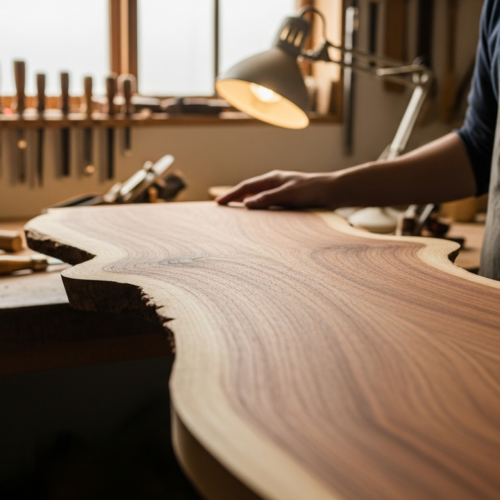
The aesthetic appeal of cherry also contributes to its desirability. The wood’s warm reddish-brown hue deepens with age and exposure to light, resulting in a visually attractive instrument.
Furthermore, cherry’s consistent grain structure helps in achieving a uniform sound across the instrument. This consistency is crucial for creating a balanced tonal response. It is easy to find cherry that is free of significant knots or defects, further increasing its appeal.
The wood’s ability to hold screws and other fasteners well is also a plus. This is important for ensuring the long-term structural integrity of the guitar.
Cherry’s versatility allows it to be used in different guitar styles, from acoustic to electric. This wide range of applications makes it an attractive choice for builders working on diverse projects.
Finally, the relatively fast growth rate of cherry trees makes it a more environmentally responsible choice compared to some slow-growing hardwoods. This sustainability aspect is increasingly important to both builders and players.
The Sound Profile of Cherry in Guitars
The sonic characteristics of cherry tonewood guitar are often described as being somewhere between maple and mahogany. It delivers a balanced tone with a clear midrange, good projection, and a warmth that avoids muddiness.
Compared to brighter tonewoods like maple, cherry offers a slightly warmer and rounder sound. Compared to darker tonewoods like mahogany, it provides more clarity and articulation.
Many luthiers find that cherry’s tonal properties make it a versatile choice for a wide range of musical styles. It works well for fingerstyle playing, strumming, and flatpicking, accommodating various playing techniques.
The responsiveness of cherry is also noteworthy. It reacts well to changes in playing dynamics, allowing for nuanced expression and tonal control.
The balanced nature of cherry makes it particularly suitable for players seeking a versatile instrument. It can handle a wide range of genres without sounding overly bright or muddy.
Cherry’s ability to project sound effectively ensures that the guitar’s voice carries well in both live and recording situations. This is an important consideration for performing musicians.
The clear midrange response of cherry helps to define individual notes, making it ideal for complex chord voicings and intricate melodies. This clarity enhances the overall sonic definition of the instrument.
Ultimately, the sound profile of cherry in guitars offers a compelling blend of warmth, clarity, and versatility. This makes it an excellent choice for players seeking a well-rounded and adaptable instrument.
Workability and Finishing of Cherry Tonewood
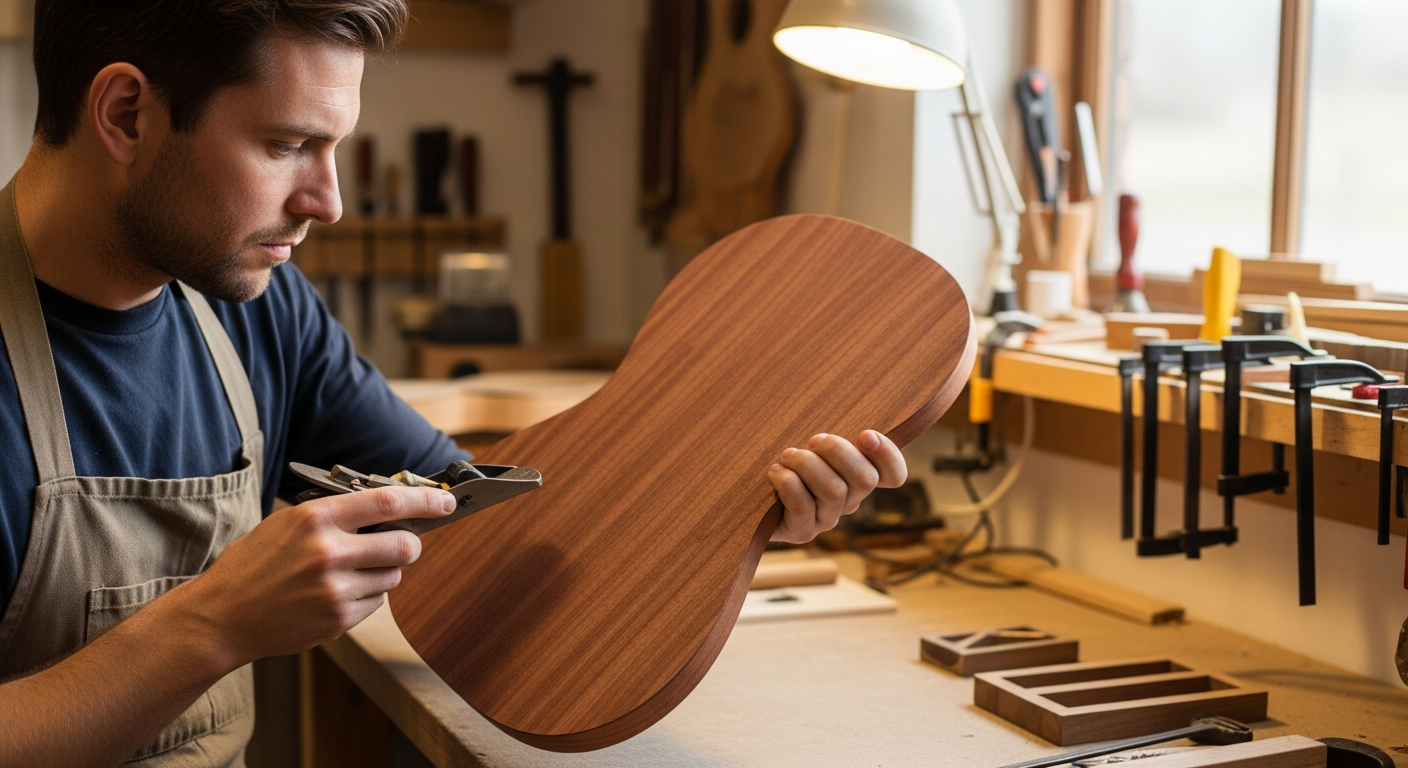
Cherry is generally considered an easy wood to work with, which is a significant advantage for luthiers. It cuts cleanly with minimal tear-out, and its even texture allows for smooth shaping and carving.
The wood glues well with common woodworking adhesives, creating strong and reliable joints. Cherry also sands easily to a smooth surface, providing an excellent base for finishing.
| Property | Cherry | Mahogany | Maple |
|---|---|---|---|
| Workability | Excellent | Good | Good to Difficult |
| Gluing | Excellent | Good | Good |
| Finishing | Excellent | Good | Good |
| Stability | Good | Good | Excellent |
Cherry accepts a wide range of finishes, including lacquer, varnish, and oil-based products. It stains evenly, allowing luthiers to achieve different aesthetic effects, from natural finishes that showcase the wood’s grain to darker, more dramatic tones.
One thing to keep in mind is that cherry is photosensitive and will darken over time when exposed to light. This is a desirable characteristic for many, as it enhances the wood’s richness and depth, but it’s essential to be aware of this when selecting a finish and planning the instrument’s overall look.
The ease of workability translates to reduced labor time and fewer complications during the building process. This is especially beneficial for beginner luthiers.
The smooth surface achieved through sanding allows for a flawless finish application. This enhances the visual appeal and protects the wood from moisture and damage.
The darkening effect of cherry over time adds character and depth to the instrument’s appearance. This natural aging process contributes to the guitar’s unique beauty.
The ability to achieve different aesthetic effects through staining allows luthiers to customize the guitar’s look to meet specific player preferences. This flexibility is a valuable asset in guitar building.
Comparing Cherry to Other Tonewoods
When considering cherry for a guitar build, it’s helpful to compare it to other popular tonewoods like mahogany, maple, and rosewood. Each of these woods has distinct sonic and physical properties that influence the instrument’s overall character.
Mahogany is known for its warm, balanced tone with a strong midrange. It’s a popular choice for backs and sides, offering a focused sound with good sustain.
Maple, on the other hand, is brighter and more articulate than mahogany. It provides a clear, transparent sound with excellent projection, making it suitable for instruments that need to cut through a mix.
Rosewood offers a complex, rich sound with deep bass and shimmering highs. It’s often used for backs and sides to add warmth and sustain to the instrument’s tone.
Cherry falls somewhere in between these tonewoods, offering a balance of warmth, clarity, and projection. It doesn’t have the strong midrange of mahogany, the brightness of maple, or the complexity of rosewood, but it provides a versatile and pleasing sound that works well in various applications.
Compared to koa, cherry offers a more consistent tonal response. Koa can be highly variable, while cherry is generally more predictable.
Compared to walnut, cherry is typically lighter in color and weight. Walnut tends to be darker and denser, resulting in a different sonic character.
The balanced nature of cherry makes it a good alternative for players who find mahogany too warm or maple too bright. It offers a middle ground that appeals to a wide range of musical tastes.
Ultimately, the choice between cherry and other tonewoods depends on the desired sonic characteristics and aesthetic preferences. Each wood offers a unique combination of properties that contribute to the instrument’s overall character.
Common Uses of Cherry in Guitar Construction
Cherry can be used in various parts of a guitar, depending on the desired tonal and aesthetic qualities. It’s often used for backs and sides, providing a balanced sound with good projection and warmth.
Some luthiers also use cherry for necks, valuing its stability and comfortable feel. Its moderate density provides sufficient stiffness to support the string tension, while its smooth texture makes it pleasant to play.
Cherry is occasionally used for guitar tops, although it’s less common than spruce or cedar. When used as a top wood, cherry provides a balanced sound with good clarity and responsiveness.
It’s also aesthetically pleasing, adding a touch of warmth and elegance to the instrument’s appearance. Some builders use cherry for decorative elements, such as headstock overlays, bindings, and purflings, adding visual interest and character to the guitar.
Using cherry for the neck can contribute to a smooth and comfortable playing experience. The wood’s density and stability help to maintain proper neck alignment.
As a top wood, cherry can offer a unique alternative to the more common spruce or cedar. It provides a distinct tonal character that some players may find appealing.
The versatility of cherry allows luthiers to experiment with different combinations of tonewoods. This can lead to innovative and unique sounding instruments.
The aesthetic appeal of cherry makes it a popular choice for custom guitar builds. Players often appreciate the wood’s warm color and attractive grain patterns.
Sourcing and Grading Cherry Tonewood
When sourcing cherry tonewood for guitar building, it’s essential to find a reputable supplier who understands the specific needs of luthiers. Look for suppliers who specialize in tonewoods and can provide detailed information about the wood’s origin, grading, and drying process.
The grading of cherry tonewood typically considers factors such as grain orientation, figure, and freedom from defects. Straight, tight grain is generally preferred for structural stability and even tonal response.
- Look for quarter-sawn wood for stability
- Ensure the wood is properly dried
- Check for knots and blemishes
- Consider the wood’s figure
- Buy from a reputable supplier
Figure, such as flame or curl, can add visual appeal but may also affect the wood’s tonal properties. It’s crucial to ensure that the wood is properly dried to the appropriate moisture content for guitar building.
Kiln-dried wood is generally preferred, as it offers more consistent and predictable behavior than air-dried wood. Carefully inspect the wood for any defects, such as knots, cracks, or insect damage, that could compromise its structural integrity or tonal quality.
Establishing a relationship with a reliable supplier can ensure a consistent supply of high-quality cherry tonewood. This is crucial for luthiers who build guitars on a regular basis.
Understanding the grading system used by the supplier can help you select the right wood for your specific project. This ensures that you get the desired quality and appearance.
Properly dried wood is essential for preventing warping, cracking, and other problems that can affect the guitar’s playability and sound. Always verify the moisture content before using the wood.
Inspecting the wood for defects can save you time and money in the long run. It’s better to identify problems before you start building the guitar.
Cherry Wood Properties: Density, Hardness, and Stability
Understanding cherry wood properties is key to predicting how it will perform in a guitar. Cherry’s density is moderate, typically ranging from 33 to 37 pounds per cubic foot.
This places it between softer woods like cedar and harder woods like maple. Its hardness is also moderate, providing a good balance of workability and durability.
Cherry’s stability is generally good, meaning it resists warping and twisting with changes in humidity. However, it’s still essential to properly dry and acclimate the wood before using it in a guitar build.
The wood’s dimensional stability contributes to the instrument’s longevity and consistent performance. The cherry wood properties combine to offer a reliable choice for various guitar components.
The moderate density of cherry contributes to its balanced tonal characteristics. It allows for good projection without being overly bright or harsh.
The hardness of cherry ensures that it can withstand the stresses of string tension and regular use. This is important for the long-term durability of the guitar.
Proper acclimation of the wood to the local climate is crucial for preventing problems caused by changes in humidity. This helps to maintain the guitar’s structural integrity and playability.
Understanding these properties allows luthiers to make informed decisions about how to use cherry in their guitar builds. This leads to better sounding and more durable instruments.
Cherry Guitar Sound: A Detailed Analysis
The cherry guitar sound is often described as warm, clear, and balanced. It has a pleasant midrange that avoids muddiness, and its projection is generally good.
Compared to mahogany, cherry offers more clarity and articulation. Compared to maple, it provides more warmth and roundness.
The cherry guitar sound is versatile and works well for various playing styles, from fingerstyle to strumming to flatpicking. Its responsiveness to changes in playing dynamics allows for nuanced expression and tonal control.
The sustain of a cherry guitar is typically moderate, providing a good balance between note clarity and resonance. Overall, the cherry guitar sound offers a pleasing and adaptable tonal palette for musicians.
The balanced frequency response of cherry makes it suitable for a wide range of musical genres. It can handle everything from delicate fingerpicking to aggressive strumming.
The clarity of the cherry guitar sound ensures that individual notes are well-defined, even in complex chords. This is important for creating a clear and articulate sound.
The responsiveness of cherry allows players to easily control the dynamics of their playing. This makes it possible to create a wide range of expressive sounds.
The moderate sustain of a cherry guitar provides a good balance between note clarity and resonance. This allows for both articulate playing and sustained notes.
Tips for Working with Cherry Tonewood
When working with cherry tonewood, there are a few tips to keep in mind to ensure the best results. First, always use sharp tools to prevent tear-out and achieve clean cuts.
Cherry can be prone to burning when routing or sanding, so use light passes and avoid excessive heat. When gluing cherry, be sure to use a high-quality wood glue and clamp the pieces firmly to ensure a strong bond.
Cherry accepts stain and finish well, but it’s always a good idea to test the finish on a small area first to ensure the desired color and effect. Because cherry darkens over time, consider this when choosing a finish and planning the instrument’s overall look.
Proper preparation and careful technique will help you achieve beautiful and professional-looking results with cherry tonewood. Following these tips will ensure a smooth and successful building process.
Using sharp tools will not only prevent tear-out but also make the work easier and more enjoyable. Dull tools can be frustrating and lead to mistakes.
Avoiding excessive heat when routing or sanding will prevent burning and ensure a smooth surface. Take your time and use light passes.
Clamping the pieces firmly when gluing will ensure a strong and durable bond. Use high-quality wood glue for the best results.
Testing the finish on a small area first will help you avoid unwanted surprises. This is especially important with cherry, as it darkens over time.
Conclusion
Cherry is a viable and attractive option for guitar building, offering a balance of tonal qualities, workability, and aesthetic appeal. Its moderate density, stability, and ease of finishing make it a user-friendly choice for luthiers of all skill levels.
The cherry tonewood guitar delivers a balanced sound with good projection, clarity, and warmth, making it suitable for various musical styles. By understanding cherry wood properties and following best practices for sourcing and working with the wood, you can create beautiful and sonically pleasing instruments that will be cherished for years to come.
The versatility of cherry makes it a valuable addition to any luthier’s tonewood palette. Its unique combination of properties offers a compelling alternative to more traditional choices.
As more luthiers and players discover the benefits of cherry, it is likely to become an increasingly popular choice for guitar building. Its sustainable sourcing and attractive qualities make it a wood of the future.