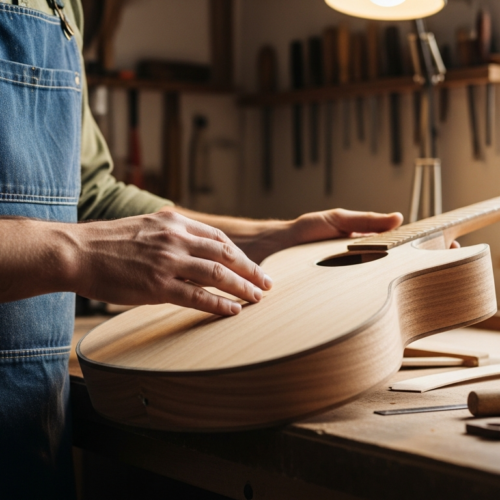

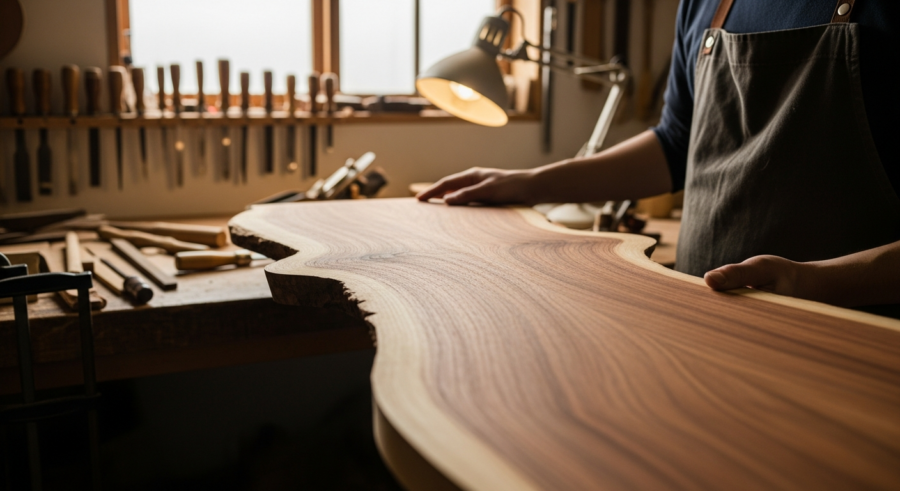
Mahogany has long been a favorite among luthiers for its balanced tonal properties and workability. However, concerns about sustainability and availability have prompted many to seek mahogany alternatives guitar. This article explores several excellent domestic tonewood options that offer similar characteristics while promoting responsible sourcing.
Discover how woods like cherry, walnut, and alder can provide the sonic qualities you desire. We’ll discuss their tonal profiles, workability, cost, and where to find sustainable domestic guitar woods.
Whether you’re a seasoned luthier or a hobbyist, understanding these mahogany substitute options will expand your palette. You can make environmentally conscious choices without compromising the quality of your instruments.
Why Look for Alternatives to Mahogany?
Mahogany’s popularity in guitar making is well-deserved, providing a warm, resonant tone with good sustain. Its consistent density and stability make it easy to work with, shaping beautifully and holding its form over time.
However, the high demand for genuine mahogany has led to over-harvesting and illegal logging in many regions. This has raised significant environmental concerns, threatening biodiversity and contributing to deforestation in sensitive ecosystems.
The dwindling supply of legally and sustainably sourced mahogany has also driven up its cost, making it less accessible for many luthiers. As a result, finding viable and ethical mahogany alternatives is becoming increasingly important for the future of guitar making.
Choosing sustainable tonewoods supports responsible forestry practices. It helps ensure the long-term health of our forests, benefiting both the environment and the communities that depend on them.
The environmental impact of unsustainable logging is far-reaching. It affects not only the immediate forest ecosystem but also contributes to climate change and habitat loss for countless species.
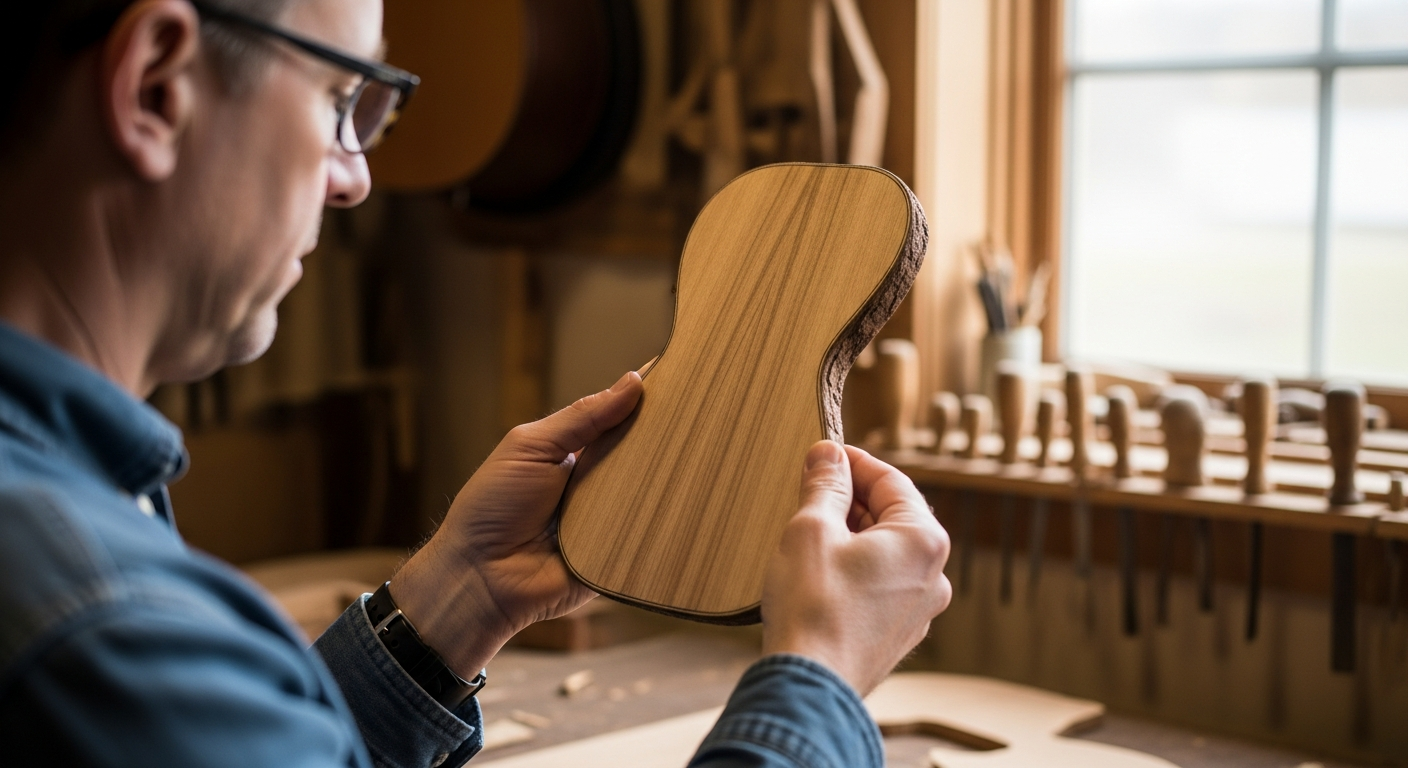
Moreover, the ethical implications of using illegally logged mahogany cannot be ignored. Supporting responsible sourcing ensures that the wood used in your instruments does not contribute to exploitation or environmental destruction.
Beyond the environmental and ethical considerations, the rising cost of mahogany can significantly impact the affordability of guitars. By exploring alternatives, luthiers can offer instruments at a wider range of price points.
This allows more musicians to access quality instruments without compromising on tone or construction. It’s a win-win situation for both luthiers and players.
Ultimately, the decision to seek mahogany alternatives is a responsible and forward-thinking one. It demonstrates a commitment to sustainability, ethical sourcing, and accessibility in the world of guitar making.
By embracing these alternatives, luthiers can help shape a more sustainable future for the craft.
Cherry as a Mahogany Substitute: Sound and Workability
Cherry is a fantastic domestic tonewood that many luthiers are turning to as a mahogany substitute. It offers a balanced tonal profile, falling sonically between maple and mahogany, making it versatile for various guitar styles.
Cherry tends to have a bright, clear tone with a warm midrange and good sustain, providing a pleasing blend of clarity and warmth. Guitars made with cherry often exhibit a focused sound with articulate note definition, making them suitable for both strumming and fingerstyle playing.
In terms of workability, cherry is generally easy to machine and shape, similar to mahogany. It sands smoothly and takes finishes well, allowing for beautiful aesthetics and a professional appearance.
One thing to note is that cherry can sometimes have a slightly higher moisture content than mahogany, so proper drying is essential to prevent warping or cracking. However, with proper preparation, cherry is a joy to work with and can produce stunning instruments.
The visual appearance of cherry is also highly desirable. It boasts a rich, reddish-brown hue that deepens with age and exposure to light, creating a beautiful patina.
This aesthetic appeal makes cherry a popular choice for guitars where visual beauty is a priority. The grain patterns in cherry can also be quite attractive, adding to the overall visual appeal of the instrument.
From a luthier’s perspective, cherry’s consistent density contributes to predictable and reliable results during the construction process. This predictability is crucial for achieving consistent tonal qualities across multiple instruments.
Furthermore, cherry’s ability to bend well makes it suitable for constructing guitar sides, which require precise shaping and contouring. The wood’s flexibility allows for intricate designs and comfortable playing ergonomics.
Overall, cherry presents a compelling alternative to mahogany, offering a combination of pleasing tonal characteristics, excellent workability, and attractive aesthetics. Its sustainability and domestic availability further enhance its appeal for environmentally conscious luthiers.
Walnut as a Mahogany Substitute: Sound and Workability
Walnut is another excellent domestic tonewood that offers a unique tonal character and appealing aesthetic. It is known for its warm, rich sound with a strong emphasis on the lower midrange frequencies.
Walnut guitars often have a deep, resonant voice with a slightly darker tone than mahogany, providing a full and balanced sound. This makes walnut particularly well-suited for instruments where warmth and depth are desired, such as acoustic guitars used for blues or fingerstyle playing.
| Tonewood | Tonal Characteristics | Workability | Typical Uses |
|---|---|---|---|
| Cherry | Balanced, bright with warm midrange | Easy to machine and shape | Acoustic guitars, electric guitar bodies |
| Walnut | Warm, rich with strong low-midrange | Good, but can be brittle | Acoustic guitars, bass guitars |
| Alder | Balanced, clear with strong upper-midrange | Very easy to work with | Electric guitar bodies |
| Mahogany | Warm, resonant with good sustain | Consistent, easy to shape | Acoustic guitars, electric guitar bodies and necks |
Walnut is generally considered to have good workability, although it can be slightly more brittle than mahogany. It is important to use sharp tools and take care when bending or shaping walnut to avoid chipping or cracking.
The aesthetic qualities of walnut are also highly prized. Its dark, chocolate-brown color and intricate grain patterns create a visually stunning appearance.
Walnut’s natural beauty makes it a popular choice for instruments where aesthetics are a primary consideration. The wood’s rich color and unique grain variations add character and visual interest to any guitar.
From a tonal perspective, walnut’s strong low-midrange response contributes to a warm and full sound. This makes it particularly well-suited for instruments used in genres like blues, jazz, and fingerstyle acoustic music.
The wood’s ability to produce a deep, resonant tone also makes it a popular choice for bass guitars. Walnut’s density and sustain contribute to a powerful and articulate bass response.
While walnut may require a bit more care during the construction process due to its potential brittleness, the resulting instrument is well worth the effort. Its unique tonal character and striking aesthetics make it a truly exceptional tonewood.
Ultimately, walnut offers a compelling alternative to mahogany, providing a warm, rich sound and a visually stunning appearance. Its sustainability and domestic availability further enhance its appeal for environmentally conscious luthiers.
Alder as a Mahogany Substitute: Sound and Workability
Alder is a popular tonewood, particularly for electric guitars, and can also serve as a mahogany substitute in certain applications. It is known for its balanced, clear tone with a strong emphasis on the upper-midrange frequencies.
Alder guitars often have a bright, articulate sound with good clarity and definition, making them versatile for various playing styles. While it may not have the same warmth and resonance as mahogany, alder offers a focused and responsive tone that works well in many musical contexts.
One of the main advantages of alder is its exceptional workability. It is very easy to machine, shape, and sand, making it a favorite among luthiers of all skill levels.
Alder also takes finishes well, allowing for a wide range of aesthetic options. While it may not be a direct tonal replacement for mahogany in all cases, alder’s versatility and ease of use make it a valuable option to consider.
Alder’s lightweight nature is another significant advantage, especially for electric guitars. This can result in instruments that are more comfortable to play for extended periods.
The wood’s consistent density also contributes to predictable tonal characteristics. This consistency is crucial for achieving reliable and repeatable results in guitar construction.
From a tonal perspective, alder’s emphasis on the upper-midrange frequencies provides clarity and articulation. This makes it particularly well-suited for genres like rock, blues, and pop, where a clear and defined tone is essential.
Alder’s responsiveness also allows for excellent dynamic control, enabling players to express a wide range of emotions and nuances in their playing. The wood’s sensitivity to touch makes it a favorite among experienced guitarists.
While alder may not possess the same warmth and resonance as mahogany, its unique tonal characteristics and exceptional workability make it a valuable alternative. Its sustainability and domestic availability further enhance its appeal for environmentally conscious luthiers.
Ultimately, alder offers a versatile and reliable option for guitar construction, providing a balanced tone, excellent workability, and comfortable playing experience.
Comparing the Cost and Availability
When considering mahogany alternatives guitar, cost and availability are essential factors. Genuine mahogany, especially high-quality, sustainably sourced varieties, can be quite expensive due to its scarcity and import costs.
Domestic tonewoods like cherry, walnut, and alder are generally more affordable and readily available in North America. This is because they are locally sourced, reducing transportation costs and supporting local economies.
The specific cost of each wood will vary depending on factors such as grade, thickness, and supplier. However, in most cases, you can expect to save money by choosing domestic tonewoods over imported mahogany.
Availability can also be a significant advantage, as domestic tonewoods are less likely to be subject to import restrictions or supply chain disruptions. This ensures a more consistent and reliable source of materials for your luthierie projects.
The reduced transportation costs associated with domestic tonewoods also contribute to a smaller carbon footprint. This aligns with the growing demand for environmentally responsible products and practices.
Supporting local economies by purchasing domestic tonewoods also creates jobs and strengthens communities. This contributes to a more sustainable and equitable economic system.
The consistent availability of domestic tonewoods allows luthiers to plan their projects with greater confidence. This reduces the risk of delays and ensures a smoother production process.
Furthermore, the affordability of domestic tonewoods makes guitar making more accessible to hobbyists and small-scale luthiers. This fosters creativity and innovation within the craft.
Ultimately, the cost and availability advantages of domestic tonewoods make them a compelling choice for luthiers seeking sustainable and economical alternatives to mahogany. This benefits both the environment and the craft of guitar making.
Finding Sustainable Domestic Tonewoods
Sourcing sustainable tonewoods is a crucial step in responsible luthierie. Look for suppliers who are committed to ethical and environmentally friendly forestry practices.
Many reputable suppliers offer certified sustainable wood, ensuring that the timber comes from well-managed forests. These forests are harvested and replanted responsibly, minimizing environmental impact and supporting long-term forest health.
- Check for Forest Stewardship Council (FSC) certification
- Research the supplier’s sourcing practices
- Ask about the wood’s origin and harvesting methods
- Support local sawmills and woodworkers
- Consider reclaimed or salvaged wood
Supporting local sawmills and woodworkers can also be a great way to find sustainable domestic guitar woods. These businesses often have a deep understanding of the local forests and can provide valuable insights into the wood’s origin and sustainability.
FSC certification is a globally recognized standard for responsible forest management. It ensures that the wood comes from forests that are managed in an environmentally sound and socially responsible manner.
Researching a supplier’s sourcing practices involves investigating their commitment to sustainability and ethical labor practices. Look for suppliers who are transparent about their sourcing and harvesting methods.
Asking about the wood’s origin and harvesting methods allows you to gain a deeper understanding of its environmental impact. Inquire about the specific location where the wood was harvested and the methods used to extract it.
Supporting local sawmills and woodworkers helps to promote sustainable forestry practices within your community. These businesses often have a vested interest in maintaining the health of local forests.
Considering reclaimed or salvaged wood is a great way to reduce your environmental impact. Reclaimed wood comes from old buildings or structures, while salvaged wood comes from trees that have fallen naturally or been removed for safety reasons.
By actively seeking out sustainable domestic tonewoods, luthiers can contribute to a more environmentally responsible and ethical craft. This ensures that future generations can enjoy the beauty and benefits of our forests.
Exploring Other Domestic Tonewood Options
Beyond cherry, walnut, and alder, several other domestic tonewoods offer unique tonal and aesthetic qualities. These lesser-known options can provide exciting opportunities for luthiers looking to experiment and create distinctive instruments.
For example, maple is a classic tonewood known for its bright, clear tone and excellent projection. It is often used for guitar necks and backs, providing a crisp and articulate sound.
Another interesting option is ash, which offers a balanced tone with a strong midrange and good sustain. Ash is commonly used for electric guitar bodies and can provide a versatile and responsive sound.
For a darker, warmer tone, consider using sassafras, which has a similar tonal profile to mahogany. Sassafras is relatively lightweight and easy to work with, making it a viable alternative for guitar bodies and necks.
Birch is another domestic tonewood that offers a balanced tone and good workability. It is often used for guitar bodies and can provide a versatile and affordable alternative to more expensive woods.
Poplar is a lightweight and easily worked wood that is often used for electric guitar bodies. While it may not have the same tonal complexity as some other woods, it provides a neutral platform for pickups and electronics.
Basswood is another lightweight option that is popular for electric guitar bodies. It has a soft, warm tone and is easy to shape and finish.
Hickory is a dense and strong wood that is sometimes used for guitar necks. It provides excellent stability and sustain.
By exploring these other domestic tonewood options, luthiers can expand their palette and create instruments with unique tonal and aesthetic characteristics. This fosters creativity and innovation within the craft.
Understanding the Importance of Proper Drying
Regardless of the tonewood you choose, proper drying is essential for ensuring the stability and longevity of your instruments. Green wood contains a high amount of moisture, which can cause warping, cracking, and other problems as it dries.
Kiln-drying is the most common method for reducing the moisture content of wood to an acceptable level. This involves placing the wood in a controlled environment where temperature and humidity are carefully regulated.
Air-drying is another option, although it takes much longer and is less precise than kiln-drying. Air-drying involves stacking the wood in a well-ventilated area and allowing it to dry naturally over several months or even years.
The ideal moisture content for tonewoods is typically between 6% and 8%. Using a moisture meter can help you accurately measure the moisture content of your wood and ensure that it is properly dried before you begin working with it.
Proper drying not only prevents warping and cracking but also improves the tonal qualities of the wood. Dry wood resonates more freely and produces a clearer, more defined sound.
The drying process also helps to stabilize the wood, making it less susceptible to changes in humidity and temperature. This is particularly important for instruments that will be played in a variety of climates.
Kiln-drying allows for precise control over the drying process, minimizing the risk of damage to the wood. This ensures that the wood retains its structural integrity and tonal qualities.
Air-drying, while slower, can be a more gentle process that preserves the natural oils and resins in the wood. This can result in a richer, more complex tone.
Regardless of the drying method you choose, it is essential to monitor the moisture content of the wood regularly. This ensures that it is drying at an appropriate rate and that it reaches the desired moisture content.
Experimenting with Different Wood Combinations
One of the most exciting aspects of luthierie is experimenting with different wood combinations to achieve unique tonal characteristics. By carefully selecting the woods used for the top, back, sides, and neck of an instrument, you can fine-tune its sound to suit your specific preferences.
For example, combining a cherry top with walnut back and sides can create a guitar with a balanced tone that combines brightness and warmth. Pairing an alder body with a maple neck can result in an electric guitar with excellent clarity and sustain.
Don’t be afraid to try unconventional combinations and explore the possibilities. The key is to understand the tonal properties of each wood and how they interact with one another.
By experimenting with different wood combinations, you can develop your own signature sound and create instruments that are truly unique.
The top wood of an acoustic guitar has a significant impact on its overall tone. Softer woods like cedar tend to produce a warmer, more mellow sound, while harder woods like spruce offer greater projection and clarity.
The back and sides of an acoustic guitar also play a crucial role in shaping its tone. Woods like mahogany and walnut tend to produce a warm, resonant sound, while woods like maple offer greater brightness and sustain.
The neck wood of a guitar affects its stability and sustain. Maple necks tend to be bright and articulate, while mahogany necks offer greater warmth and resonance.
The fingerboard wood also contributes to the overall tone of a guitar. Rosewood fingerboards tend to be warm and smooth, while ebony fingerboards offer greater brightness and clarity.
By carefully considering the tonal properties of each wood and how they interact with one another, luthiers can create instruments with a wide range of sonic possibilities. This allows them to cater to the specific needs and preferences of individual players.
Conclusion
Exploring mahogany alternatives guitar opens up a world of possibilities for luthiers seeking sustainable and cost-effective tonewood options. Domestic woods like cherry, walnut, and alder offer excellent tonal properties and workability, providing viable substitutes for mahogany in many applications.
By choosing sustainable domestic tonewoods, you can support responsible forestry practices and contribute to the long-term health of our forests. This ensures you can make beautiful, high-quality instruments while minimizing your environmental impact.
So, embrace the opportunity to experiment with different tonewoods and discover the unique sounds they can create. With careful selection and craftsmanship, you can build exceptional instruments that are both sonically pleasing and environmentally responsible.
The future of luthierie lies in sustainable practices and innovative use of available resources. By exploring domestic guitar woods, you’re contributing to a more sustainable and diverse future for the craft.
The shift towards sustainable practices is not just a trend, but a necessary evolution for the craft. It ensures the availability of quality tonewoods for generations to come.
By embracing innovation and experimentation, luthiers can push the boundaries of guitar making and create instruments that are both beautiful and environmentally responsible.
The use of domestic tonewoods also allows luthiers to connect with their local environment and create instruments that reflect the unique character of their region.
Ultimately, the decision to explore mahogany alternatives is a testament to the creativity and resourcefulness of luthiers. It demonstrates a commitment to sustainability, innovation, and the future of the craft.
By embracing these alternatives, luthiers can help shape a more sustainable and diverse future for guitar making, ensuring that the joy of music continues to resonate for generations to come.