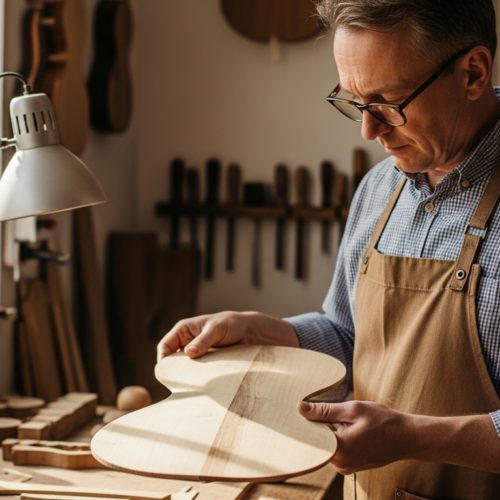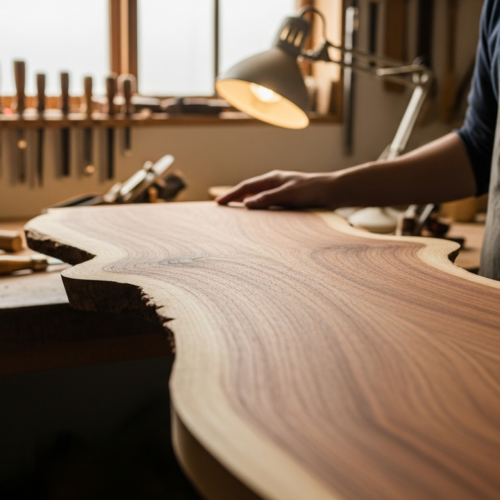


Maple is a popular tonewood used in the construction of various musical instruments. Its widespread use is due to its availability, workability, and unique acoustic properties.
Understanding the characteristics of maple tonewood is essential for luthiers and musicians alike. This knowledge ensures the selection of the right material for achieving the desired sound and playability in instruments.
In this article, we will explore the different types of maple used in luthierie, discuss their acoustic properties, and compare them to other common tonewoods. We will also look at maple’s role in guitar necks and bodies, along with workability and finishing techniques.
The Different Types of Maple Used in Luthierie
Maple is not a monolithic species; it comes in several varieties, each with distinct characteristics that make them suitable for different applications in instrument making. These variations in density, figure, and stiffness influence the final sound and aesthetic of the instrument.
The most common types of maple used in luthierie include hard maple (Acer saccharum), soft maple (Acer rubrum), and bigleaf maple (Acer macrophyllum). Each type brings its own set of advantages to the table.
Hard maple, also known as sugar maple, is prized for its density and stiffness. This makes it an excellent choice for necks and other structural components that require stability.
Soft maple, while less dense than hard maple, is still a viable option for instrument building. It’s often used for guitar bodies and backs due to its good resonance and lighter weight.
Bigleaf maple is commonly found on the West Coast of North America and is a popular choice for archtop guitars. Its acoustic properties are well-suited for producing a balanced and clear tone.
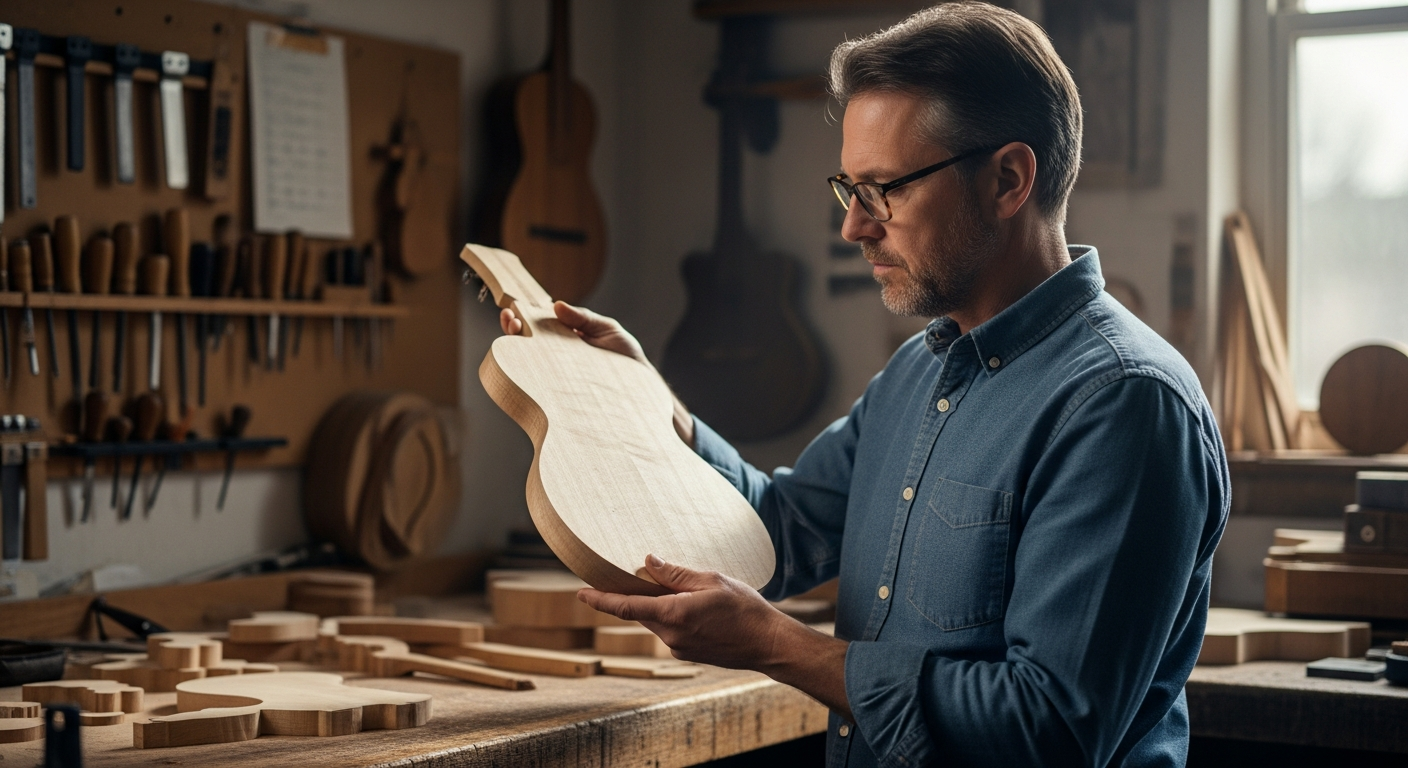
Beyond these three primary types, other maple varieties like red maple and silver maple can also be used in luthierie, though they are less common. The specific choice often depends on the desired tonal qualities and aesthetic preferences of the luthier and musician.
Hard maple, due to its exceptional density, is often favored for applications where strength and rigidity are paramount. This makes it ideal for guitar necks, where it contributes to stability and sustain.
Soft maple, with its slightly lower density, is often chosen for applications where weight is a concern, such as guitar bodies. Its resonance characteristics also contribute to a warm and balanced tone.
Bigleaf maple is particularly well-suited for archtop guitars because of its ability to produce a clear and focused sound with excellent projection. Its unique grain patterns also make it a visually appealing choice.
The figure of the maple, such as flame or quilt, can also influence its suitability for different applications. Highly figured maple is often used for the tops of guitars and other instruments, adding a touch of elegance and visual interest.
Ultimately, the choice of maple type depends on a variety of factors, including the desired tonal qualities, aesthetic preferences, and structural requirements of the instrument. Luthiers often experiment with different maple varieties to achieve their desired sound and look.
Acoustic Properties: How Maple Affects Sound
Maple’s density and stiffness significantly contribute to the sound characteristics of an instrument. It generally produces a bright and clear tone with good sustain.
The way maple reflects sound waves results in a focused and articulate sound, making it suitable for genres where clarity is essential. Its natural brightness complements darker-sounding woods, balancing the overall tonal spectrum.
Different maple types will contribute differently to the instrument’s sound. Hard maple tends to offer a brighter, snappier response, while soft maple provides a slightly warmer, rounder tone.
Bigleaf maple, often used in archtop guitars, provides a balanced tone with a strong midrange presence. This makes it a versatile choice for various playing styles.
The grain orientation and cut of the maple also affect the sound. Quartersawn maple, with its straight and consistent grain, offers greater stiffness and tonal clarity compared to flatsawn maple.
The density of maple allows for efficient sound transmission, resulting in enhanced sustain and clarity. This is particularly noticeable in instruments with maple necks or bodies.
Maple’s inherent brightness makes it a popular choice for instruments that need to cut through a mix. Its clear and articulate tone ensures that each note is heard distinctly.
The stiffness of maple also contributes to its ability to resist unwanted vibrations, resulting in a more focused and controlled sound. This is especially important in instruments that require precision and accuracy.
The way maple interacts with other tonewoods can also significantly impact the overall sound of the instrument. Combining maple with darker woods like mahogany can create a balanced and complex tonal palette.
Ultimately, the acoustic properties of maple make it a versatile and valuable tonewood for a wide range of instruments and musical styles. Its ability to provide clarity, brightness, and sustain ensures its continued popularity among luthiers and musicians.
The finish applied to maple can also affect its acoustic properties. Thinner finishes tend to allow the wood to vibrate more freely, resulting in a more resonant sound.
Maple’s Role in Guitar Necks and Bodies
Maple is a versatile tonewood that can be used in both the neck and body of a guitar, each contributing unique characteristics to the instrument’s overall sound and playability. The choice between using maple for the neck or body often depends on the desired tonal qualities and the player’s preferences.
Maple necks are favored for their stability and bright tone, while maple bodies can add clarity and sustain. The combination of these can result in a well-balanced and articulate instrument.
| Component | Maple Type | Acoustic Contribution |
|---|---|---|
| Neck | Hard Maple | Brightness, stability, and sustain |
| Body | Soft Maple | Warmth, resonance, and balanced tone |
| Top | Bigleaf Maple | Clarity, projection, and articulation |
| Laminate | Various | Aesthetic appeal, structural support, tonal enhancement |
Using maple for the neck provides a stiff and stable platform, which is crucial for maintaining consistent intonation and playability. The density of maple helps transmit vibrations efficiently, contributing to a clear and focused tone.
A maple body can add brightness and sustain to the guitar’s overall sound. This is particularly useful in darker-sounding instruments that need a bit of tonal lift.
Maple necks are known for their smooth feel and comfortable playability. The hard surface of maple allows for easy sliding and precise fretting.
Maple bodies can be paired with different types of tops to create a variety of tonal combinations. For example, a maple body with a mahogany top can provide a balanced mix of warmth and clarity.
The use of maple in guitar construction is not limited to necks and bodies. Maple can also be used for fretboards, headstocks, and other components.
The choice of maple for a particular guitar component often depends on the desired tonal characteristics and the overall design of the instrument. Luthiers carefully consider the properties of each wood to achieve the desired sound and playability.
Maple’s versatility makes it a popular choice for both electric and acoustic guitars. Its ability to provide clarity, sustain, and stability ensures its continued use in guitar construction.
Some guitarists prefer the bright and snappy tone of an all-maple guitar, while others prefer to combine maple with other tonewoods for a more balanced sound. Ultimately, the choice is a matter of personal preference.
Workability and Finishing Techniques for Maple
Maple is generally considered a user-friendly wood to work with, although its density can sometimes pose challenges. Proper tools and techniques are necessary to achieve the best results.
When working with maple, sharp tools are essential to prevent tear-out, especially when dealing with figured varieties like flame or quilted maple. A slow and steady approach is often better than forcing cuts.
Sanding maple requires attention to detail, as it can be prone to scratches if not done correctly. Starting with a coarser grit and gradually moving to finer grits will help achieve a smooth surface.
Maple takes finishes well, but its light color can sometimes highlight imperfections. A good sanding sealer can help create a uniform base for the final finish.
Different types of finishes, such as lacquer, polyurethane, and oil-based finishes, can be used on maple. The choice of finish will affect the final look and feel of the instrument.
Proper preparation is crucial for achieving a flawless finish on maple. This includes thorough sanding, cleaning, and sealing.
When applying finishes to maple, it’s important to use thin coats and allow each coat to dry completely before applying the next. This helps prevent runs and drips.
Figured maple can be particularly challenging to finish, as the grain patterns can absorb finish unevenly. Applying a stain or dye before the final finish can help enhance the figure and create a more dramatic look.
Oil-based finishes can provide a warm and natural look to maple, while lacquer and polyurethane finishes offer greater durability and protection. The choice of finish depends on the desired aesthetic and the intended use of the instrument.
Maintaining sharp tools is essential for working with maple, as dull tools can cause tear-out and splintering. Regularly sharpening your chisels, planes, and saws will make the woodworking process much easier and more enjoyable.
Maple vs. Other Common Tonewoods
When selecting a tonewood for instrument construction, it’s essential to understand how maple compares to other popular choices like mahogany, rosewood, and alder. Each wood has its own unique tonal characteristics and workability.
Maple is often compared to mahogany, which is known for its warm and balanced tone. While mahogany offers a rich, full sound, maple provides more clarity and brightness.
Rosewood is another commonly used tonewood, particularly for fretboards and backs/sides of acoustic guitars. Rosewood adds warmth and sustain to the instrument’s sound, while maple provides more immediate attack and clarity.
Alder is frequently used for electric guitar bodies, offering a balanced tone with a slight emphasis on the midrange. Maple, in comparison, tends to have a brighter and more articulate sound.
The choice between these tonewoods depends on the desired tonal characteristics and the specific application in the instrument. Many luthiers combine different woods to achieve a balanced and complex sound.
Mahogany is often favored for its warm and sustain-rich tone, making it a popular choice for guitar bodies and necks. However, it can sometimes lack the clarity and articulation of maple.
Rosewood is prized for its complex overtones and rich sustain, making it ideal for fretboards and acoustic guitar backs and sides. However, it can be more expensive and difficult to work with than maple.
Alder is a versatile tonewood that offers a balanced tone with good sustain and clarity. It’s often used for electric guitar bodies, but it can sometimes lack the warmth of mahogany or the brightness of maple.
Combining maple with other tonewoods can create a wide range of tonal possibilities. For example, a maple top on a mahogany body can provide a balanced mix of warmth and clarity.
Ultimately, the best tonewood for a particular instrument depends on the desired sound and the preferences of the luthier and musician. Understanding the unique characteristics of each wood is essential for making informed decisions.
Consider the instrument’s intended genre and playing style when choosing between maple and other tonewoods. Maple’s brightness is great for genres needing clarity.
Common Maple Grading and Selection Criteria
Selecting the right piece of maple for instrument construction involves understanding the grading system and key selection criteria. These factors ensure that the wood meets the required standards for both structural integrity and aesthetic appeal.
Maple is typically graded based on its figure, color, and grain consistency. Higher grades indicate more pronounced figure and fewer blemishes.
- Figure (flame, quilt, burl)
- Color consistency
- Grain straightness
- Knot and defect absence
- Moisture content
Figure refers to the visual patterns in the wood, such as flame, quilt, or burl. Flame maple has a wavy, three-dimensional appearance, while quilted maple features bubble-like patterns.
Burl maple contains swirling grain patterns and small knots, adding a unique and exotic look. The color of maple should be consistent and free from discoloration.
Grain straightness is important for structural stability, especially in necks and other load-bearing components. Wood with straight grain is less likely to warp or twist over time.
The absence of knots and defects is crucial for both structural integrity and aesthetic appeal. Knots can weaken the wood and make it more prone to cracking.
Moisture content is a critical factor in wood stability. Wood that is too wet or too dry is more likely to warp, crack, or shrink. Kiln-dried wood is generally preferred for instrument construction.
The grading system for maple can vary depending on the supplier. However, most grading systems take into account the factors mentioned above.
When selecting maple for a particular project, it’s important to consider the specific requirements of the application. For example, a neck might require a higher grade of maple with straighter grain than a body.
Ultimately, the best way to select maple is to inspect the wood in person and assess its suitability for your project. A trained eye can identify potential problems and ensure that you’re getting the best possible material.
Tips for Sourcing Quality Maple Tonewood
Sourcing high-quality maple tonewood requires careful consideration and a discerning eye. Establishing relationships with reputable suppliers and understanding the specific needs of your project are crucial for success.
Start by researching different suppliers and reading reviews from other luthiers. Look for suppliers who specialize in tonewoods and have a reputation for quality and consistency.
When possible, visit the supplier in person to inspect the wood firsthand. This allows you to assess the figure, color, and grain consistency more accurately.
Ask the supplier about the origin and drying process of the maple. Kiln-dried wood is generally more stable and less prone to warping than air-dried wood.
Consider purchasing slightly more wood than you need to account for any imperfections or waste during the building process. This ensures that you have enough material to complete your project without compromising on quality.
Develop a relationship with your tonewood supplier. This allows for open communication and ensures you get the best possible selection for your needs.
Inquire about the sustainability practices of the supplier. Choosing suppliers who harvest wood responsibly helps protect forests for future generations.
Don’t be afraid to ask questions about the wood’s history and characteristics. The more you know about the wood, the better equipped you’ll be to use it effectively.
Consider attending woodworking shows and exhibitions to meet suppliers and see their products in person. This is a great way to network and learn about new trends in the industry.
Be prepared to pay a premium for high-quality maple tonewood. The best materials are often more expensive, but they’re worth the investment in the long run.
Always check the moisture content of the wood before you start working with it. Using a moisture meter can help you ensure that the wood is properly dried and stable.
Notable Instruments Featuring Maple
Maple has been used in the construction of numerous iconic instruments across various genres. Its tonal clarity and aesthetic appeal have made it a favorite among luthiers and musicians alike.
Many high-end archtop guitars, such as those made by D’Angelico and Benedetto, feature maple tops, backs, and sides. These instruments are prized for their articulate and balanced sound.
Fender Stratocasters and Telecasters often feature maple necks, which contribute to their bright and snappy tone. Some models also have maple bodies, further enhancing their clarity and sustain.
Gibson Les Pauls frequently use maple tops over mahogany bodies, combining the warmth of mahogany with the brightness of maple. This combination results in a versatile and powerful sound.
Violins, violas, and cellos often have maple backs, sides, and necks. The tonal properties of maple contribute to the instrument’s projection and clarity.
Rickenbacker guitars are known for their distinctive jangle, often attributed to their maple construction. The bright and articulate tone of maple helps create their signature sound.
Many bass guitars also feature maple necks and bodies, providing a clear and punchy tone. Maple’s stiffness helps maintain consistent intonation and sustain.
Drums often incorporate maple shells, which contribute to their bright and resonant sound. Maple drums are known for their versatility and ability to perform well in a variety of musical styles.
The use of maple in these iconic instruments demonstrates its versatility and tonal excellence. Its ability to provide clarity, brightness, and sustain has made it a staple tonewood for generations of musicians.
Many custom-built instruments also feature maple, allowing luthiers to create unique and personalized instruments for discerning musicians. The possibilities are endless when it comes to maple’s applications.
The Future of Maple in Luthierie
As sustainable practices become increasingly important, the future of maple in luthierie looks promising. Maple is a relatively fast-growing and abundant tree species, making it a sustainable choice for instrument construction.
Ongoing research into wood treatments and modifications may further enhance the acoustic properties of maple. This could lead to even more innovative applications in instrument building.
The development of new finishing techniques and materials will also play a role in the future of maple instruments. These advancements can improve the durability and aesthetic appeal of maple instruments.
As luthiers continue to experiment with different wood combinations and construction methods, maple will likely remain a staple tonewood. Its versatility and availability make it a valuable resource for instrument makers.
The demand for high-quality maple instruments is expected to remain strong as musicians continue to appreciate its unique tonal characteristics. This ensures that maple will continue to be a sought-after tonewood for generations to come.
Advancements in harvesting and processing techniques could further improve the sustainability and quality of maple tonewood. This could lead to even more environmentally friendly and sonically superior instruments.
The use of technology, such as CNC machines and 3D printing, could also revolutionize the way maple is used in instrument construction. This could allow for more precise and complex designs.
The growing interest in vintage instruments is also likely to fuel the demand for maple, as many classic guitars and basses feature maple necks and bodies. This will help preserve the legacy of maple in luthierie.
The increasing popularity of online resources and communities is making it easier for luthiers to share information and collaborate on new projects. This could lead to even more innovation in the use of maple in instrument construction.
The future of maple in luthierie is bright, with ongoing research, technological advancements, and a growing appreciation for its unique qualities. Maple will continue to be a vital tonewood for instrument makers around the world.
Conclusion
Maple tonewood offers a unique combination of acoustic properties, workability, and aesthetic appeal that makes it a favorite among luthiers. Understanding the different types of maple, their tonal characteristics, and proper selection criteria is essential for creating high-quality instruments.
Whether used for guitar necks, bodies, or other instrument components, maple contributes to a bright, clear, and articulate sound. Its versatility and sustainability ensure its continued use in luthierie for years to come.
From its use in iconic instruments to its potential for future innovation, maple remains a cornerstone of the luthierie world. Its enduring appeal is a testament to its exceptional qualities.
As musicians continue to seek instruments that offer both tonal excellence and aesthetic beauty, maple will undoubtedly remain a top choice for luthiers worldwide. Its legacy is secure, and its future is bright.
So, the next time you pick up an instrument with a maple neck or body, take a moment to appreciate the unique qualities of this remarkable tonewood. It’s a testament to the artistry and craftsmanship that goes into creating the instruments we love.