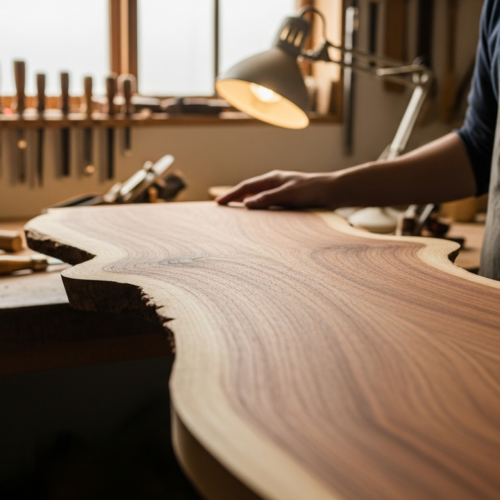


Walnut, celebrated for its rich color and appealing grain patterns, has emerged as a favored tonewood among luthiers. Its balanced tonal properties make it a versatile choice for various parts of the guitar. Let’s examine why walnut tonewood guitar construction is gaining popularity.
This article will explore the qualities of walnut that make it suitable for crafting acoustic and electric guitars. We will consider its tonal characteristics, workability, and how it compares to other popular tonewoods.
Whether you’re a seasoned luthier or a guitarist curious about tonewoods, understanding the nuances of walnut can broaden your appreciation for instrument building. The unique qualities of walnut guitar tone are worth exploring.
Why Choose Walnut for Your Guitar?
Walnut offers a unique combination of aesthetic appeal and sonic properties, making it a compelling choice for guitar construction. Its visual warmth and distinctive grain patterns add character to any instrument.
Beyond its appearance, walnut provides a balanced tonal response that sits comfortably between the brightness of maple and the warmth of mahogany. This balance makes it adaptable to various playing styles and musical genres.
The workability of walnut is another significant advantage, as it is generally easier to shape and finish compared to some denser hardwoods. This characteristic can reduce manufacturing time and improve the overall quality of the instrument.
Its availability and sustainable harvesting practices also contribute to its appeal. Many luthiers value walnut as a responsible and environmentally conscious choice for tonewood.
Choosing walnut can also be a statement about your personal preferences as a musician. It shows an appreciation for unique and sustainable materials.

Ultimately, the decision to use walnut depends on the specific tonal and aesthetic goals of the builder and the player. However, its versatility and inherent beauty make it a worthy contender.
Furthermore, walnut’s relative affordability compared to some exotic tonewoods makes it an attractive option for budget-conscious luthiers. This allows for high-quality instruments to be built at a more accessible price point.
The distinctive look of a walnut guitar can also set it apart from the more common mahogany or rosewood instruments. This visual uniqueness can be a selling point for musicians seeking a personalized instrument.
The Tonal Characteristics of Walnut in Guitar Construction
Walnut tonewood guitar construction is known for producing a balanced and articulate sound. It delivers a clear midrange, a warm low end, and a crisp high end, making it suitable for a wide range of musical styles.
Compared to rosewood, walnut offers a slightly less complex overtone structure, resulting in a more focused and direct sound. This characteristic can be particularly beneficial in recording situations where clarity is paramount.
The density of walnut contributes to its sustain, allowing notes to ring out clearly and evenly. This sustain is valued by players who appreciate a responsive and dynamic instrument.
Furthermore, the tonal properties of black walnut tonewood can vary depending on the specific cut and grade of the wood. Some pieces may exhibit more pronounced warmth, while others may lean towards greater clarity and projection.
The balanced frequency response of walnut makes it an excellent choice for guitars used in ensemble settings. It allows the instrument to sit well in the mix without overpowering other instruments.
Players often describe walnut guitars as having a “woody” tone, which adds a natural and organic quality to the sound. This characteristic is especially appreciated by acoustic guitarists who value a traditional and earthy tone.
The clarity and articulation of walnut also make it well-suited for fingerstyle playing. It allows individual notes to be heard distinctly, even in complex arrangements.
The sustain provided by walnut helps to create a full and resonant sound, enhancing the overall playing experience. This sustains allows notes to bloom and decay naturally.
Walnut’s Workability and Finishing Options
Walnut is generally considered a luthier-friendly wood due to its moderate hardness and stable nature. It responds well to both hand tools and machine tools, facilitating precise shaping and smooth surfaces.
Its closed grain structure allows for easy sanding and polishing, resulting in a smooth and even surface for finishing. This characteristic is crucial for achieving a professional-looking instrument.
| Finishing Option | Description | Suitable For |
|---|---|---|
| Lacquer | Provides a durable and glossy finish that enhances the natural color of the walnut. | Acoustic and electric guitars |
| Oil Finish | Offers a natural and tactile feel, allowing the wood to breathe and age gracefully. | Acoustic guitars, necks |
| Polyurethane | Provides excellent protection against moisture and wear, ideal for high-use instruments. | Electric guitars |
| Varnish | Offers a traditional look with good clarity and protection, showcasing the wood’s grain. | Acoustic guitars |
The ease of working with walnut also translates to less wear and tear on tools, extending their lifespan. This can be a significant benefit for luthiers who rely on their tools for precision work.
Walnut accepts stains and dyes readily, allowing luthiers to customize the color of the wood to suit their aesthetic preferences. This versatility opens up a wide range of design possibilities.
The stability of walnut also means that it is less prone to movement or cracking after the instrument has been built. This ensures that the guitar will maintain its structural integrity over time.
The smooth surface achieved with walnut allows for a comfortable playing experience, particularly on the neck. This comfort can enhance the player’s performance and enjoyment of the instrument.
Comparing Walnut to Mahogany and Other Tonewoods
When compared to mahogany, walnut offers a brighter and more articulate tone, with a slightly less pronounced midrange. Mahogany is known for its warm and mellow sound, while walnut tends to have more clarity and definition.
Compared to maple, walnut has a warmer and richer tone, with a more pronounced low end. Maple is known for its bright and crisp sound, which can sometimes be perceived as sterile or harsh.
Compared to rosewood, walnut offers a similar level of sustain and complexity, but with a more focused and direct sound. Rosewood has a more complex overtone structure, which can sometimes result in a muddier or less defined sound.
Ultimately, the choice between walnut and other tonewoods depends on the desired tonal characteristics and aesthetic preferences. Walnut provides a versatile and balanced option that can complement a wide range of playing styles.
Consider the guitar’s intended purpose when comparing tonewoods. A blues player may prefer the warmth of mahogany, while a jazz guitarist might appreciate the clarity of walnut.
The size and shape of the guitar also influence the tonal impact of the tonewood. A smaller-bodied guitar may benefit from the added warmth of walnut, while a larger guitar might need the brightness of maple to balance the sound.
Experimenting with different tonewood combinations can lead to unique and interesting tonal results. Pairing a walnut back and sides with a spruce top, for example, can create a balanced and versatile instrument.
The player’s individual playing style should also be considered when choosing a tonewood. A fingerstyle player might prefer the clarity and articulation of walnut, while a strumming player might prefer the warmth and sustain of mahogany.
Using Walnut for Acoustic and Electric Guitars
Walnut is suitable for both acoustic and electric guitars, although its tonal properties are often more appreciated in acoustic instruments. Its balanced response and clear articulation make it an excellent choice for fingerstyle players and singer-songwriters.
In acoustic guitars, walnut can be used for the back and sides, as well as the top, although spruce or cedar are more common choices for the top. When used for the back and sides, walnut provides a warm and balanced tone with good projection.
In electric guitars, walnut is often used for the body, providing a solid and resonant platform for pickups and hardware. Its density contributes to sustain and clarity, making it a suitable choice for various genres, including rock, blues, and jazz.
Additionally, walnut can be used for necks, offering a smooth and comfortable playing surface. Its stability and resistance to warping make it a reliable choice for this critical component.
For acoustic guitars, consider pairing walnut back and sides with a spruce top for a balanced and versatile tone. This combination provides a good balance of warmth, clarity, and projection.
In electric guitars, walnut can be used as a solid body or as a top wood over a mahogany or maple body. This allows for different tonal characteristics to be achieved, depending on the desired sound.
Walnut necks can be paired with various fretboard materials, such as rosewood, ebony, or maple, to further customize the guitar’s tone and feel. Each fretboard material offers unique tonal and playing characteristics.
The versatility of walnut makes it a popular choice for custom guitar builders who want to offer a unique and personalized instrument. It allows for a wide range of tonal and aesthetic options to be explored.
Specific Examples of Walnut in Guitar Models
Several guitar manufacturers have embraced walnut as a tonewood, showcasing its versatility in various models. Taylor Guitars, for example, has offered limited-edition models featuring walnut back and sides, paired with a spruce top.
These guitars are often praised for their balanced tone and exceptional clarity. Breedlove Guitars also incorporates walnut into some of their acoustic models, highlighting its warm and resonant qualities.
On the electric side, companies like PRS Guitars have experimented with walnut bodies, often paired with maple tops for added brightness. These instruments offer a unique blend of warmth, clarity, and sustain.
These examples show that walnut can be successfully integrated into both acoustic and electric guitar designs, providing a distinct tonal character that appeals to a wide range of players.
Many smaller boutique guitar builders also utilize walnut in their creations, often highlighting the wood’s unique grain patterns and figuring. These custom instruments offer a high level of craftsmanship and attention to detail.
Some manufacturers have even used walnut for the entire body of an electric guitar, creating a visually striking and tonally unique instrument. These guitars often have a warm and resonant sound with good sustain.
The increasing popularity of walnut in guitar construction reflects a growing appreciation for sustainable and tonally versatile tonewoods. As more players discover the benefits of walnut, its use in guitar models is likely to continue to grow.
Keep an eye out for new and innovative uses of walnut in guitar designs, as luthiers continue to explore its potential. The possibilities for this versatile tonewood are endless.
Using Walnut for Guitar Necks
Walnut’s stability and moderate density make it a good choice for guitar necks. It provides a smooth playing surface and resists warping, ensuring consistent playability over time.
Compared to maple, walnut offers a slightly warmer and more comfortable feel, which can be beneficial for players who prefer a less “slick” neck. It also adds a touch of visual warmth to the instrument’s overall aesthetic.
- Stable and resistant to warping
- Smooth playing surface
- Comfortable feel
- Visually appealing
- Adds warmth to the guitar’s tone
The moderate density of walnut also contributes to good sustain and resonance in the neck. This can enhance the overall tonal quality of the guitar.
Walnut necks can be finished with various materials, such as oil, lacquer, or satin, to achieve different levels of smoothness and protection. The choice of finish can also affect the feel of the neck.
Some luthiers prefer to use walnut for the entire neck, while others use it as a core with different woods for the fretboard or headstock. This allows for a wide range of tonal and aesthetic options to be explored.
The visual appeal of walnut necks can be enhanced by using figured walnut or by adding decorative inlays. This allows for a personalized and unique look to be achieved.
Sourcing Quality Walnut for Luthierie
Sourcing high-quality walnut for luthierie requires careful attention to several factors. The grade of the wood, its moisture content, and its overall stability are crucial considerations.
Luthiers often seek out walnut that has been properly seasoned and dried to minimize the risk of warping or cracking. Kiln-dried walnut is generally preferred, as this process ensures consistent moisture content throughout the wood.
Reputable tonewood suppliers are valuable resources for sourcing quality walnut. These suppliers typically have established relationships with sawmills and can provide detailed information about the wood’s origin and characteristics.
Sustainable harvesting practices are also an important consideration when sourcing walnut. Choosing suppliers who adhere to responsible forestry management principles helps ensure the long-term availability of this valuable resource.
Look for walnut that is free from defects, such as knots, cracks, or insect damage. These defects can compromise the structural integrity and tonal quality of the wood.
Consider the grain orientation of the walnut when selecting pieces for specific parts of the guitar. Quarter-sawn walnut is often preferred for tops and backs, as it provides greater stability and stiffness.
Ask suppliers about the drying process used for the walnut. Properly dried wood is essential for preventing warping and cracking after the guitar has been built.
Establish a relationship with a trusted tonewood supplier who can provide consistent quality and reliable information about their products. This will help ensure that you are using the best possible materials for your guitars.
The Environmental Impact of Using Walnut
Walnut, when sourced responsibly, presents a more environmentally friendly option compared to some exotic tonewoods. Its relatively fast growth rate and wide availability in North America and Europe make it a sustainable choice.
Many walnut suppliers follow sustainable forestry practices, ensuring that trees are harvested in a way that minimizes environmental impact. These practices include selective logging, replanting efforts, and protecting biodiversity.
Choosing walnut from suppliers who are certified by organizations like the Forest Stewardship Council (FSC) can provide assurance that the wood has been harvested responsibly. This certification ensures that the forest is managed in a way that meets strict environmental and social standards.
By selecting sustainably sourced walnut, luthiers can contribute to the conservation of forests and the preservation of ecosystems. This conscious choice aligns with the growing demand for environmentally responsible products in the music industry.
Using locally sourced walnut can further reduce the environmental impact of guitar construction by minimizing transportation costs and emissions. This supports local economies and reduces the carbon footprint of the instrument.
Consider using reclaimed walnut whenever possible. Reclaimed wood is salvaged from old buildings or other structures and can be a sustainable and visually appealing option.
Promote the use of sustainable tonewoods to your customers and encourage them to make environmentally responsible choices. This can help raise awareness and drive demand for sustainable products in the music industry.
Support organizations that are working to promote sustainable forestry practices and protect forests around the world. This can help ensure the long-term availability of tonewoods for future generations.
Conclusion
Walnut tonewood guitar construction offers a compelling combination of aesthetic appeal, balanced tonal properties, and workability. Its versatility makes it a suitable choice for both acoustic and electric guitars, appealing to a wide range of players.
Whether you’re a luthier seeking a sustainable and reliable tonewood or a guitarist looking for a unique and expressive instrument, walnut deserves consideration. Its rich color, balanced tone, and ease of use make it a valuable addition to the world of luthierie.
The growing awareness of environmental issues is likely to further increase the popularity of walnut as a sustainable tonewood option. As more luthiers and guitarists embrace sustainable practices, walnut is poised to become an even more prominent material in guitar construction.
Experiment with walnut in your own guitar building projects and discover its unique tonal and aesthetic qualities. Its versatility and sustainability make it a valuable addition to any luthier’s palette.