
The quest for the perfect guitar finish is a journey that balances aesthetics, protection, and playability. However, traditional solvent-based finishes can be harmful to both the environment and the luthier. A water based guitar finish offers a compelling alternative, providing a durable, beautiful, and eco-conscious option for instrument builders.
These finishes are becoming increasingly popular as luthiers seek sustainable practices without compromising the quality of their instruments. This article will explore the world of water-based guitar finishes, covering their composition, advantages, application techniques, and troubleshooting tips.
Whether you’re a seasoned luthier or a hobbyist, understanding water-based finishes can expand your finishing options and contribute to a healthier environment. Let’s examine how to achieve a stunning, durable finish while minimizing your impact on the planet.
Understanding Water-Based Finishes: Composition and Advantages
Water-based finishes, also known as waterborne finishes, are coatings in which water is the primary solvent. This distinguishes them from traditional finishes that rely on petroleum-based solvents like lacquer or varnish.
The composition of a water-based finish typically includes water, resins (such as acrylic, polyurethane, or a combination), co-solvents, and additives. These components work together to create a finish that is both durable and aesthetically pleasing.
One of the most significant advantages of using a water based guitar finish is its low volatile organic compound (VOC) content. VOCs are gases emitted from certain solids or liquids that can have adverse health effects and contribute to air pollution.
By reducing VOC emissions, water-based finishes offer a safer working environment for luthiers and contribute to better air quality. This makes them a responsible choice for those concerned about environmental impact and personal health.
The resins used in water-based finishes are the key to their performance characteristics. Acrylic resins provide excellent clarity and flexibility, while polyurethane resins offer superior durability and chemical resistance. Hybrid formulations combine these resins to optimize both qualities.
Co-solvents are added to water-based finishes to improve their flow and leveling properties. These co-solvents help the finish spread evenly and reduce surface tension, resulting in a smoother, more uniform coating.
Additives play a crucial role in enhancing the overall performance of water-based finishes. These additives can include defoamers to prevent bubbles, UV absorbers to protect against sun damage, and flow enhancers to improve leveling.
Another advantage of water-based finishes is their ease of cleanup. Unlike solvent-based finishes that require harsh chemicals for cleaning, water-based finishes can be cleaned up with soap and water.
Choosing the Right Water-Based Finish for Your Guitar
Selecting the appropriate water-based finish is essential for achieving the desired look and protection for your guitar. Several types of water-based finishes are available, each with unique properties and applications.
Acrylic finishes are known for their clarity and flexibility, making them a good choice for guitars that require a finish that can move with the wood. Polyurethane finishes offer excellent durability and resistance to scratches and chemicals, ideal for instruments that will see heavy use.
Hybrid finishes, which combine acrylic and polyurethane resins, provide a balance of both properties, offering a durable and flexible finish. Consider the type of wood, the desired aesthetic, and the instrument’s intended use when making your selection.
Also, think about the application method you plan to use, as some finishes are better suited for spraying while others can be brushed or wiped on. Reading product reviews and consulting with experienced luthiers can also help you make an informed decision.
When choosing between acrylic and polyurethane finishes, consider the specific requirements of your project. Acrylic finishes are generally more flexible and less prone to cracking, making them suitable for guitars with thin or flexible bodies.
Polyurethane finishes, on the other hand, are more durable and resistant to wear and tear. This makes them a good choice for guitars that will be played frequently or exposed to harsh conditions.
Hybrid finishes offer a compromise between these two options, providing a balance of flexibility and durability. These finishes are a versatile choice for a wide range of guitars.
Consider the sheen level of the finish as well. Water-based finishes are available in a variety of sheens, from matte to high gloss. The desired sheen level will depend on the aesthetic you are trying to achieve.
Preparing the Wood for Water-Based Finishes
Proper wood preparation is key to achieving a flawless water-based finish on your guitar. Start by ensuring the wood surface is clean, dry, and free of any contaminants like dust, oil, or wax.
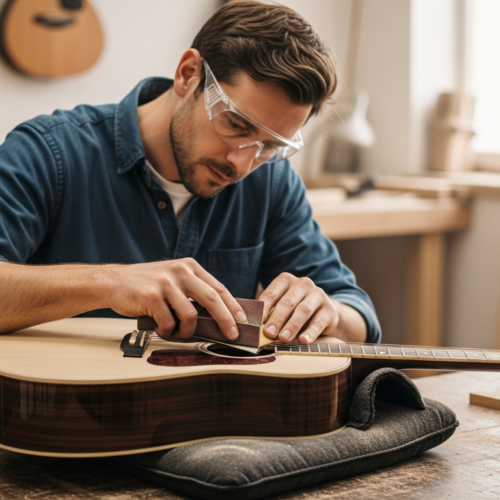
Sanding is a crucial step in preparing the wood. Begin with a coarser grit sandpaper (e.g., 120-grit) to remove any imperfections, then gradually move to finer grits (e.g., 220-grit, 320-grit) to create a smooth surface.
| Wood Type | Sealing Method | Purpose |
|---|---|---|
| Softwoods (e.g., Pine, Spruce) | Sealer or Grain Filler | Prevents excessive finish absorption |
| Hardwoods (e.g., Mahogany, Maple) | Sanding Sealer | Enhances adhesion and smoothness |
| Open-Pore Woods (e.g., Ash, Walnut) | Grain Filler | Fills pores for a smooth, level surface |
| Figured Woods (e.g., Quilted Maple) | Thin Coat of Finish | Highlights figure and prevents blotching |
After sanding, raise the grain by lightly dampening the wood with water. This will cause any loose fibers to stand up, which can then be knocked down with fine-grit sandpaper (e.g., 400-grit) after the wood dries.
For oily woods like rosewood or ebony, it’s important to degrease the surface before applying a finish. Wipe the wood down with a solvent like naphtha or denatured alcohol to remove any excess oils.
Sealing the wood is an important step, especially for porous woods. A sealer will help prevent the finish from soaking into the wood unevenly, resulting in a blotchy or uneven appearance.
There are several types of sealers available, including water-based sealers, shellac, and vinyl sealers. Choose a sealer that is compatible with your chosen finish and follow the manufacturer’s instructions for application.
Grain filling is necessary for open-pore woods like ash or walnut. Grain filler will fill the pores in the wood, creating a smooth, level surface for the finish.
Applying Water-Based Finishes: Tips and Techniques
Applying water-based finishes requires a different approach than solvent-based finishes. Water-based finishes tend to dry faster, which can lead to issues like brush marks or unevenness if not applied correctly.
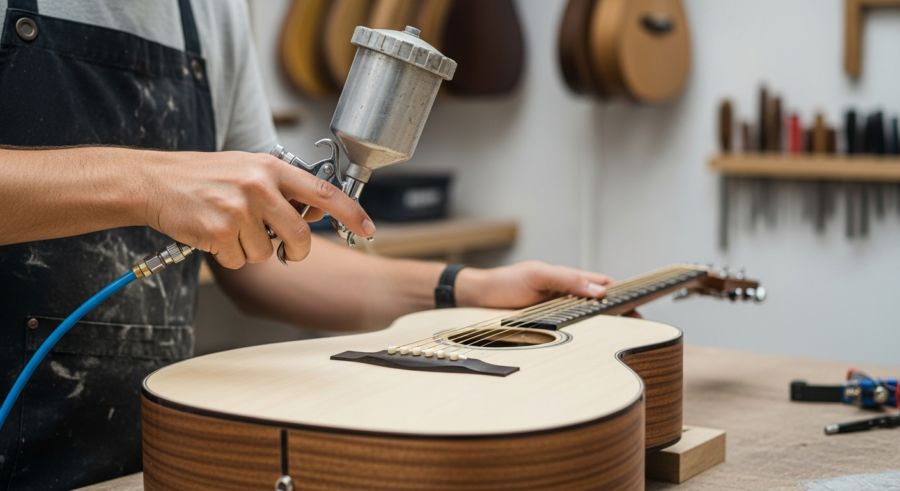
Spraying is often the preferred method for applying water-based finishes, as it allows for a thin, even coat. If spraying, use a high-volume, low-pressure (HVLP) sprayer to minimize overspray and achieve a consistent finish.
When brushing or wiping, use a high-quality synthetic brush or a lint-free cloth. Apply thin, even coats, working with the grain of the wood to avoid streaks or brush marks.
Allow each coat to dry completely before applying the next, following the manufacturer’s recommendations for drying times. Lightly sand between coats with fine-grit sandpaper (e.g., 400-grit or higher) to remove any imperfections and ensure proper adhesion.
When spraying, maintain a consistent distance and speed to avoid runs or sags. Overlap each pass by about 50% to ensure even coverage.
If brushing, use long, smooth strokes and avoid overworking the finish. Apply the finish in the direction of the grain and feather the edges to blend each stroke.
When wiping, use a lint-free cloth and apply the finish in thin, even coats. Wipe off any excess finish immediately to avoid a buildup of material.
Maintain a consistent temperature and humidity level in your work area. Extreme temperatures or humidity can affect the drying time and the quality of the finish.
Sanding and Buffing Water-Based Finishes
Sanding and buffing are essential steps in achieving a professional-looking water-based finish. After applying the final coat and allowing it to dry completely, begin by leveling the surface with fine-grit sandpaper.
Start with 600-grit sandpaper and gradually move to finer grits, such as 800-grit, 1000-grit, and even 1200-grit, to remove any imperfections and create a smooth, even surface. Be careful not to sand through the finish, especially on edges and corners.
Once the surface is level and smooth, you can begin buffing to achieve the desired level of gloss. Use a buffing wheel with different compounds, starting with a cutting compound to remove any remaining scratches, followed by a polishing compound to enhance the gloss.
Finally, use a swirl remover to eliminate any swirl marks left by the polishing compound. Take your time and work in small sections to achieve a consistent, flawless finish.
Wet sanding can help to minimize scratches and create a smoother surface. Use water or a lubricant specifically designed for wet sanding.
When buffing, use a slow speed to avoid overheating the finish. Overheating can cause the finish to soften and become damaged.
Use a clean buffing wheel for each compound to avoid cross-contamination. This will ensure that you achieve the best possible results.
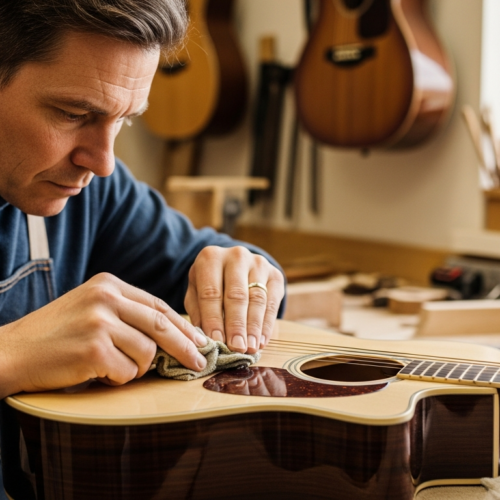
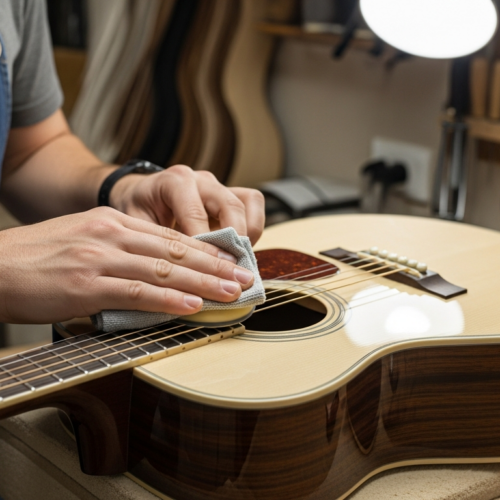
After buffing, wipe the surface down with a clean cloth to remove any residue. This will reveal the true gloss and clarity of the finish.
Troubleshooting Common Water-Based Finish Problems
Despite the many advantages of water-based finishes, some challenges can arise during the application process. Understanding these issues and how to address them can help you achieve a professional-looking finish.
One common problem is grain raising, which occurs when the water in the finish causes the wood fibers to swell. To minimize grain raising, raise the grain before applying the finish by lightly dampening the wood with water and sanding it smooth after it dries.
- Blushing (cloudy appearance)
- Orange peel (uneven texture)
- Runs or sags (uneven application)
- Bubbles (air entrapment)
- Poor adhesion (finish peeling)
Another issue is blushing, which appears as a cloudy or milky appearance in the finish. This can be caused by high humidity or applying the finish too thickly. Proper ventilation and thin coats can help prevent blushing.
Orange peel, which is an uneven, textured surface, can be caused by improper spraying technique or using a finish that is too thick. Adjust your spraying technique or thin the finish to resolve this issue.
Runs or sags occur when the finish is applied too thickly or unevenly. Sand down the runs or sags and reapply the finish in thin, even coats.
Bubbles can be caused by air entrapment in the finish. Use a defoamer additive or allow the finish to sit for a few minutes before applying to allow the bubbles to dissipate.
Poor adhesion can be caused by inadequate surface preparation or using an incompatible sealer. Ensure that the wood surface is properly prepared and use a sealer that is compatible with your chosen finish.
Achieving a Guitar Safe Finish
When selecting a finish for your guitar, it’s crucial to consider its impact on the instrument’s tone and playability. A guitar safe finish should protect the wood without stifling its natural resonance.
Thinner finishes generally allow the wood to vibrate more freely, resulting in a more responsive and resonant instrument. Water-based finishes can be applied in thin coats, making them a suitable option for achieving a guitar safe finish.
However, it’s essential to choose a finish that is also durable enough to withstand the wear and tear of regular playing. Polyurethane-based waterborne finish options often strike a good balance between thinness and durability.
Experimenting with different finishes and application techniques can help you find the perfect balance for your instrument. Remember, the goal is to enhance the guitar’s natural qualities, not to mask them.
The thickness of the finish can significantly impact the guitar’s tone. A thick finish can dampen the vibrations of the wood, resulting in a dull or lifeless sound.
A thin finish, on the other hand, allows the wood to vibrate more freely, resulting in a more resonant and vibrant sound. However, a finish that is too thin may not provide adequate protection for the wood.
Consider the type of wood used in your guitar when selecting a finish. Softer woods may require a more durable finish to protect them from dents and scratches.
Harder woods, on the other hand, may be able to withstand a thinner finish without sacrificing protection. Ultimately, the best way to achieve a guitar-safe finish is to experiment and find what works best for your specific instrument and playing style.
Exploring Non Toxic Guitar Finish Options
As concerns about environmental and health issues grow, many luthiers are seeking non toxic guitar finish options. Traditional solvent-based finishes often contain harmful chemicals that can pose risks to both the luthier and the environment.
Water-based finishes are a great choice for those looking to reduce their exposure to harmful chemicals. These finishes have lower VOC emissions and are often formulated without hazardous ingredients like formaldehyde or heavy metals.
When selecting a non toxic guitar finish, look for products that are labeled as low-VOC or VOC-free. Also, check the product’s safety data sheet (SDS) to ensure it does not contain any harmful chemicals.
In addition to water-based finishes, other non-toxic options include shellac and certain natural oils. These finishes offer a more sustainable and health-conscious approach to guitar finishing.
Shellac is a natural resin secreted by the lac beetle. It is a non-toxic and biodegradable finish that has been used for centuries. Shellac provides a warm, amber tone and is relatively easy to apply and repair.
Natural oils, such as linseed oil and tung oil, are another non-toxic option. These oils penetrate the wood and provide a natural, matte finish. They are relatively easy to apply but may require more maintenance than other finishes.
Consider the durability and maintenance requirements of each non-toxic finish option. Shellac is relatively soft and can be easily scratched, while natural oils may require regular reapplication.
Water-based finishes offer a good balance of durability, ease of use, and low toxicity. They are a versatile choice for luthiers who are looking for a sustainable and health-conscious finish option.
The Durability of Waterborne Finish
One common concern about water-based finishes is their durability compared to traditional solvent-based finishes. However, advancements in waterborne finish technology have resulted in products that are just as durable, if not more so, than their solvent-based counterparts.
Water-based polyurethane finishes, in particular, offer excellent resistance to scratches, chemicals, and UV damage. These finishes can withstand the rigors of regular playing and protect the guitar’s wood from environmental factors.
Proper application and curing are essential for maximizing the durability of a waterborne finish. Follow the manufacturer’s recommendations for drying times and application techniques to ensure a long-lasting finish.
Additionally, consider using a clear coat with UV inhibitors to further protect the finish from sun damage. With proper care and maintenance, a water-based finish can provide years of reliable protection for your guitar.
The durability of a waterborne finish is also influenced by the type of wood it is applied to. Harder woods generally provide a more durable base for the finish.
Proper surface preparation is also critical for ensuring the durability of the finish. A smooth, clean surface will allow the finish to adhere properly and provide maximum protection.
Regular cleaning and maintenance can also help to prolong the life of a waterborne finish. Wipe down the guitar with a soft cloth after each use to remove dirt and grime.
Avoid using harsh chemicals or abrasive cleaners, as these can damage the finish. With proper care, a waterborne finish can provide years of reliable protection and beauty for your guitar.
Conclusion
Water-based guitar finishes offer a compelling alternative to traditional solvent-based finishes, providing a durable, beautiful, and eco-conscious option for luthiers. Their low VOC content makes them a safer choice for both the environment and the individual.
By understanding the composition, advantages, application techniques, and troubleshooting tips outlined in this article, you can confidently use water-based finishes to create stunning and sustainable instruments. Embrace the world of water-based finishes and contribute to a greener future for lutherie.
The choice of finish is a critical decision for any luthier. It impacts the instrument’s appearance, durability, and even its sound.
Water-based finishes are a viable option that aligns with modern sustainability goals. As technology continues to advance, water-based finishes will likely become even more prevalent in the world of guitar making.
Experimentation and continuous learning are key to mastering the art of guitar finishing. Embrace the challenge and discover the possibilities that water-based finishes offer.
By choosing water-based finishes, luthiers can create beautiful, durable, and environmentally responsible instruments that will be enjoyed for generations to come.