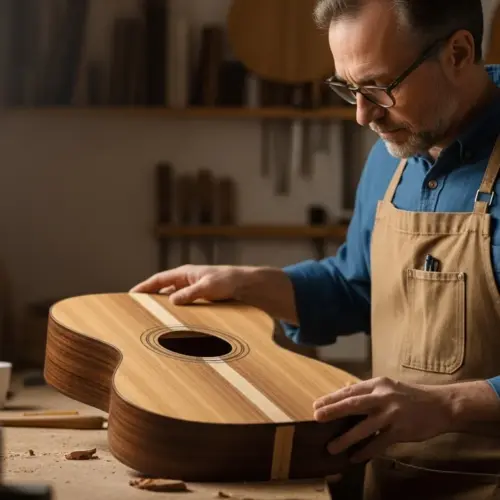


The ash tree, known for its strength and resilience, has been a favored material in various industries for centuries. Its application in luthierie, particularly in crafting guitars, is a testament to its unique acoustic properties and workability. Let’s examine why ash tonewood guitar construction is a popular choice among luthiers and guitar players alike.
From its tonal characteristics to its aesthetic appeal, ash offers a distinct set of qualities that contribute to the overall sound and feel of an instrument. Whether you’re a seasoned luthier or a guitarist exploring different tonewoods, understanding the nuances of ash can help you make informed decisions about your next instrument.
In this article, we’ll explore the different types of ash used in guitar making, their tonal qualities, workability, and historical significance. We’ll also compare swamp ash tonewood and hard ash guitar varieties, providing insights into sourcing and selecting the best ash for your luthierie projects.
Exploring the Different Types of Ash for Luthierie
Ash, belonging to the Fraxinus genus, encompasses a variety of species, each with slightly different characteristics. Two primary types of ash commonly used in guitar making are swamp ash and hard ash, also known as northern ash or white ash.
Swamp ash tonewood, as the name suggests, grows in the wet, swampy regions of the southern United States. This environment contributes to its lighter weight and softer density, making it a popular choice for guitar bodies.
Hard ash guitar wood, on the other hand, grows in colder, northern climates and is denser and heavier than swamp ash. Its higher density results in a brighter, more resonant tone, making it suitable for instruments that require clarity and projection.
Other less common ash species, like black ash, may also be used in luthierie, though they are less frequently encountered. The specific properties of each ash type influence its suitability for different parts of the guitar and the desired tonal outcome.
Beyond swamp ash and hard ash, there are subtle variations within these categories as well. Factors like the specific location where the tree grew and the age of the tree can impact the wood’s density and grain pattern.

Luthiers often carefully select individual pieces of ash to match the desired tonal characteristics of the instrument they are building. This meticulous approach ensures that each guitar has a unique voice that reflects the specific properties of the wood used.
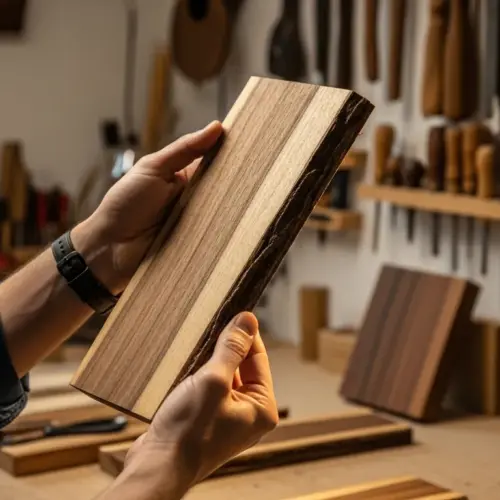
The grain pattern of ash can also vary significantly, from tight, straight grains to more open and figured patterns. These variations not only affect the wood’s appearance but can also influence its resonance and sustain.
Figured ash, with its swirling or flame-like patterns, is highly prized for its aesthetic appeal and is often used for the tops of guitars. The unique visual character of figured ash adds a touch of elegance and sophistication to the instrument.
The Tonal Qualities of Ash in Guitars
The tonal qualities of ash are often described as bright, airy, and resonant, with a balanced frequency response. Depending on the specific type of ash, the tonal characteristics can vary, offering luthiers a range of options to achieve different sonic goals.
Swamp ash tonewood typically produces a warm, sweet tone with a pronounced emphasis on the low and high frequencies. This scooped midrange makes it well-suited for guitars that need clarity and articulation, particularly in clean or slightly overdriven settings.
Hard ash guitar, with its higher density, tends to deliver a brighter, more focused tone with a stronger midrange presence. This makes it ideal for instruments that require punch and definition, especially in rock and blues genres.
Overall, ash provides a versatile tonal palette that can be tailored to suit a variety of playing styles and musical genres. Its responsiveness and dynamic range make it a favorite among guitarists who appreciate nuanced and expressive instruments.
The open grain structure of ash also contributes to its unique tonal characteristics. This allows the wood to breathe and vibrate more freely, resulting in a more resonant and lively sound.
The balanced frequency response of ash makes it a versatile choice for a wide range of musical styles. Whether you’re playing delicate fingerstyle melodies or aggressive rock riffs, ash can deliver a clear and articulate tone.
The sustain of ash guitars is also noteworthy, providing a long and ringing tone that is ideal for expressive playing. This sustain is particularly noticeable in solid-body electric guitars, where the wood’s resonance is amplified by the pickups.
Ultimately, the tonal qualities of ash are a result of its unique cellular structure and density. These factors combine to create a tonewood that is both responsive and versatile, making it a favorite among luthiers and guitarists alike.
Workability and Finishing Techniques for Ash
Ash is generally considered a relatively easy wood to work with, making it a favorite among luthiers. Its straight grain and consistent density allow for clean cuts and smooth shaping, whether using hand tools or power tools.
However, ash can sometimes be prone to tear-out, especially when working against the grain, so sharp tools and careful technique are essential. Proper sanding and preparation are crucial for achieving a flawless finish on ash.
| Property | Swamp Ash | Hard Ash |
|---|---|---|
| Density | Lower | Higher |
| Weight | Lighter | Heavier |
| Grain | Open | Closed |
| Workability | Easier | Slightly more challenging |
| Typical Finish | Transparent to highlight grain | Opaque or transparent |
Ash readily accepts a variety of finishes, including lacquer, polyurethane, and oil-based finishes. Transparent finishes are often preferred to showcase the wood’s attractive grain patterns, while opaque finishes can be used to create a more uniform and colorful appearance.
The open grain of ash requires careful filling before applying a finish, especially if a smooth, glass-like surface is desired. Grain fillers help to level the surface and prevent the finish from sinking into the wood’s pores over time.
Sanding ash is a crucial step in the finishing process, as it helps to remove any imperfections and create a smooth, even surface. Starting with a coarser grit sandpaper and gradually moving to finer grits will ensure a professional-looking finish.
When applying a finish to ash, it’s important to use thin, even coats to avoid runs or drips. Allowing each coat to dry completely before applying the next will result in a more durable and attractive finish.
The choice of finish can also affect the tonal characteristics of the guitar. Thinner finishes, such as lacquer or oil, tend to allow the wood to vibrate more freely, resulting in a more resonant and lively sound.
Ash in Electric Guitars: A Historical Perspective
Ash has a long and storied history in the world of electric guitars, particularly in the Fender instruments of the 1950s and 1960s. Many iconic guitars from this era, including the Telecaster and Stratocaster, were crafted from ash, contributing to their distinctive sound and appearance.
Swamp ash tonewood was particularly prized for its lightweight and resonant qualities, making it ideal for solid-body electric guitars. Its ability to deliver a balanced tone with clear articulation helped define the sound of early rock and roll and blues music.
As the demand for ash increased, luthiers also began using hard ash guitar, especially for instruments that required a brighter, more aggressive tone. Hard ash became a popular choice for heavier rock and metal guitars, providing the necessary punch and sustain for high-gain amplifiers.
Today, ash remains a popular choice for electric guitar bodies, with many modern luthiers continuing to utilize its unique tonal and aesthetic qualities. Its historical significance and proven performance make it a reliable and respected tonewood in the electric guitar world.
The use of ash in early Fender guitars helped to establish the “California sound” that is still associated with these instruments today. The bright, clear tone of ash, combined with the innovative designs of Leo Fender, created a new standard for electric guitar performance.
Many legendary guitarists have relied on ash-bodied guitars to create their signature sounds. From the twangy Telecasters of country music to the searing Stratocasters of rock and blues, ash has played a vital role in shaping the history of electric guitar music.
The versatility of ash has also made it a popular choice for custom guitar builders, who can tailor the wood’s tonal characteristics to meet the specific needs of their clients. This allows guitarists to create instruments that are perfectly suited to their playing style and musical preferences.
Even with the emergence of new tonewoods and construction techniques, ash continues to hold its own as a top choice for electric guitar bodies. Its combination of tone, workability, and historical significance ensures that it will remain a beloved material for luthiers and guitarists for years to come.
Comparing Swamp Ash and Hard Ash
Swamp ash and hard ash each offer distinct advantages and disadvantages for guitar construction. Understanding these differences is crucial for selecting the right ash for your specific needs and preferences.
Swamp ash tonewood is known for its lightweight, resonant qualities, and warm, balanced tone. It is often preferred for guitars that require clarity, articulation, and a vintage-inspired sound.
- Lighter weight for comfortable playing
- Warm, balanced tone with scooped midrange
- Excellent resonance and sustain
- Open grain pattern for attractive finishes
- Ideal for vintage-style guitars
Hard ash guitar, on the other hand, is denser, heavier, and brighter sounding. It is often chosen for guitars that need punch, definition, and a more modern, aggressive tone.
Hard ash’s increased density contributes to a tighter, more focused sound, making it well-suited for high-gain applications. The stronger midrange presence helps the guitar cut through the mix and deliver a powerful, assertive tone.
While swamp ash is generally easier to work with due to its softer density, hard ash can be more resistant to dents and scratches. This makes it a more durable choice for guitars that are subjected to heavy use or travel frequently.
The choice between swamp ash and hard ash often comes down to personal preference and the desired tonal characteristics of the guitar. Experimenting with both types of ash can help you determine which one best suits your playing style and musical needs.
Some luthiers even combine swamp ash and hard ash in the same guitar to create a hybrid tonal palette. This approach allows them to blend the warmth and resonance of swamp ash with the brightness and punch of hard ash, resulting in a versatile and expressive instrument.
Sourcing and Selecting Ash Tonewood
Sourcing high-quality ash tonewood is essential for building a great-sounding and visually appealing guitar. When selecting ash, consider factors such as the wood’s density, grain pattern, and moisture content.
Look for ash that is straight-grained, free from knots or defects, and properly dried to minimize the risk of warping or cracking. Reputable tonewood suppliers can provide ash that is specifically graded for luthierie, ensuring consistent quality and performance.
Consider the origin of the ash, as different regions may produce ash with slightly different characteristics. For example, swamp ash from the Louisiana bayous may have a different density and tonal profile compared to swamp ash from the Carolinas.
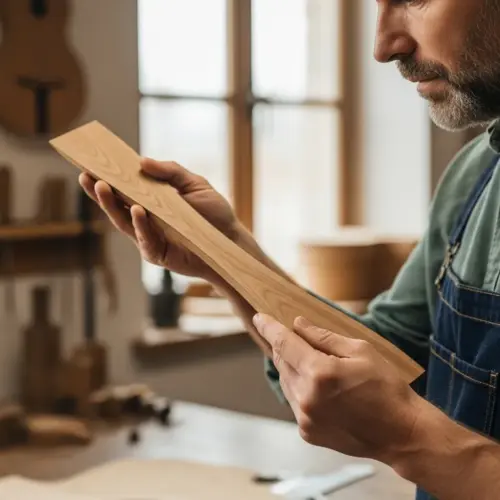
When possible, inspect the ash in person to assess its visual appeal and overall quality. Pay attention to the wood’s color, grain pattern, and any unique figuring that might enhance the guitar’s aesthetic value.
The moisture content of ash is a critical factor to consider, as wood that is too wet or too dry can be prone to warping or cracking. Ideally, ash tonewood should have a moisture content of around 6-8% for optimal stability.
When sourcing ash, it’s important to work with suppliers who understand the specific needs of luthiers and can provide wood that is properly prepared for guitar construction. This includes kiln-drying the wood to the appropriate moisture content and grading it for defects and grain orientation.
The grain pattern of ash can also provide valuable information about its tonal characteristics. Straight, tight grains generally indicate a more consistent and predictable tone, while wider or more irregular grains can result in a more complex and nuanced sound.
Ultimately, selecting ash tonewood is a matter of personal preference and the desired tonal and aesthetic qualities of the guitar. Taking the time to carefully inspect and evaluate different pieces of ash will ensure that you choose the best possible material for your project.
The Environmental Impact of Ash Tonewood
It’s important to consider the environmental impact of sourcing ash tonewood. Ash trees in North America are currently under threat from the emerald ash borer, an invasive insect that has devastated ash populations across the continent.
Sustainable sourcing practices are crucial to ensure the long-term availability of ash for luthierie. Look for ash that is harvested from sustainably managed forests or salvaged from urban trees that have been removed due to disease or development.
Some luthiers are exploring alternative tonewoods that can serve as replacements for ash, reducing the demand on vulnerable ash populations. These alternatives may include other hardwoods like alder, poplar, or even reclaimed wood from various sources.
By making informed choices about tonewood sourcing, luthiers and guitar players can help protect ash forests and promote sustainable practices in the music industry. Supporting responsible forestry and exploring alternative tonewoods are essential steps towards a more environmentally conscious approach to guitar building.
The emerald ash borer has had a devastating impact on ash trees across North America, killing millions of trees and threatening the long-term viability of ash forests. This has raised concerns about the sustainability of using ash as a tonewood.
Sustainable forestry practices can help to mitigate the impact of the emerald ash borer by promoting healthy forest ecosystems and reducing the spread of the insect. This includes selective harvesting, replanting, and monitoring ash populations for signs of infestation.
Salvaging ash from urban trees that have been removed due to disease or development is another way to reduce the demand on wild ash populations. This involves harvesting the wood from trees that would otherwise be discarded and using it for luthierie and other applications.
Exploring alternative tonewoods is also a crucial step towards a more sustainable approach to guitar building. Many other hardwoods, such as alder, poplar, and maple, offer similar tonal characteristics to ash and can be sourced from sustainably managed forests.
Ash Wood Properties: Beyond the Guitar
Ash wood’s unique properties extend beyond its use in guitars, making it valuable in various other applications. Its strength, flexibility, and shock resistance make it ideal for tool handles, baseball bats, and furniture.
The same characteristics that make ash a great tonewood also contribute to its suitability for these diverse uses. Its ability to absorb vibrations and withstand stress makes it a reliable and durable material for demanding applications.
In furniture making, ash is often used for chairs, tables, and cabinets, prized for its attractive grain patterns and ability to take a variety of finishes. Its light color and smooth texture make it a versatile choice for both modern and traditional designs.
Historically, ash was also used for making bows and arrows, wagon wheels, and other items that required strength and flexibility. Its long, straight grain and ability to be bent without breaking made it a valuable resource for early craftsmen and artisans.
The shock-absorbing properties of ash make it an ideal material for tool handles, reducing the impact on the user’s hands and arms. This is particularly important for tools that are used for prolonged periods of time, such as hammers, axes, and shovels.
In sports equipment, ash is prized for its combination of strength, flexibility, and lightweight. Baseball bats made from ash offer a good balance of power and control, allowing players to hit the ball with both force and accuracy.
The attractive grain patterns of ash make it a popular choice for decorative applications, such as veneer and trim. Its light color and smooth texture provide a neutral backdrop for highlighting the wood’s natural beauty.
The versatility and durability of ash have made it a valuable resource for centuries, and its unique properties continue to be appreciated in a wide range of applications today. From guitars to furniture to tool handles, ash remains a reliable and versatile material for demanding applications.
Innovations in Ash Guitar Design
Luthiers are constantly exploring new ways to utilize ash in guitar design, pushing the boundaries of traditional construction techniques. From chambered ash bodies to hybrid tonewood combinations, innovative approaches are unlocking new sonic possibilities.
Chambering involves removing wood from specific areas of the guitar body to reduce weight and enhance resonance. This technique can be particularly effective with ash, creating a lighter, more responsive instrument with improved sustain and clarity.
Hybrid tonewood combinations involve pairing ash with other woods, such as mahogany, maple, or walnut, to create unique tonal characteristics. For example, an ash body with a maple top can provide a blend of warmth, brightness, and sustain, offering a versatile sonic palette for guitarists.
Other innovations include using roasted ash, a process that involves heating the wood to remove moisture and enhance its stability and resonance. Roasted ash often has a richer, more complex tone and a distinctive caramel color, making it a popular choice for high-end guitars.
The use of multi-scale or fanned-fret designs is also becoming more common in ash guitars. This design improves intonation and allows for a longer scale length on the bass strings, resulting in a more balanced and powerful sound.
Luthiers are also experimenting with different bracing patterns in ash guitars to optimize their resonance and sustain. Innovative bracing techniques can help to distribute vibrations more evenly across the guitar’s top, resulting in a more responsive and lively sound.
The use of carbon fiber reinforcement is another innovation that is gaining popularity in ash guitars. Carbon fiber can be used to stiffen the neck and body of the guitar, improving its stability and sustain.
These innovations demonstrate the ongoing commitment of luthiers to push the boundaries of guitar design and unlock the full potential of ash as a tonewood. By combining traditional techniques with new technologies, they are creating instruments that are both beautiful and sonically exceptional.
Conclusion
Ash tonewood continues to be a valuable and versatile material for guitar making, offering a unique blend of tonal qualities, workability, and aesthetic appeal. Whether you prefer the warm, balanced tone of swamp ash or the brighter, more focused sound of hard ash, this tonewood provides a range of options for creating exceptional instruments.
By understanding the different types of ash, their properties, and their historical significance, luthiers and guitar players can make informed choices about their instruments. Embracing sustainable sourcing practices and exploring innovative design techniques will ensure that ash remains a cherished tonewood for generations to come.
The future of ash in guitar making depends on our collective efforts to protect ash forests and promote sustainable practices. By supporting responsible forestry and exploring alternative tonewoods, we can help to ensure that this valuable resource remains available for future generations of luthiers and guitar players.
Ultimately, the beauty and versatility of ash make it a timeless choice for guitar construction. Its unique tonal qualities, workability, and aesthetic appeal will continue to inspire luthiers and guitar players for years to come, ensuring that ash remains a cherished tonewood in the world of music.