

For guitar builders and luthiers, the selection of tonewood is paramount. It dictates not only the aesthetic appeal of the instrument but also its sonic characteristics.
Among the myriad of options available, butternut tonewood guitar stands out as a unique and often overlooked choice, offering a distinctive blend of qualities that can contribute to an exceptional instrument.
This comprehensive guide will explore the various aspects of butternut as a tonewood, shedding light on its benefits, tonal properties, workability, and applications in guitar construction. We’ll also compare it to other popular tonewoods like walnut, helping you make an informed decision for your next project.
Whether you’re a seasoned luthier or a budding guitar builder, understanding the nuances of butternut tonewood guitar can open up new possibilities in your craft. Let’s embark on this exploration to uncover the potential of butternut in creating instruments with character and distinction.
The Benefits of Using Butternut in Guitar Construction
Butternut, often referred to as white walnut, offers a range of advantages that make it an appealing option for guitar construction. Its lightweight nature is one of its most notable assets.
This characteristic can be particularly beneficial in crafting instruments that are comfortable to hold and play for extended periods. A lighter guitar can also enhance resonance, allowing the instrument to vibrate more freely and produce a more open sound.
Beyond its weight, butternut is known for its ease of workability. It’s a relatively soft hardwood that responds well to both hand tools and power tools.
This makes it easier to shape, carve, and sand, reducing the risk of chipping or tearing during the construction process. The forgiving nature of butternut can be especially advantageous for novice luthiers who are still developing their skills.
Butternut is also relatively stable, meaning it’s less prone to warping or cracking than some other tonewoods. This is crucial for maintaining the structural integrity of the instrument over time.
The stability of butternut ensures that the guitar’s neck remains straight and the body retains its shape, contributing to consistent playability and intonation. This is a significant advantage, particularly in environments with fluctuating humidity levels.
Another benefit of using butternut is its availability and cost-effectiveness compared to some of the more exotic tonewoods. While it may not be as readily available as mahogany or maple, it’s generally easier to source than woods like Brazilian rosewood or koa.
This makes it a more accessible option for builders who are working on a budget or who are looking for a sustainable alternative to endangered species. The cost savings can be passed on to the customer, making butternut guitars a more affordable option for musicians.
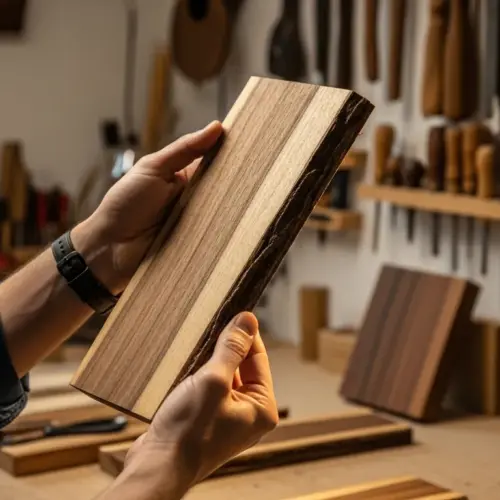
Finally, butternut offers a unique aesthetic appeal with its light color and subtle grain patterns. It can be easily stained or finished to achieve a variety of looks, from a natural, understated appearance to a more dramatic, eye-catching design.
This versatility allows luthiers to create instruments that are not only sonically pleasing but also visually stunning. The wood’s ability to take finishes well ensures that the guitar’s beauty will last for years to come.
Butternut’s Impact on Guitar Tone and Sustain
The tonal properties of butternut are often described as warm, balanced, and articulate. It tends to produce a sound that is rich in midrange frequencies, with a clear and defined character.
This makes it well-suited for a variety of musical styles, from fingerstyle acoustic to blues and even lighter rock genres. The wood’s ability to maintain clarity across different frequencies ensures that individual notes remain distinct, even in complex chords or fast-paced playing.
In terms of sustain, butternut offers a moderate level of resonance. It allows notes to ring out clearly without excessive prolongation, providing a controlled and focused sound.
This can be particularly desirable for players who prefer a more immediate response and a tighter, more defined tone. The moderate sustain also contributes to the overall balance of the instrument, preventing any one frequency range from overpowering the others.
The warmth of butternut contributes to a rounder, less harsh tone, making it a good choice for players who find brighter tonewoods like maple or ash too aggressive. It provides a smooth and mellow sound that is pleasing to the ear.
This warmth is particularly noticeable in the lower midrange frequencies, adding depth and richness to the guitar’s overall sound. The balanced frequency response ensures that no single frequency range dominates, resulting in a well-rounded and versatile tone.
The articulate nature of butternut allows for clear and precise note separation, even in complex chords or fast-paced playing. This is especially important for fingerstyle guitarists who rely on the clarity of individual notes to create intricate melodies.
The wood’s ability to maintain clarity across different frequencies ensures that each note is heard distinctly, without becoming muddy or indistinct. This articulation also contributes to the guitar’s overall responsiveness, allowing players to express themselves with greater nuance and control.
Butternut’s moderate sustain provides a controlled and focused sound, preventing notes from ringing out for too long and creating a muddy or indistinct tone. This is particularly beneficial for players who prefer a more immediate response and a tighter, more defined sound.
The controlled sustain also allows for greater rhythmic precision, as notes decay quickly and cleanly, without overlapping or interfering with subsequent notes. This makes butternut a good choice for players who value clarity and precision in their playing.
Workability and Finishing Considerations for Butternut
Butternut’s soft and consistent texture makes it a dream to work with for many luthiers. It cuts cleanly, sands easily, and takes glue well, simplifying the construction process.
However, its softness also means it’s more susceptible to dents and scratches, requiring careful handling throughout the building process. Here’s a table detailing butternut’s workability characteristics:
| Characteristic | Description | Considerations |
|---|---|---|
| Cutting | Clean and smooth | Sharp tools are essential to prevent fuzzing. |
| Sanding | Easy and uniform | Use progressively finer grits for a polished surface. |
| Gluing | Excellent adhesion | Ensure surfaces are clean and properly clamped. |
| Carving | Very workable | Take care to avoid tear-out in figured areas. |
When working with butternut, it’s crucial to use sharp tools to prevent tearing or fuzzing of the wood fibers. Dull tools can compress the wood rather than cutting it cleanly, resulting in a rough or uneven surface.
Regularly sharpening your tools will not only make the work easier but also improve the quality of the finished product. This is especially important when carving or shaping the wood, where precise cuts are essential.
Sanding butternut is relatively straightforward, but it’s important to use progressively finer grits to achieve a smooth and polished surface. Starting with a coarse grit and gradually moving to finer grits will remove any imperfections and create a uniform texture.
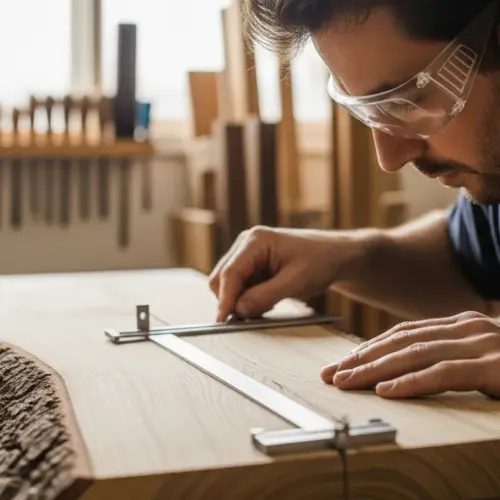
Be careful not to over-sand, as this can remove too much material and alter the shape of the wood. Regular checks with a straightedge or contour gauge can help ensure that the wood remains true to its intended shape.
Gluing butternut is generally easy, as the wood has excellent adhesion properties. However, it’s important to ensure that the surfaces are clean and free of dust or debris before applying the glue.
Proper clamping is also essential to ensure a strong and durable bond. Use clamps that are appropriate for the size and shape of the wood, and apply even pressure to all areas of the joint.
When finishing butternut, it’s important to choose a finish that will protect the wood from dents and scratches. A hard finish, such as lacquer or polyurethane, will provide a durable protective layer.
However, these finishes can also mask some of the wood’s natural warmth and texture. Oil finishes, such as tung oil or linseed oil, will enhance the wood’s natural beauty but provide less protection.
Butternut’s Common Applications in Guitar Building
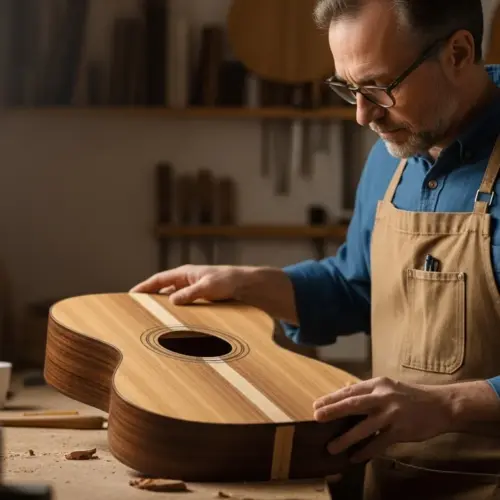
Butternut is most commonly used for the body of guitars, both acoustic and electric. Its lightweight and tonal characteristics make it a good choice for achieving a balanced sound.
However, it can also be used for necks, particularly in electric guitars where a lighter neck can improve playability. Here are some specific applications:
Butternut guitar body blanks are readily available from tonewood suppliers. These are typically bookmatched sets, meaning two pieces of wood are cut from the same board and joined together to create a symmetrical appearance.
Butternut can also be used for acoustic guitar tops, although this is less common due to its softer nature compared to spruce or cedar. When used for a top, it tends to produce a warmer, more mellow sound.
In electric guitar construction, butternut can be used for the entire body or as a top wood over a different body wood. This allows for a combination of tonal characteristics and aesthetic appeal.
For example, a butternut top over a mahogany body can provide a warm, balanced tone with a touch of brightness and sustain. The lightweight nature of butternut also makes it a good choice for larger-bodied guitars, such as hollow-body or semi-hollow-body instruments.
Butternut necks are less common due to the wood’s softness, but they can be used in electric guitars where a lighter neck is desired. A lighter neck can improve playability by reducing fatigue and making it easier to move around the fretboard.
However, it’s important to use a strong truss rod and potentially reinforce the neck with carbon fiber or other materials to prevent warping or bending. Butternut can also be used for smaller components, such as headstock veneers, control knobs, and pickup rings.
These smaller components can add a touch of elegance and visual interest to the guitar. The wood’s light color and subtle grain patterns make it a versatile choice for these applications.
When using butternut for acoustic guitar backs and sides, it’s often paired with a spruce or cedar top to create a balanced and responsive instrument. The butternut back and sides provide warmth and depth, while the spruce or cedar top provides clarity and projection.
This combination can be particularly well-suited for fingerstyle guitarists who value clarity and articulation. The specific combination of tonewoods will ultimately depend on the desired tonal characteristics and playing style.
Comparing Butternut to Walnut
Butternut and walnut are both popular choices for guitar building, but they offer distinct characteristics. Butternut is significantly lighter than walnut, making it more comfortable for some players.
Walnut, on the other hand, is denser and harder, resulting in a brighter, more resonant tone. Here’s a breakdown of their key differences:
- Weight: Butternut is lighter, walnut is heavier
- Tone: Butternut is warmer, walnut is brighter
- Workability: Butternut is easier to work, walnut requires more effort
- Appearance: Butternut is lighter in color, walnut is darker with more pronounced grain
- Cost: Butternut is generally less expensive than walnut
The weight difference between butternut and walnut can be significant, especially for larger-bodied guitars. A lighter guitar can be more comfortable to hold and play for extended periods, reducing fatigue and improving playability.
This is particularly important for players who perform regularly or who have physical limitations. Walnut’s heavier weight can contribute to a more solid and substantial feel, which some players may prefer.
The tonal differences between butternut and walnut are also notable. Butternut’s warmer tone is often described as mellow and smooth, with a rich midrange and a clear, articulate high end.
Walnut’s brighter tone is characterized by a more pronounced high end and a tighter, more focused low end. This makes walnut a good choice for players who want a more cutting and aggressive sound.
Butternut’s ease of workability makes it a good choice for novice luthiers or those who prefer to work with hand tools. Its softer texture allows it to be shaped, carved, and sanded with relative ease.
Walnut, being a harder wood, requires more effort and skill to work with. It can be more challenging to shape and carve, and it’s more prone to chipping or tearing.
The appearance of butternut and walnut is also quite different. Butternut is typically light in color, ranging from creamy white to pale yellow, with subtle grain patterns.
Walnut is darker in color, ranging from chocolate brown to reddish-brown, with more pronounced and dramatic grain patterns. The choice between these two woods will depend on the desired aesthetic appeal of the guitar.
Identifying and Selecting Quality Butternut
When selecting butternut for guitar building, there are several factors to consider to ensure you’re getting a quality piece of wood. Look for boards that are straight-grained and free from knots or other defects.
The color should be consistent throughout the board, and the wood should feel dry and stable. Here are some tips for identifying good butternut:
Pay attention to the grain orientation. For guitar bodies, quarter-sawn wood is generally preferred as it’s more stable and less prone to warping.
Check for any signs of insect damage or rot. Even small imperfections can compromise the structural integrity of the wood.
Consider the moisture content. Wood that is too wet or too dry can be difficult to work with and may lead to problems down the road.
Source your butternut from a reputable supplier. They can provide you with information about the wood’s origin and drying process.
Straight grain is a key indicator of stability and strength in tonewood. Avoid boards with wild or irregular grain patterns, as these can be more prone to warping or cracking.
The straighter the grain, the more consistent the wood will be in terms of its tonal properties and workability. A straight-grained board will also be easier to split and shape, making it ideal for guitar building.
Knots and other defects can significantly weaken the wood and compromise its structural integrity. Avoid boards with large or numerous knots, as these can create weak spots in the wood.
Small pin knots may be acceptable, but they should be carefully inspected to ensure that they are tight and stable. Any cracks or splits in the wood should also be avoided, as these can worsen over time.
Consistent color is another indicator of quality in butternut. Look for boards that have a uniform color throughout, without any significant variations or discoloration.
Variations in color can indicate differences in density or moisture content, which can affect the wood’s tonal properties and workability. A consistent color suggests that the wood has been properly dried and stored.
The moisture content of the wood is crucial for its stability and workability. Wood that is too wet can be difficult to work with and may shrink or warp as it dries.
Wood that is too dry can be brittle and prone to cracking. A moisture meter can be used to measure the moisture content of the wood, and it should ideally be between 6% and 8% for guitar building.
Finishing Techniques to Enhance Butternut’s Beauty
Butternut’s light color and subtle grain pattern make it a versatile canvas for a variety of finishes. Oil finishes, such as tung oil or linseed oil, can enhance the wood’s natural warmth and bring out its delicate figure.
These finishes penetrate the wood, providing a soft, satin sheen that feels smooth to the touch. For a more durable and glossy finish, lacquer or polyurethane can be applied.
These finishes create a protective layer on the surface of the wood, guarding against scratches and moisture. However, they can also mask some of the wood’s natural texture and warmth.
Staining can be used to add depth and richness to butternut’s color. Lighter stains, such as amber or honey, can enhance its warmth, while darker stains, such as walnut or mahogany, can create a more dramatic contrast.
Oil finishes are a popular choice for butternut because they enhance the wood’s natural beauty without adding a thick, artificial-looking layer. Tung oil and linseed oil penetrate the wood fibers, nourishing and protecting them from within.
These finishes also provide a soft, satin sheen that feels smooth and natural to the touch. They are relatively easy to apply and maintain, making them a good choice for both novice and experienced luthiers.
Lacquer and polyurethane finishes offer a more durable and glossy finish, providing a higher level of protection against scratches and moisture. These finishes create a hard, protective layer on the surface of the wood, making it more resistant to wear and tear.
However, they can also mask some of the wood’s natural texture and warmth, giving the guitar a more artificial look. Lacquer and polyurethane finishes require more skill and experience to apply properly, as they can be prone to runs and drips.
Staining can be used to add depth and richness to butternut’s color, allowing you to customize the look of the guitar to your liking. Lighter stains, such as amber or honey, can enhance the wood’s natural warmth and bring out its delicate figure.
Darker stains, such as walnut or mahogany, can create a more dramatic contrast and give the guitar a more sophisticated look. When staining butternut, it’s important to apply the stain evenly and wipe off any excess to prevent blotching.
A clear coat of lacquer or polyurethane can be applied over the stain to protect it and add a glossy sheen. The choice of finish will depend on the desired aesthetic and the level of protection required.
Consider using a grain filler before applying the finish to create a smoother surface. Butternut, like many open-pored woods, can benefit from grain filling to prevent the finish from sinking into the pores and creating an uneven surface.
Addressing Potential Challenges with Butternut
While butternut offers many benefits, it’s important to be aware of its potential drawbacks. Its softness makes it more susceptible to dents and scratches compared to harder tonewoods.
This means that extra care must be taken during the construction and finishing processes to protect the wood from damage. Additionally, butternut can be more prone to tear-out when worked with dull tools or against the grain.
Using sharp tools and taking light passes can help minimize this issue. Another potential challenge is butternut’s availability, which can be more limited compared to more common tonewoods like mahogany or maple.
Sourcing butternut from a reputable supplier who specializes in tonewoods can help ensure you’re getting a high-quality piece of wood. Finally, butternut’s lighter color can make it more prone to discoloration over time.
The softness of butternut requires careful handling throughout the entire guitar building process. Avoid dropping or bumping the wood against hard surfaces, as this can easily cause dents or scratches.
Use padded clamps and work surfaces to protect the wood from damage during gluing and assembly. When sanding, be careful not to over-sand, as this can remove too much material and alter the shape of the wood.
Tear-out can be a common problem when working with butternut, especially when cutting against the grain. Using sharp tools and taking light passes can help minimize this issue. A backer board can also be used to support the wood and prevent it from tearing out.
When routing or shaping the wood, use a climb-cutting technique to reduce the risk of tear-out. This involves feeding the wood into the cutter in the opposite direction of its rotation.
The limited availability of butternut can make it more challenging to source than other tonewoods. Contacting several suppliers and comparing prices can help you find the best deal. Consider purchasing butternut in larger quantities to save money and ensure that you have enough wood for your project.
Working with a reputable supplier who specializes in tonewoods can ensure that you’re getting a high-quality piece of wood that has been properly dried and stored. They can also provide you with information about the wood’s origin and properties.
Butternut’s lighter color can make it more prone to discoloration over time, especially if it’s exposed to sunlight or moisture. Applying a finish with UV protection can help prevent discoloration and keep the wood looking its best.
Regular cleaning and polishing can also help protect the wood from discoloration. Avoid using harsh chemicals or abrasive cleaners, as these can damage the finish and accelerate the discoloration process.
Examples of Guitars Made with Butternut
While not as widely used as some other tonewoods, butternut has found its way into the hands of discerning luthiers and guitar builders. Several custom guitar makers have utilized butternut for its unique tonal and aesthetic qualities.
These instruments often showcase the wood’s warm, balanced sound and its ability to complement a variety of playing styles. Some notable examples include acoustic guitars with butternut backs and sides, which offer a mellow and articulate tone.
Electric guitars with butternut bodies are also gaining popularity, prized for their lightweight and comfortable feel. These guitars often exhibit a clear and focused sound that is well-suited for blues, jazz, and lighter rock genres.
By exploring these examples, you can gain a better understanding of the potential of butternut in creating instruments with character and distinction. The specific guitars highlight the versatility of butternut tonewood guitar.
Some luthiers have used butternut for the backs and sides of flattop acoustic guitars, pairing it with a spruce or cedar top. These guitars tend to have a warm, balanced tone with good projection and clarity.
The butternut adds a touch of warmth and sweetness to the sound, while the spruce or cedar top provides the necessary brightness and projection. This combination is often favored by fingerstyle guitarists who appreciate a balanced and articulate tone.
Electric guitar builders have also experimented with butternut bodies, often using it as a lightweight alternative to mahogany or ash. These guitars tend to have a warm, resonant tone with good sustain and clarity.
The butternut body provides a solid foundation for the pickups and hardware, while the lightweight nature of the wood makes the guitar more comfortable to play for extended periods. This combination is often favored by blues and jazz guitarists who appreciate a warm, versatile tone.
Some builders have even used butternut for the necks of electric guitars, although this is less common due to the wood’s softness. When used for a neck, butternut can provide a comfortable and fast-playing feel.
However, it’s important to use a strong truss rod and potentially reinforce the neck with carbon fiber or other materials to prevent warping or bending. This combination is often favored by shredders and other high-performance guitarists who value speed and comfort.
Exploring examples of guitars made with butternut can provide valuable insights into its tonal and aesthetic potential. By listening to recordings and reading reviews, you can get a better sense of how butternut sounds in different contexts.
Examining photographs and videos can also give you a better appreciation for the wood’s unique visual characteristics. Ultimately, the best way to determine if butternut is right for you is to try out a guitar made with it firsthand.
Conclusion
Butternut tonewood guitar presents a compelling option for luthiers and guitar builders seeking a unique blend of tonal and practical qualities. Its lightweight nature, ease of workability, and warm, balanced tone make it a worthy contender in the world of tonewoods.
While it may not be as ubiquitous as some other choices, its distinctive characteristics can contribute to the creation of exceptional instruments. By understanding the nuances of butternut and carefully considering its applications, you can unlock its potential to craft guitars with character and distinction, offering players a truly unique sonic experience.
The unique combination of characteristics offered by butternut makes it a compelling choice for builders seeking something different. Its warm tone, light weight, and ease of working make it a versatile option for a variety of guitar styles.
While it may not be the perfect choice for every application, its distinctive qualities can contribute to the creation of exceptional instruments that stand out from the crowd. By carefully considering its strengths and weaknesses, luthiers can unlock the full potential of butternut and create guitars that are both sonically and visually stunning.
The sustainability of butternut is another factor that makes it an appealing choice for environmentally conscious builders. As a readily available and renewable resource, butternut offers a more sustainable alternative to some of the more exotic and endangered tonewoods.
By choosing butternut, luthiers can help protect these precious resources and contribute to a more sustainable future for guitar building. This commitment to sustainability can also resonate with customers who are increasingly concerned about the environmental impact of their purchases.
Ultimately, the decision to use butternut as a tonewood is a personal one that depends on the builder’s individual preferences and goals. However, by understanding its unique characteristics and carefully considering its applications, luthiers can unlock its potential to create guitars with character and distinction.
Whether you’re a seasoned professional or a budding enthusiast, exploring the possibilities of butternut can open up new avenues for creativity and innovation in your craft. So, take a chance on butternut and discover the unique sonic and aesthetic qualities it has to offer.