
Sassafras, known for its aromatic bark and roots, is more than just a source of tea. It’s also gaining recognition as a unique tonewood in the world of guitar making. But can a tree famous for flavoring root beer actually contribute to the sound of a musical instrument?
The answer is a resounding yes, with sassafras offering a distinct set of tonal and workability characteristics that set it apart from more traditional tonewoods. This article will explore the use of sassafras tonewood guitar construction, examining its properties, sound profile, and suitability for different types of instruments.
Whether you’re a luthier searching for a new sonic palette or a guitarist curious about alternative tonewoods, this guide will provide valuable insights into the world of sassafras and its potential in crafting exceptional musical instruments. We’ll also compare it to other popular choices, helping you understand where sassafras shines and where it might not be the best fit.
What Makes Sassafras a Unique Tonewood?
Sassafras wood properties contribute to its appeal as a tonewood. It’s a relatively lightweight wood, which can result in a guitar with good resonance and responsiveness.
The density of sassafras is similar to that of alder or poplar, making it a comfortable choice for guitar builders familiar with these species. However, sassafras distinguishes itself with its inherent stiffness, surpassing that of many other lightweight woods.
This stiffness-to-weight ratio is a key factor in determining a tonewood’s ability to transmit sound vibrations efficiently. A stiff top will vibrate more freely, resulting in a louder and more sustained tone.
Another unique aspect of sassafras is its aromatic oil content. This natural oil not only gives the wood its characteristic fragrance but also contributes to its stability and resistance to moisture.
The lightweight nature of sassafras is particularly advantageous for acoustic guitars. It allows the top to vibrate more freely, enhancing the instrument’s overall volume and projection.

The stiffness of sassafras, despite its light weight, contributes to a clear and focused tone. This helps to prevent the sound from becoming muddy or indistinct, especially in the lower frequencies.
The aromatic oils present in sassafras not only add to its unique character but also offer practical benefits. These oils help to protect the wood from environmental factors, extending the lifespan of the instrument.
Furthermore, the oil content can influence the wood’s response to different finishes. Luthiers may need to adjust their finishing techniques to account for the presence of these natural oils.
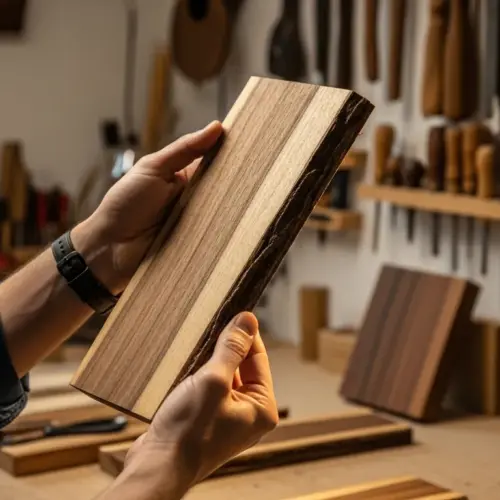
Sassafras also exhibits a unique grain pattern that can be visually appealing. The grain can range from straight and consistent to more figured patterns, adding to the aesthetic value of the guitar.
The Sound Profile of Sassafras in Guitars
The sassafras guitar sound is often described as balanced and articulate. It offers a clear fundamental tone with a moderate amount of overtones, making it suitable for a wide range of musical styles.
Players report that sassafras provides a focused sound, emphasizing clarity and note separation. This characteristic is particularly useful for fingerstyle guitarists or those who prefer a clean, defined tone.
Compared to warmer tonewoods like mahogany, sassafras has a brighter and more immediate response. This brightness doesn’t translate to harshness, however, as the wood also possesses a certain sweetness in its upper frequencies.
The overall tonal character of sassafras can be likened to a blend of ash and walnut, offering a versatile platform for various playing techniques. It responds well to both delicate fingerpicking and aggressive strumming, making it a flexible choice for diverse musical applications.
The balance of clarity and warmth in sassafras makes it a good choice for recording. Its articulate nature allows each note to be heard distinctly, while its warmth prevents the sound from becoming sterile or clinical.
Sassafras guitars often exhibit a strong dynamic range. They can respond sensitively to subtle changes in playing intensity, making them expressive instruments for nuanced performances.
The focused sound of sassafras can also be beneficial in ensemble settings. It helps the guitar cut through the mix without overpowering other instruments.
While sassafras is generally considered a versatile tonewood, it may be particularly well-suited for certain musical genres. Folk, blues, and fingerstyle acoustic music often benefit from the clarity and articulation that sassafras provides.
Electric guitars made with sassafras bodies tend to have a balanced and responsive tone. They offer a good platform for a variety of pickups and playing styles.
Workability and Finishing of Sassafras Tonewood
Sassafras is generally considered a user-friendly tonewood for luthiers. It machines well, holding crisp edges and accepting glue readily.
The wood’s consistent grain structure also contributes to its ease of workability. However, its moderate hardness requires sharp tools to avoid tear-out during shaping and carving.
| Property | Description | Benefit for Luthiers |
|---|---|---|
| Machining | Machines cleanly, holds edges well | Reduces chipping and splintering |
| Gluing | Accepts glue readily | Strong, reliable joints |
| Sanding | Sands smoothly | Easy to achieve a flawless surface |
| Finishing | Takes finishes evenly | Consistent color and sheen |
Sassafras takes finishes well, displaying a smooth and even surface after sanding. Its light color allows for a wide range of finishing options, from natural oil finishes to vibrant stains and lacquers.
The ease of machining sassafras can save luthiers time and effort. This is particularly important for intricate carving and shaping tasks.
The consistent grain structure of sassafras helps to ensure uniform sanding. This results in a smooth and even surface that is ideal for finishing.
The light color of sassafras provides a blank canvas for creative finishing techniques. Luthiers can use stains and dyes to achieve a wide range of colors and effects.
The wood’s ability to accept glue readily is crucial for creating strong and durable joints. This is essential for the structural integrity of the guitar.
While sassafras is relatively easy to work with, it’s still important to use proper safety precautions. Wear appropriate protective gear, such as a dust mask and eye protection, when machining or sanding the wood.
Comparing Sassafras to Other Tonewoods
When considering sassafras as a tonewood, it’s helpful to compare it to more established options. Each wood brings its own unique sonic characteristics to the table.
Compared to mahogany, sassafras offers a brighter and more articulate tone. Mahogany is known for its warm, mellow sound with a strong emphasis on the fundamental frequencies.
Sassafras, on the other hand, provides a more balanced response across the frequency spectrum, with a slightly scooped midrange. This makes it a good choice for players who want clarity and definition in their sound.
Compared to maple, sassafras has a warmer and more complex tonal character. Maple is known for its bright, focused sound with excellent projection.
While sassafras shares some of maple’s clarity, it also possesses a certain warmth and richness that maple sometimes lacks. This gives sassafras a more versatile sound that can work well in a variety of musical styles.
Compared to alder, sassafras boasts a stiffer and more resonant response. Alder is frequently used in electric guitar bodies for its balanced tone and light weight.
The stiffer nature of sassafras can contribute to a more focused and defined tone compared to alder. This can be particularly beneficial for players who want a clear and articulate sound.
Mahogany is often preferred for its warm and sustain-rich tone, making it ideal for blues and rock. Sassafras provides a clearer, more defined tone suitable for fingerstyle and intricate playing.
Maple’s brightness and sustain make it a favorite for lead guitarists, especially in rock and metal. Sassafras offers a more balanced tone, suitable for rhythm playing and a wider range of genres.
Alder is known for its balanced and neutral tone, making it a versatile choice for various playing styles. Sassafras offers a similar versatility but with a slightly brighter and more articulate character.
Common Uses of Sassafras in Guitar Construction
Sassafras is finding its way into various aspects of guitar construction. Its unique properties make it suitable for different parts of the instrument.
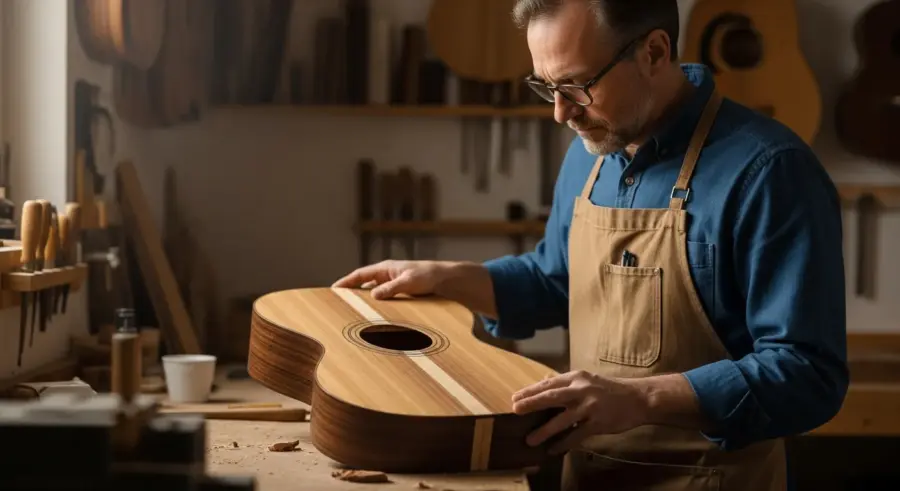
One of the most common applications of sassafras is in guitar tops. Its stiffness and lightweight nature contribute to a responsive and resonant soundboard.
Luthiers are also experimenting with sassafras for guitar bodies. Its balanced tonal character and comfortable weight make it a viable alternative to traditional body woods like alder and ash.
Sassafras can also be used for necks, although it’s less common than maple or mahogany. When used for necks, it can provide a smooth and comfortable playing experience.
Using sassafras for guitar tops can result in instruments with excellent projection. The wood’s stiffness allows the top to vibrate efficiently, amplifying the sound.
Sassafras bodies can offer a comfortable playing experience due to the wood’s light weight. This is particularly beneficial for players who prefer lighter instruments.
Sassafras necks can provide a smooth and fast playing surface. The wood’s consistent grain structure contributes to a comfortable feel.
Some luthiers are using sassafras for bracing. This can help to fine-tune the guitar’s tone and response.
Sassafras can also be used for decorative elements, such as headstock overlays and binding. Its unique grain patterns can add to the aesthetic appeal of the instrument.
Sourcing and Grading Sassafras Tonewood
Sourcing high-quality sassafras tonewood requires careful attention to detail. Look for reputable suppliers who specialize in tonewoods.
These suppliers typically have experience in selecting and preparing wood specifically for musical instrument construction. When selecting sassafras, consider these factors.
- Straight grain
- Quarter-sawn orientation
- Consistent density
- Absence of knots or blemishes
- Proper drying and seasoning
Grading sassafras tonewood involves assessing its visual and structural qualities. Tonewood is graded based on its cosmetic appearance and structural integrity.
Reputable tonewood suppliers often have established relationships with sawmills and foresters. This ensures a reliable supply of high-quality sassafras.
Straight grain is essential for structural stability and even sound transmission. Avoid pieces with excessive runout or irregular grain patterns.
Quarter-sawn wood is more resistant to warping and cracking. This is crucial for maintaining the integrity of the instrument over time.
Consistent density ensures uniform tonal response across the entire soundboard. Variations in density can lead to uneven sound projection.
Proper drying and seasoning are essential for removing excess moisture from the wood. This prevents warping and cracking after the instrument is built.
The Sustainability of Sassafras as a Tonewood
As with any natural resource, sustainability is a crucial consideration when using sassafras as a tonewood. Responsible sourcing practices are essential to ensure the long-term availability of this unique material.
Look for suppliers who practice sustainable forestry management. This ensures that sassafras trees are harvested in a way that minimizes environmental impact and promotes forest regeneration.
Another aspect of sustainability is the efficient use of the wood itself. Luthiers can minimize waste by carefully planning their cuts and utilizing smaller pieces for smaller components like headstocks or bracing.
Exploring alternative finishing methods can also contribute to sustainability. Natural oil finishes, for example, are often more environmentally friendly than traditional lacquers.
Sustainable forestry management involves selective harvesting. This allows the forest to regenerate naturally and maintain its biodiversity.
Using smaller pieces of wood for components like bracing helps to reduce overall waste. This maximizes the use of each sassafras tree.
Natural oil finishes are often made from renewable resources. They also tend to emit fewer volatile organic compounds (VOCs) than traditional lacquers.
Supporting local and regional tonewood suppliers can also contribute to sustainability. This reduces the carbon footprint associated with transportation.
Consider using reclaimed or salvaged sassafras wood. This gives new life to wood that would otherwise be discarded.
Notable Guitar Makers Using Sassafras
While sassafras is not yet as widely adopted as some other tonewoods, several innovative guitar makers are exploring its potential. These luthiers are pushing the boundaries of traditional guitar construction.
Some boutique builders are using sassafras for custom instruments. These guitars showcase the wood’s unique tonal and aesthetic qualities.
Larger manufacturers are also starting to experiment with sassafras in limited-edition models. This introduces the tonewood to a wider audience.
Keep an eye out for these builders and their creations to experience the sassafras guitar sound firsthand. Their work is helping to establish sassafras as a legitimate and desirable tonewood option.
Boutique builders often have the flexibility to experiment with unconventional tonewoods. This allows them to create unique and innovative instruments.
Limited-edition models from larger manufacturers can help to raise awareness of sassafras. This exposes more players to the wood’s potential.
Following these luthiers’ work can provide valuable insights into the tonal characteristics of sassafras. It also showcases the wood’s aesthetic possibilities.
Look for reviews and sound samples of guitars made with sassafras. This can help you get a better sense of its sonic qualities.
Supporting these innovative guitar makers helps to promote the use of sustainable and alternative tonewoods. This contributes to a more diverse and environmentally responsible guitar industry.
Tips for Players Considering a Sassafras Guitar
If you’re intrigued by the possibility of owning a sassafras guitar, here are some tips to keep in mind. These suggestions can help you make an informed decision.
First, try to play a sassafras guitar before you buy it. This will allow you to experience its unique sound and feel firsthand.
If you can’t find a sassafras guitar in person, consider ordering one from a builder who offers a trial period. This gives you the opportunity to return the guitar if it doesn’t meet your expectations.
Talk to luthiers and other guitar players who have experience with sassafras. Their insights can provide valuable information about the wood’s strengths and weaknesses.
Playing a sassafras guitar in person is the best way to evaluate its tone and playability. This allows you to determine if it’s the right fit for your playing style.
A trial period allows you to test the guitar in your own playing environment. This helps you to make a more informed decision.
Luthiers and experienced players can offer valuable insights into the nuances of sassafras. They can also provide advice on how to care for a sassafras guitar.
Consider your playing style and the type of music you play. This will help you determine if the tonal characteristics of sassafras are a good match for your needs.
Don’t be afraid to ask questions. The more information you have, the better equipped you’ll be to make a decision.
The Future of Sassafras Tonewood in Guitar Making
Sassafras is an intriguing alternative tonewood with a promising future in guitar making. As more luthiers and players discover its unique qualities, its popularity is likely to grow.
Its balanced tone, workability, and sustainable sourcing potential make it an attractive option for those seeking something different from the norm. The sassafras tonewood guitar offers a unique and compelling voice.
Continued experimentation and innovation will further refine our understanding of sassafras and its optimal applications in guitar construction. This will lead to even more exceptional instruments in the years to come.
Sassafras could become a more mainstream tonewood option as its availability increases. This would make it accessible to a wider range of builders and players.
Increased awareness of sustainable tonewood options is likely to drive demand for sassafras. This would encourage more luthiers to experiment with the wood.
As more players discover the unique tonal characteristics of sassafras, its popularity will continue to grow. This will help to establish it as a legitimate tonewood option.
Continued research into the properties of sassafras will help to optimize its use in guitar construction. This will lead to even better sounding and more sustainable instruments.
The future of sassafras in guitar making is bright. It offers a unique combination of tonal, workability, and sustainability benefits.
Conclusion
Sassafras tonewood guitar construction represents an exciting frontier in the world of luthierie. Its unique blend of tonal characteristics, workability, and sustainable sourcing potential make it a compelling alternative to traditional tonewoods.
Whether you’re a luthier looking to expand your sonic palette or a guitarist seeking a distinctive voice, sassafras is worth exploring. It offers a refreshing departure from the familiar, with the potential to create truly exceptional musical instruments.
The versatility of sassafras makes it suitable for a wide range of musical styles. This allows luthiers to create instruments that appeal to diverse players.
The sustainable sourcing potential of sassafras makes it an environmentally responsible choice. This aligns with the growing awareness of environmental issues in the guitar industry.
Exploring sassafras can lead to the discovery of new and exciting sonic possibilities. This pushes the boundaries of guitar design and construction.