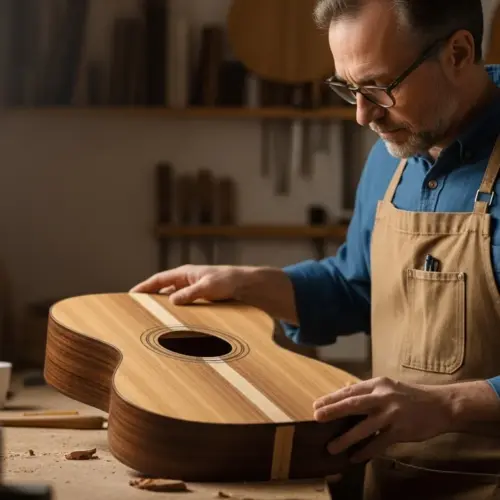

The search for the perfect tonewood is a never-ending quest for luthiers. The tonal qualities of a guitar are significantly influenced by the wood used in its construction.
While traditional choices like mahogany, rosewood, and maple are popular, some builders are exploring alternative species. One such wood gaining attention is ironwood, known for its exceptional density and hardness.
But can ironwood tonewood guitar measure up to the standards set by established materials? This article examines the potential of ironwood wood properties as a tonewood, specifically its use in guitar making.
What Makes Ironwood a Suitable Tonewood?
Tonewood selection hinges on a combination of factors that influence the instrument’s sound. Density, stiffness, and damping characteristics all play crucial roles.
Ironwood, encompassing several species with similar properties, is known for its high density. This density translates to increased stiffness, which can contribute to a brighter, more focused tone.
The hardness of ironwood also affects its ability to transfer vibrations efficiently. A hard tonewood like ironwood guitar can sustain sound longer.
Finally, the wood must be stable and resistant to warping or cracking. Ironwood generally exhibits good stability, making it a potentially reliable choice for instrument construction.
The density of a tonewood directly impacts the speed at which sound waves travel through it. Denser woods tend to produce a brighter, more articulate tone.
Stiffness, on the other hand, refers to the wood’s resistance to bending. A stiff tonewood will vibrate more efficiently, resulting in greater projection and sustain.
Damping refers to the wood’s ability to absorb vibrations. A tonewood with low damping characteristics will allow sound to resonate longer.
Ironwood’s high density and stiffness give it a unique combination of these properties. This combination contributes to its potential as a tonewood.
The stability of a tonewood is crucial for the longevity and playability of the instrument. Woods that are prone to warping or cracking can lead to significant problems over time.
Ironwood’s stability makes it a desirable choice for luthiers seeking durable and reliable materials. Its resistance to environmental changes ensures that the instrument will maintain its structural integrity for years to come.
In addition to its physical properties, the aesthetic appeal of ironwood also contributes to its suitability as a tonewood. Many species of ironwood exhibit beautiful grain patterns and figuring.
These visual characteristics can enhance the overall beauty of the instrument. They can make it a truly unique and eye-catching piece.
The Sound Profile of Ironwood in Guitars
The sonic characteristics of any tonewood are complex and subjective. However, some general observations can be made about the ironwood guitar sound.
Ironwood typically produces a bright, clear tone with strong projection. Its density and stiffness contribute to enhanced sustain, allowing notes to ring out longer.
Some luthiers describe the ironwood guitar sound as having a bell-like quality. This clarity and focus can be particularly desirable for fingerstyle playing or in ensemble settings where definition is paramount.
However, the density of ironwood can also result in a less warm or mellow tone compared to woods like mahogany. It may lack some of the overtone complexity associated with rosewood.
Ultimately, the specific sound profile will depend on the species of ironwood used. The bracing patterns and construction techniques employed by the luthier also greatly impact the final result.
The brightness of ironwood makes it well-suited for genres where clarity and articulation are important. This includes styles like bluegrass, jazz, and classical guitar.
The enhanced sustain of ironwood can also be beneficial for solo performances. It allows notes to linger and create a more expressive sound.
The focused tone of ironwood can help to cut through a mix in ensemble settings. This makes it a good choice for guitarists who need to be heard clearly.
While ironwood may not be as warm as mahogany, it can still produce a pleasing sound with the right construction techniques. Luthiers can use bracing patterns and other methods to add warmth and complexity to the tone.
The species of ironwood used will also influence the overall sound. Some species are brighter than others, while some have more warmth and complexity.
Experimentation is key to unlocking the full potential of ironwood as a tonewood. Luthiers who are willing to explore its unique properties can create truly exceptional instruments.
The sound of an ironwood guitar can be further shaped by the choice of strings and other hardware. Different types of strings will produce different tonal characteristics.
The type of bridge and nut used can also affect the sound. These components play a crucial role in transferring vibrations from the strings to the body of the guitar.
Workability and Finishing of Ironwood Tonewood
While tonal properties are crucial, a luthier must also consider the workability of a tonewood. Ironwood’s density and hardness present certain challenges in this regard.
The wood can be difficult to cut, shape, and bend compared to softer tonewoods. This necessitates sharp tools, patience, and potentially specialized techniques.
| Characteristic | Ironwood | Mahogany | Rosewood |
|---|---|---|---|
| Density | High | Medium | Medium to High |
| Workability | Difficult | Easy | Moderate |
| Typical Tone | Bright, clear, focused | Warm, mellow, balanced | Rich, complex, resonant |
| Stability | Excellent | Good | Good |
Finishing ironwood can also be more involved due to its tight grain structure. Proper pore filling is often necessary to achieve a smooth, even surface.
Despite these challenges, experienced luthiers can successfully work with ironwood. The resulting instrument can be visually striking, showcasing the wood’s unique grain patterns and figuring.
The hardness of ironwood requires the use of specialized cutting tools. Standard woodworking tools may not be sufficient to shape the wood effectively.
Luthiers often use carbide-tipped saw blades and router bits to work with ironwood. These tools are designed to withstand the abrasive nature of the wood.
Bending ironwood can be particularly challenging. The wood’s density makes it resistant to bending, and it can easily crack or split if not handled properly.
Luthiers often use heat and moisture to soften the wood before bending it. This can be achieved through the use of a bending iron or a steam box.
The tight grain structure of ironwood can make it difficult to achieve a smooth finish. The wood’s pores are very small, and they can be difficult to fill with traditional pore fillers.
Luthiers often use epoxy-based pore fillers to achieve a smooth, even surface. These fillers are designed to penetrate the wood’s pores and create a durable, long-lasting finish.
Despite the challenges associated with working with ironwood, the results can be well worth the effort. The wood’s unique grain patterns and figuring can create visually stunning instruments.
The durability of ironwood also makes it a desirable choice for luthiers. Instruments made from ironwood are less likely to be damaged by scratches or dents.
Comparing Ironwood to Other Tonewoods
To better understand ironwood’s potential, it’s helpful to compare it to more commonly used tonewoods. Mahogany, rosewood, and maple each offer distinct characteristics.
Mahogany is known for its warm, balanced tone and ease of workability. It is a popular choice for backs and sides, as well as necks.
Rosewood, particularly Brazilian rosewood, is prized for its rich overtones and complex sound. However, its availability is limited, and it can be more difficult to work with than mahogany.
Maple offers a bright, clear tone with good projection, similar to ironwood. It is often used for backs, sides, and necks, especially in archtop guitars.
Compared to these woods, ironwood stands out with its exceptional density and hardness. This results in a unique tonal profile that may appeal to players seeking clarity and sustain.
Mahogany’s warm tone makes it a versatile choice for a wide range of musical styles. It is often used in guitars intended for blues, rock, and folk music.
Rosewood’s rich overtones add depth and complexity to the sound. It is a popular choice for guitars intended for fingerstyle playing and classical music.
Maple’s bright tone provides clarity and projection. It is often used in guitars intended for jazz and bluegrass music.
Ironwood’s exceptional density and hardness give it a unique combination of tonal properties. It offers a brighter tone than mahogany, a more focused tone than rosewood, and greater sustain than maple.
The workability of these tonewoods also varies significantly. Mahogany is the easiest to work with, followed by maple and rosewood. Ironwood is the most challenging to work with.
The availability of these tonewoods also differs. Mahogany and maple are readily available, while rosewood is becoming increasingly scarce due to over-harvesting. Ironwood is less common than mahogany and maple, but more readily available than rosewood.
The cost of these tonewoods also varies. Mahogany is the least expensive, followed by maple and rosewood. Ironwood is typically more expensive than mahogany and maple, but less expensive than Brazilian rosewood.
Ultimately, the best tonewood for a particular guitar depends on the desired tonal characteristics, the luthier’s skill, and the player’s preferences. Each tonewood offers a unique combination of properties that can contribute to an exceptional instrument.
Common Uses of Ironwood in Guitar Construction
Ironwood can be used in various parts of a guitar, depending on the desired tonal and aesthetic qualities. Its density makes it well-suited for certain components.
Bridges and fingerboards are common applications, as the hardness of ironwood can improve note definition and clarity. Some luthiers also use ironwood for backs and sides, aiming for a bright, focused sound.
- Bridges for enhanced clarity
- Fingerboards for durability and note definition
- Backs and sides for bright, focused tone
- Necks for stiffness and stability
- Headplates for aesthetic appeal
Using ironwood for the neck can add stiffness and stability, potentially improving playability. Headplates made of ironwood can offer a visually striking accent.
Ultimately, the specific application depends on the luthier’s vision and the desired tonal characteristics of the instrument. Experimentation is key to unlocking the full potential of ironwood in guitar construction.
When used for bridges, ironwood’s hardness helps to transmit vibrations efficiently. This can result in a brighter, more articulate tone with improved note separation.
Ironwood fingerboards are known for their durability and resistance to wear. The hardness of the wood prevents the formation of grooves and indentations, ensuring long-lasting playability.
Using ironwood for the back and sides of a guitar can create a very bright and focused sound. This can be desirable for players who want a clear and articulate tone.
Ironwood necks can provide exceptional stiffness and stability. This can improve playability and prevent the neck from warping over time.
Headplates made of ironwood can add a touch of elegance and sophistication to a guitar. The wood’s unique grain patterns and figuring can create a visually stunning accent.
Some luthiers have also experimented with using ironwood for the top of a guitar. This can result in a very bright and powerful sound.
The density of ironwood can also make it a good choice for bracing. Bracing is the internal structure of a guitar that helps to support the top and back.
Ironwood bracing can improve the overall stiffness and stability of the guitar. It can also enhance the instrument’s projection and sustain.
Sourcing and Grading Ironwood Tonewood
Sourcing ironwood tonewood can be more challenging than obtaining more common species. The term “ironwood” encompasses various species found in different parts of the world.
Some species may be subject to import restrictions or conservation concerns, making sustainable sourcing essential. Working with reputable suppliers who prioritize responsible harvesting practices is crucial.
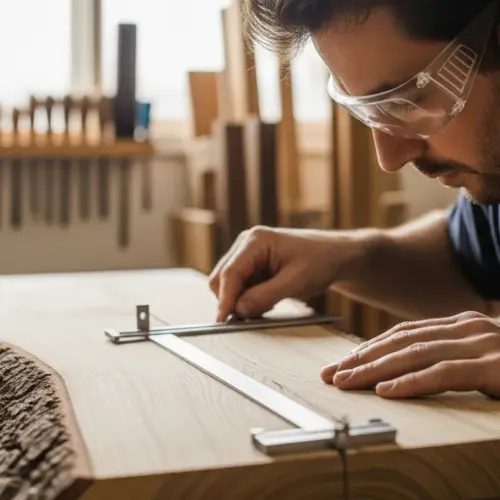
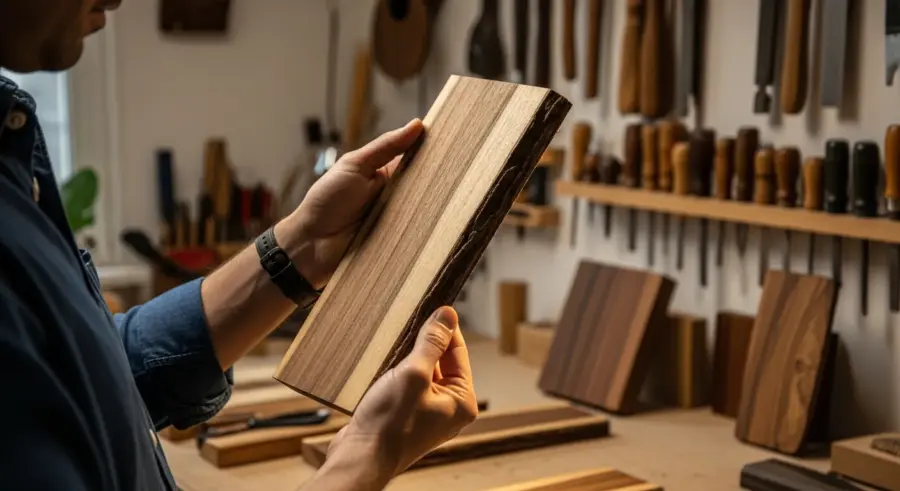
Grading ironwood tonewood involves assessing its density, grain structure, and freedom from defects. Luthiers typically seek wood that is quartersawn, meaning the grain runs perpendicular to the face of the board.
Quartersawn wood is more stable and less prone to warping than flatsawn wood. The presence of knots, cracks, or other imperfections can compromise the structural integrity and tonal qualities of the wood.
Careful selection and grading are essential to ensure that the ironwood tonewood meets the high standards required for instrument construction. The best pieces will exhibit consistent density, straight grain, and minimal defects.
Sustainable sourcing involves ensuring that the harvesting of ironwood does not harm the environment. It also requires that the local communities benefit from the harvesting process.
Reputable suppliers will have certifications that demonstrate their commitment to sustainable harvesting practices. These certifications may include the Forest Stewardship Council (FSC) certification.
Quartersawn wood is more expensive than flatsawn wood. This is because it requires more time and effort to produce.
However, the increased stability and tonal qualities of quartersawn wood make it well worth the investment. Luthiers who are committed to building high-quality instruments will typically use quartersawn wood.
The presence of knots, cracks, or other imperfections can significantly reduce the value of ironwood tonewood. These defects can weaken the wood and compromise its tonal qualities.
Luthiers carefully inspect each piece of ironwood before using it in an instrument. They will reject any pieces that have significant defects.
The density of ironwood is a key factor in determining its tonal qualities. Denser pieces of ironwood will typically produce a brighter, more focused tone.
Luthiers use a variety of methods to measure the density of ironwood. These methods may include weighing the wood or using a specialized density meter.
The Future of Ironwood Tonewood in Guitar Making
While ironwood is not yet as widely used as traditional tonewoods, its potential is undeniable. As luthiers continue to experiment with alternative species, ironwood may find a more prominent place in guitar construction.
Its unique tonal properties offer a distinct voice that can appeal to players seeking clarity, sustain, and projection. The challenges associated with workability may be offset by the wood’s aesthetic appeal and durability.
As sustainable sourcing practices become increasingly important, ironwood may also offer an environmentally responsible alternative to some over-harvested species. Responsible forestry management is crucial to ensuring the long-term availability of this valuable resource.
Ultimately, the future of ironwood tonewood depends on continued exploration and innovation within the luthier community. By embracing new materials and techniques, builders can unlock the full potential of this remarkable wood.
The increasing scarcity of traditional tonewoods is driving luthiers to explore alternative species. This trend is likely to continue as the demand for guitars increases and the supply of traditional tonewoods diminishes.
Ironwood’s unique tonal properties make it an attractive alternative to traditional tonewoods. Its bright, clear tone and enhanced sustain can appeal to players who are looking for a distinct sound.
The development of new tools and techniques is making it easier to work with ironwood. This is helping to overcome the challenges associated with its density and hardness.
Sustainable sourcing practices are becoming increasingly important to consumers. This is creating a demand for tonewoods that are harvested in an environmentally responsible manner.
Ironwood can be a sustainable alternative to some over-harvested species. However, it is important to ensure that ironwood is harvested responsibly to prevent it from becoming over-harvested as well.
The luthier community is known for its willingness to experiment with new materials and techniques. This spirit of innovation is essential to unlocking the full potential of ironwood tonewood.
As more luthiers experiment with ironwood, they will develop a better understanding of its tonal properties and workability. This will lead to the creation of even more exceptional instruments.
Notable Examples of Ironwood Guitars
While ironwood guitars may not be as ubiquitous as those made from rosewood or mahogany, several luthiers have successfully incorporated the wood into their instruments. These examples showcase the range of tonal and aesthetic possibilities that ironwood offers.
Some builders have used ironwood for the entire back and sides of the guitar, creating instruments with exceptional clarity and projection. Others have opted to use ironwood for specific components, such as the bridge or fingerboard, to enhance certain tonal characteristics.
One notable example is the work of luthier John Greven, who has experimented with various ironwood species in his guitars. His instruments often feature a distinctive bright tone with extended sustain.
Another luthier, Kathy Wingert, has used ironwood for fingerboards and bridges, noting its ability to enhance note definition and clarity. These examples demonstrate the versatility of ironwood and its potential to contribute to exceptional instruments.
The use of ironwood in these guitars highlights the ongoing exploration of alternative tonewoods. It also demonstrates the commitment of luthiers to pushing the boundaries of guitar design.
Many luthiers who work with ironwood are small, independent builders. They often specialize in creating custom instruments for discerning players.
These luthiers are passionate about exploring the unique tonal properties of different tonewoods. They are willing to invest the time and effort required to work with challenging materials like ironwood.
The guitars made by these luthiers often command a premium price. This reflects the high level of craftsmanship and the use of rare and exotic tonewoods.
The success of these luthiers demonstrates that there is a market for ironwood guitars. Players who are looking for a unique and high-quality instrument are willing to pay for it.
As more luthiers begin to work with ironwood, the availability of ironwood guitars is likely to increase. This will make it easier for players to experience the unique tonal properties of this remarkable wood.
The use of ironwood in these guitars also highlights the importance of sustainable sourcing. Luthiers who use ironwood are committed to ensuring that the wood is harvested in an environmentally responsible manner.
This commitment to sustainability helps to protect the forests where ironwood grows. It also ensures that future generations will be able to enjoy the beauty and tonal properties of this remarkable wood.
Acoustic Properties of Different Ironwood Species
It’s important to remember that “ironwood” is a general term encompassing a diverse range of tree species. Each species possesses slightly different acoustic properties.
For example, Katalox (Swartzia cubensis) is known for its exceptional density and hardness, resulting in a bright, focused tone. Desert ironwood (Olneya tesota), native to the southwestern United States and Mexico, offers a similar tonal profile with a slightly warmer character.
Another species, African ironwood (Erythrophleum africanum), is prized for its stability and resistance to warping. Its tonal properties are similar to other ironwoods, with a clear, articulate sound.
The specific species of ironwood used will influence the final sound of the guitar. Luthiers carefully consider these variations when selecting tonewoods.
Understanding the acoustic properties of different ironwood species is crucial for maximizing their potential in guitar construction. It also allows builders to tailor the instrument’s sound to the specific preferences of the player.
Katalox is often used for fingerboards and bridges due to its hardness and density. It provides excellent note definition and clarity.
Desert ironwood is a popular choice for backs and sides. Its slightly warmer tone adds depth and complexity to the sound.
African ironwood is often used for necks. Its stability and resistance to warping ensure long-lasting playability.
Luthiers may also blend different species of ironwood to achieve a specific tonal profile. This allows them to create instruments that are perfectly tailored to the player’s needs.
The acoustic properties of ironwood are also influenced by the way the wood is cut and dried. Quartersawn wood is more stable and resonant than flatsawn wood.
Proper drying techniques are essential to prevent the wood from cracking or warping. Luthiers often use kiln drying to ensure that the wood is properly seasoned.
The age of the wood can also affect its acoustic properties. Older wood tends to be more resonant than younger wood.
Luthiers often seek out old-growth ironwood for its exceptional tonal qualities. This wood is becoming increasingly scarce, making it a valuable commodity.
Conclusion
Ironwood tonewood guitar presents an intriguing alternative to traditional tonewoods. Its density, hardness, and stability offer unique tonal characteristics that can enhance clarity, sustain, and projection.
While workability can be challenging, experienced luthiers can overcome these obstacles to create exceptional instruments. As the search for sustainable and tonally diverse materials continues, ironwood may well play an increasingly important role in the world of guitar making.