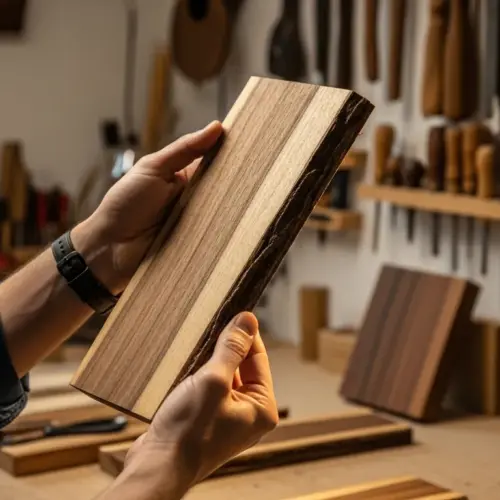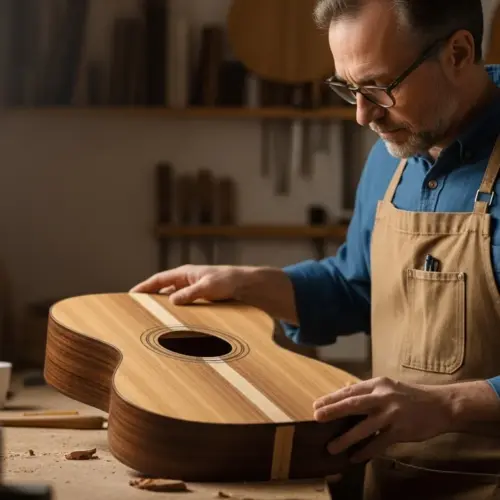


When it comes to selecting tonewoods for guitar building, the options can seem endless. From the revered mahogany to the exotic ziricote, each species offers a unique set of tonal characteristics and aesthetic qualities. But what about the more humble options, like poplar tonewood guitar?
Often overlooked in favor of its more glamorous counterparts, poplar has its own set of advantages that make it a worthwhile choice, especially for solid-body electrics. This article will explore the world of poplar tonewood, examining its acoustic properties, workability, and suitability for different guitar types.
We’ll also compare it to other popular tonewoods like alder and basswood, providing a comprehensive guide to help you determine if poplar is the right choice for your next guitar project. Whether you’re a seasoned luthier or a budding guitar enthusiast, understanding the nuances of poplar tonewood can open up new possibilities in your quest for the perfect instrument.
Why Poplar is a Budget-Friendly Tonewood Choice
Poplar’s affordability is one of its most compelling features. Compared to premium tonewoods like mahogany or maple, poplar is significantly less expensive, making it an attractive option for budget-conscious builders and players.
This cost-effectiveness doesn’t necessarily translate to inferior quality, but rather reflects poplar’s abundance and ease of cultivation. Poplar trees grow quickly and are widely available, contributing to their lower price point.
For beginner luthiers, using poplar for initial projects can be a smart way to practice techniques without the financial risk associated with more expensive woods. A poplar guitar body allows for experimentation with shaping, routing, and finishing without the pressure of potentially wasting a costly piece of timber.
Moreover, the lower cost of poplar can make it an appealing choice for mass-produced guitars, allowing manufacturers to offer instruments at more accessible price points. This makes quality instruments available to a wider range of players, fostering musical growth and exploration.
The savings realized by using poplar can be reinvested in other crucial components, such as high-quality pickups, hardware, or even a professional setup. This can ultimately lead to a better-sounding and playing instrument, even if the body is made from a less expensive wood.

Furthermore, the consistent availability of poplar ensures a stable supply chain for guitar manufacturers, preventing price fluctuations and potential shortages. This reliability allows them to maintain consistent production schedules and deliver instruments to customers on time.
It’s also worth noting that the perception of “budget-friendly” doesn’t always equate to “low quality.” Many skilled luthiers can coax exceptional tones out of poplar, demonstrating that the player’s skill and the overall construction of the guitar are often more important than the specific tonewood used.
In essence, poplar offers a practical and economical solution for guitar building, without sacrificing playability or tonal potential. It’s a testament to the idea that great music can be made with affordable instruments.
The Acoustic Properties of Poplar in Guitars
Poplar is often described as having a neutral or balanced tonal character. This means it doesn’t strongly emphasize any particular frequency range, providing a relatively even response across the spectrum.
This neutrality can be both a blessing and a curse, depending on the desired outcome. On one hand, it allows other components of the guitar, such as the pickups and hardware, to exert a greater influence on the overall sound.
On the other hand, it may lack the inherent warmth or richness that some players seek in a tonewood. However, its balanced nature also makes it a versatile canvas for shaping the tone through electronics and amplification.
Compared to brighter tonewoods like maple, poplar tends to have a slightly softer attack and less pronounced high-end response. This can result in a smoother, more rounded sound, which may be desirable for certain musical styles.
The neutral tonal character of poplar also makes it a good choice for players who use a wide range of effects pedals. It won’t color the sound in any significant way, allowing the effects to be heard more clearly and accurately.
Furthermore, poplar’s relatively low density can contribute to a lighter overall guitar weight, which can be a significant advantage for players who suffer from back pain or shoulder strain. A lighter instrument can make long gigs or practice sessions more comfortable and enjoyable.
While poplar may not have the complex overtones or inherent sustain of some other tonewoods, it offers a solid foundation for building a versatile and reliable instrument. Its neutrality allows for a wide range of tonal possibilities, depending on the player’s preferences and playing style.
In essence, poplar’s acoustic properties make it a practical and adaptable choice for guitar building, offering a balanced and neutral platform for shaping the desired tone.
Workability and Finishing Considerations for Poplar
Poplar is generally considered easy to work with, making it a favorite among luthiers. It’s relatively soft and has a straight, consistent grain, which allows for smooth cutting, shaping, and routing.
This workability is particularly beneficial when creating complex contours or intricate designs on a guitar body. However, poplar’s softness can also make it prone to dents and scratches, so care must be taken during the construction process.
| Consideration | Poplar | Alder | Basswood |
|---|---|---|---|
| Workability | Easy to work, soft | Easy to work, stable | Very easy to work, soft |
| Grain | Straight, consistent | Closed, even | Fine, tight |
| Finishing | Takes finish well, may require grain filling | Takes finish well, easy to seal | Requires care, prone to dents |
| Durability | Moderate, prone to dents | Moderate, stable | Low, soft |
When it comes to finishing, poplar can present some challenges due to its open grain structure. It may require grain filling to achieve a smooth, glass-like surface, especially when using transparent or translucent finishes.
However, poplar takes paint and opaque finishes exceptionally well, making it a great choice for solid-color guitars. The wood’s light color also provides a neutral base for achieving vibrant and consistent hues.
The ease of workability also allows for precise neck pocket routing and bridge placement, ensuring optimal intonation and playability. This is crucial for creating a guitar that is both comfortable to play and sounds great.
When applying a finish to poplar, it’s important to properly sand the wood to create a smooth surface for the finish to adhere to. Using a sanding sealer can also help to fill in the pores and create a more even surface.
For those seeking a more natural look, consider using a tinted oil finish to enhance the wood’s natural grain patterns. This can provide a beautiful and durable finish that showcases the wood’s character.
Ultimately, poplar’s workability and finishing characteristics make it a versatile choice for luthiers of all skill levels, allowing for a wide range of design and aesthetic possibilities.
Poplar’s Role in Solid-Body Electric Guitars
Poplar is most commonly used in the construction of solid-body electric guitars. Its neutral tonal characteristics and ease of workability make it a versatile choice for a wide range of guitar designs.
Many affordable and mid-range electric guitars feature poplar bodies, providing a solid foundation for various pickup configurations and playing styles. The lack of strong tonal coloration allows the pickups and electronics to truly shine, giving players greater control over their sound.
Poplar’s lightweight nature can also be an advantage for players who prefer a lighter instrument. A lighter poplar guitar body can reduce fatigue during long gigs or practice sessions, making it a comfortable choice for extended playing.
Additionally, poplar’s consistent density and stability contribute to a more predictable and reliable instrument. This makes it a popular choice for mass-produced guitars where consistency is key.
The use of poplar in solid-body electric guitars also allows manufacturers to offer a wider range of color options. Its neutral base color makes it easy to achieve vibrant and consistent finishes, catering to diverse aesthetic preferences.
Furthermore, poplar’s affordability allows manufacturers to invest in other crucial components, such as high-quality pickups, hardware, and electronics. This can result in a better-sounding and playing instrument overall, even if the body is made from a less expensive wood.
Poplar’s role in solid-body electric guitars extends beyond just affordability and workability. Its neutral tonal characteristics make it a versatile platform for shaping the desired sound through electronics and amplification.
In essence, poplar provides a solid and reliable foundation for building a wide range of solid-body electric guitars, offering a balance of affordability, playability, and tonal versatility.
Comparing Poplar to Alder and Basswood
Alder and basswood are two other common tonewoods often compared to poplar. All three are relatively soft and lightweight, making them popular choices for solid-body electric guitars.
However, each has its own distinct characteristics that set it apart. Alder is known for its balanced tone with a slight emphasis on the midrange frequencies.
- Alder: Balanced tone with slight midrange emphasis
- Basswood: Soft, warm tone with good sustain
- Poplar: Neutral tone, allowing other components to shine
- Mahogany: Warm, rich tone with good sustain
- Maple: Bright, articulate tone with strong attack
Basswood, on the other hand, is known for its soft, warm tone and excellent sustain. Poplar’s neutrality allows the pickups and electronics to shape the sound more directly, while mahogany provides warmth and maple offers brightness.
Ultimately, the choice between these tonewoods depends on the desired tonal characteristics and playing style. Players seeking a more pronounced midrange may prefer alder, while those looking for warmth and sustain might opt for basswood.
Alder is often favored for its clear and articulate tone, making it a popular choice for rock and blues players. Basswood’s warm and smooth sound is well-suited for high-gain applications, providing a balanced and controlled tone even at extreme volumes.
Poplar’s neutrality makes it a versatile choice for a wide range of musical styles, allowing the pickups and electronics to shape the sound to the player’s liking. It’s a good option for players who want a blank canvas to experiment with different tones and effects.
In terms of workability, all three woods are relatively easy to work with, although poplar and basswood are slightly softer than alder. This can make them more prone to dents and scratches, but also easier to shape and contour.
Ultimately, the best way to determine which tonewood is right for you is to try guitars made from each material and see which one resonates with your personal preferences and playing style.
Sourcing and Grading Poplar Tonewood
When sourcing poplar tonewood, it’s important to consider the quality and grading of the wood. Look for reputable suppliers who specialize in tonewoods and can provide detailed information about the origin and characteristics of their poplar stock.
The grading of poplar tonewood typically takes into account factors such as grain consistency, knot presence, and overall aesthetic appeal. Higher grades of poplar will have straighter, more consistent grain patterns and fewer knots or blemishes.
For solid-body electric guitars, the aesthetic appearance of the wood may be less critical if it will be covered with an opaque finish. However, for guitars with transparent or natural finishes, selecting a visually appealing piece of poplar is essential.
It’s also important to ensure that the poplar tonewood is properly dried and seasoned before use. Kiln-dried poplar is generally preferred, as it reduces the risk of warping or cracking after the guitar is built.
When selecting poplar tonewood, pay attention to the density and weight of the wood. Lighter pieces of poplar tend to have a more resonant and lively tone, while heavier pieces may sound more dull and lifeless.
Also, consider the grain orientation of the wood. Quarter-sawn poplar, which has vertical grain lines, is generally more stable and resistant to warping than flat-sawn poplar, which has horizontal grain lines.
It’s always a good idea to inspect the poplar tonewood carefully for any signs of defects, such as cracks, knots, or insect damage. These flaws can compromise the structural integrity and tonal quality of the guitar.
By taking the time to source and grade poplar tonewood carefully, you can ensure that you’re using the best possible materials for your guitar project, resulting in a higher-quality and more satisfying instrument.
Poplar’s Sustainability and Environmental Impact
Poplar trees are known for their rapid growth and ability to thrive in a variety of environments. This makes poplar a relatively sustainable and environmentally friendly tonewood choice.
Unlike some exotic tonewoods that are harvested from endangered or slow-growing species, poplar is readily available and can be sustainably managed. Many poplar plantations are specifically cultivated for timber production, ensuring a consistent supply of wood without depleting natural forests.
Choosing poplar tonewood can be a way to support sustainable forestry practices and reduce the environmental impact of guitar building. By opting for a readily available and responsibly sourced tonewood, luthiers and players can contribute to the preservation of our planet’s resources.
Additionally, poplar’s fast growth rate means that it sequesters carbon dioxide from the atmosphere more quickly than slower-growing species. This can help to mitigate climate change and reduce the overall carbon footprint of guitar production.
When sourcing poplar tonewood, look for suppliers who are certified by organizations such as the Forest Stewardship Council (FSC). This ensures that the wood is harvested from responsibly managed forests that meet strict environmental and social standards.
Consider using reclaimed or recycled poplar tonewood whenever possible. This can help to reduce the demand for newly harvested wood and minimize the environmental impact of guitar building.
By making conscious choices about the tonewoods we use, we can help to ensure that guitar building remains a sustainable and environmentally responsible practice for generations to come.
Supporting companies that prioritize sustainable practices and transparent sourcing is another way to contribute to a more environmentally friendly guitar industry.
Poplar Tonewood Guitar: Notable Examples
Several well-known guitar manufacturers have utilized poplar in their instruments, demonstrating its viability as a tonewood. Squier, for example, often uses poplar in its Affinity and Bullet series guitars, providing affordable options for beginners and experienced players alike.
These guitars often feature poplar bodies paired with maple necks and various pickup configurations, showcasing the versatility of poplar as a foundation for different tonal styles. Ibanez has also used poplar in some of its mid-range models, particularly those with vibrant, solid-color finishes.
These examples highlight poplar’s ability to provide a solid, reliable platform for a variety of guitar designs. While not always the most glamorous choice, poplar’s affordability and workability make it a practical option for many manufacturers.
By examining these notable examples, players can gain a better understanding of poplar’s potential in different guitar configurations. It’s a reminder that great tone doesn’t always require the most expensive or exotic tonewoods.
Many custom guitar builders also utilize poplar, often pairing it with unique pickup combinations and hardware to create truly one-of-a-kind instruments. These builders appreciate poplar’s neutral tonal characteristics and its ability to serve as a blank canvas for their creative visions.
The use of poplar in these guitars demonstrates that it can be a viable option for players of all skill levels and musical styles. Whether you’re a beginner looking for an affordable instrument or a seasoned pro seeking a versatile platform for experimentation, poplar can be a great choice.
Exploring these examples can help dispel the myth that only expensive tonewoods can produce great tone. It’s a testament to the fact that the overall construction, components, and setup of a guitar are just as important as the specific tonewood used.
Ultimately, the choice of tonewood is a personal one, but these notable examples demonstrate that poplar is a worthy contender in the world of guitar building.
Experimenting with Pickups and Electronics on Poplar
One of the great advantages of using poplar as a tonewood is its ability to serve as a blank canvas for pickups and electronics. Because poplar doesn’t impart a strong tonal character of its own, the pickups and electronics have a greater influence on the final sound.
This makes poplar a versatile choice for players who like to experiment with different pickup configurations and wiring schemes. You can easily swap out pickups to achieve different tonal flavors, from bright and articulate to warm and bluesy.
Experimenting with different potentiometer values and capacitor types can also have a significant impact on the sound of a poplar guitar. Lower value potentiometers can tame bright pickups, while higher value pots can open up the high-end response.
Similarly, different capacitor values can alter the tone control’s effectiveness, allowing you to fine-tune the guitar’s overall sound. The possibilities are endless, making poplar an ideal choice for tone tweakers and sonic explorers.
Consider using different pickup types, such as single-coils, humbuckers, or P-90s, to explore the full range of tonal possibilities that poplar can offer. Each pickup type will interact with poplar’s neutral character in a unique way, creating a distinct sonic signature.
Experiment with different wiring schemes, such as series, parallel, or coil-splitting, to further expand the tonal palette of your poplar guitar. These wiring modifications can unlock new sounds and textures that you may not have thought possible.
Don’t be afraid to try unconventional pickup combinations or wiring schemes. Poplar’s neutrality makes it a forgiving platform for experimentation, allowing you to push the boundaries of guitar tone.
Ultimately, the key to getting the most out of a poplar guitar is to experiment with different pickups and electronics until you find the combination that best suits your playing style and musical preferences.
The Resonant Frequency of Poplar and Its Impact
Every piece of wood has a natural resonant frequency, which is the frequency at which it vibrates most readily. The resonant frequency of a tonewood can influence the overall tone and sustain of a guitar.
Poplar tends to have a relatively low resonant frequency compared to harder tonewoods like maple or ash. This lower frequency can contribute to a warmer, more rounded sound with less pronounced high-end response.
However, the resonant frequency of a guitar body is also influenced by its shape, size, and construction. Factors such as the thickness of the wood, the bracing pattern, and the type of finish can all affect the overall resonance.
Therefore, while poplar’s inherent resonant frequency plays a role in its tonal characteristics, it’s just one piece of the puzzle. By carefully considering all of these factors, luthiers can optimize the resonance of a poplar guitar to achieve the desired sound.
The density of the wood also plays a role in its resonant frequency. Denser woods tend to have higher resonant frequencies, while less dense woods have lower resonant frequencies.
The way the wood is cut, such as quarter-sawn or flat-sawn, can also affect its resonant frequency. Quarter-sawn wood tends to be more rigid and have a higher resonant frequency than flat-sawn wood.
Luthiers can manipulate the resonant frequency of a guitar body by strategically removing wood from certain areas or adding mass to others. This is a complex process that requires a deep understanding of acoustics and guitar construction.
Ultimately, the resonant frequency of a guitar body is a complex and multifaceted phenomenon that is influenced by a variety of factors. By carefully considering these factors, luthiers can create guitars that have a unique and pleasing tonal character.
Conclusion
Poplar tonewood may not be the flashiest or most sought-after choice for guitar building, but it offers a unique combination of affordability, workability, and tonal neutrality. Its budget-friendly price point makes it accessible to a wide range of builders and players.
Its easy workability allows for experimentation and creativity, and its neutral tonal character provides a blank canvas for pickups and electronics. Whether you’re a beginner luthier, a budget-conscious player, or simply someone looking for a versatile tonewood, poplar is worth considering for your next guitar project.
Don’t let the perception of poplar as a “budget” tonewood deter you from exploring its potential. With the right components and construction, a poplar guitar can sound just as good as, or even better than, guitars made from more expensive woods.
So, the next time you’re in the market for a new guitar, consider giving poplar a chance. You might be surprised at what you discover.