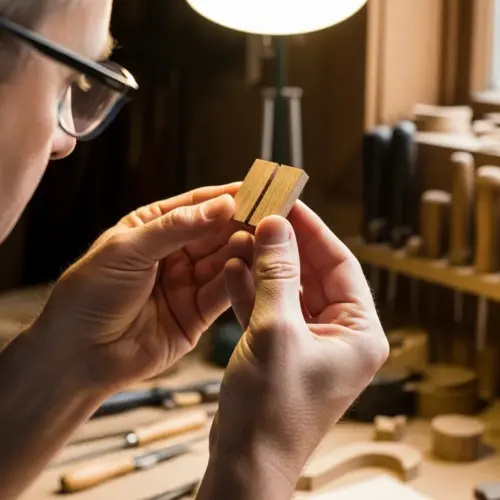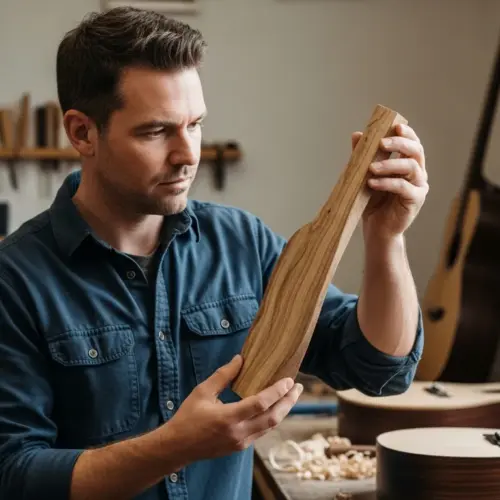


Ziricote is a visually stunning and tonally intriguing wood that has steadily gained popularity among luthiers. Its striking grain patterns and unique acoustic properties make it a sought-after choice for crafting high-end guitars and other musical instruments. Let’s take a closer look at what makes ziricote tonewood special.
This article will explore the various aspects of ziricote, from its appearance and tonal characteristics to its workability and sustainability. We will also compare it to other exotic tonewoods, providing you with a comprehensive understanding of this remarkable material. Keep reading to learn about ziricote tonewood properties.
Whether you’re a seasoned luthier or simply a guitar enthusiast, understanding the nuances of different tonewoods can significantly enhance your appreciation for the craft. Knowing the ziricote guitar sound will help you to make informed decisions about instrument selection and construction. So, let’s get started.
What is Ziricote Tonewood?
Ziricote, scientifically known as Cordia dodecandra, is a dense and exotic hardwood that primarily grows in Central America, particularly in Mexico, Belize, and Guatemala. It is prized for its exceptional beauty and tonal qualities, making it a favorite among luthiers for crafting various musical instruments. It is also known for its hardness and density.
The tree itself is relatively small, typically reaching heights of 30 to 50 feet, which contributes to the limited availability and higher cost of ziricote wood. This scarcity adds to its allure, making instruments crafted from ziricote all the more special. The wood is a treasure to be found.
Ziricote is not just a beautiful wood; it’s also a tonally rich material that offers a unique sonic palette. Its density and hardness contribute to its bright, clear sound, making it an excellent choice for instruments that require projection and clarity. Many luthiers love the sound.
The combination of its aesthetic appeal and tonal properties has solidified ziricote’s place in the world of high-end luthierie. It allows for luthiers to create stunning instruments. Its use is sure to continue.
The Distinctive Visual Characteristics of Ziricote
One of the most striking features of ziricote is its dramatic and highly varied grain pattern. This is the main reason that many luthiers and guitar players seek out this unique tonewood. The look is like no other.
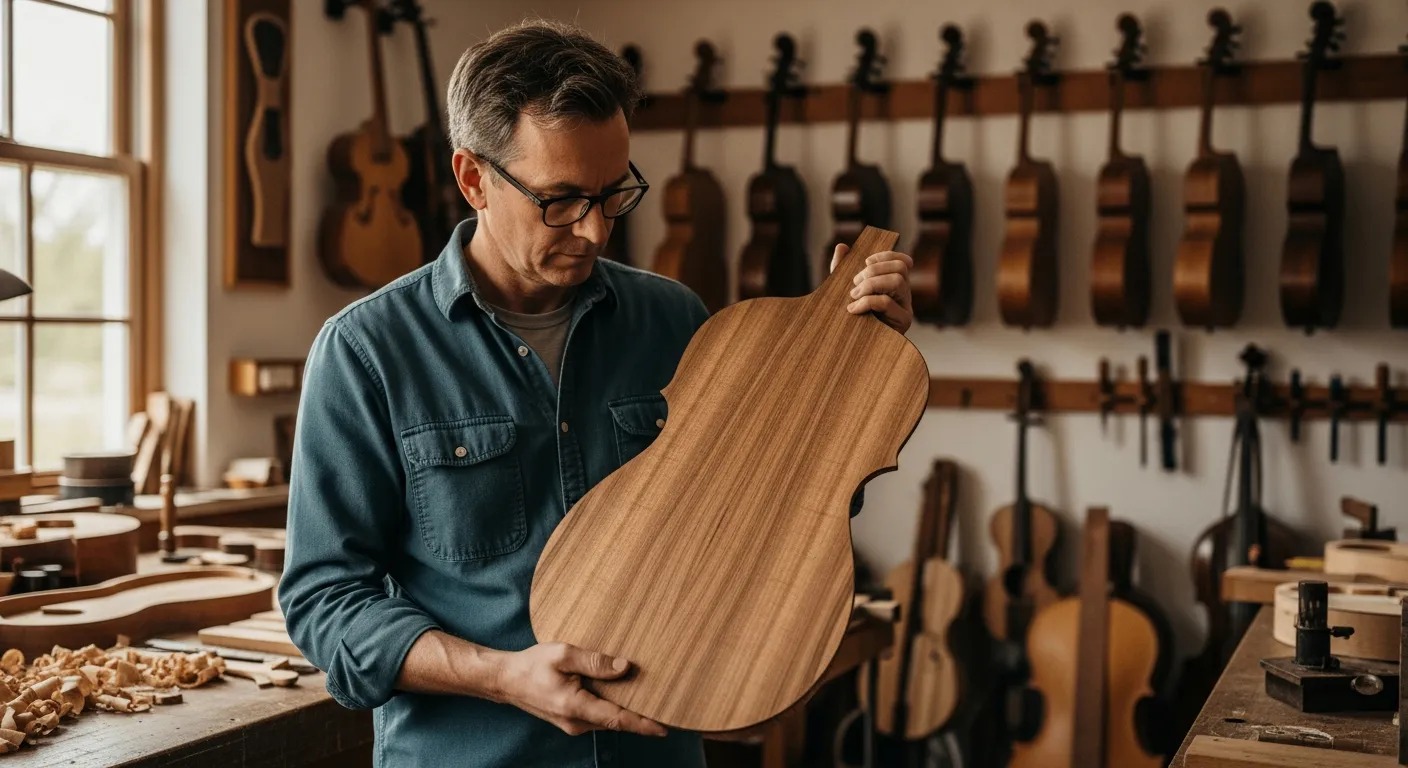
The heartwood of ziricote typically ranges from medium to dark brown, often with irregular dark lines and swirling patterns that resemble spiderwebbing or landscapes. These patterns are what make each piece of ziricote truly unique and visually captivating. The grain is unlike anything else.
In addition to its striking grain, ziricote also exhibits a fine, even texture that contributes to its smooth and polished appearance. This texture enhances the wood’s natural luster, giving it a luxurious feel and look. The finish is amazing.
The sapwood is typically a paler yellow or cream color, providing a contrasting border that further accentuates the beauty of the heartwood. This contrast can be used strategically in instrument design to create visually appealing accents. The sapwood has its place.
Due to its unique appearance, ziricote is often used for the back and sides of acoustic guitars, where its visual impact can be fully appreciated. It is also used for headplates and other decorative elements. The look is very appealing.
Ziricote’s Tonal Qualities: A Deep Dive
Ziricote is not just about looks; it also brings a distinct set of tonal characteristics to the table. The ziricote guitar sound is known for its clarity, projection, and balanced response across the frequency spectrum. It is a great wood for sound.
Its density and hardness contribute to a bright and articulate sound with plenty of sustain. This makes it well-suited for fingerstyle playing and other techniques that require clarity and definition. The sound is very articulate.
| Property | Description | Impact on Tone |
|---|---|---|
| Density | High density (around 55-60 lbs/ft³) | Contributes to brightness and sustain |
| Hardness | Very hard and durable | Enhances clarity and projection |
| Response | Balanced across frequencies | Provides a well-rounded sound |
| Sustain | Excellent sustain | Notes ring out clearly and for a long time |
Compared to other tonewoods like rosewood or mahogany, ziricote tends to have a slightly brighter and more focused sound. It doesn’t have the deep warmth of rosewood or the pronounced midrange of mahogany, but it offers its own unique sonic signature. The sound is quite unique.
Many luthiers appreciate ziricote for its ability to add a touch of brilliance and complexity to an instrument’s tone. It can help to bring out the nuances of a player’s technique and add a certain sparkle to the overall sound. The brilliance is amazing.
Workability and Challenges When Using Ziricote
While ziricote is prized for its beauty and tonal qualities, it can present some challenges when it comes to workability. Its high density and hardness can make it more difficult to cut, shape, and sand compared to softer tonewoods. It can be a tough wood to work with.
Due to its density, ziricote can also be prone to tear-out during machining, especially when working against the grain. Using sharp tools, taking light passes, and employing proper cutting techniques can help to minimize this issue. Sharp tools are a must.
Ziricote can also be somewhat oily, which can affect its ability to bond well with certain glues and finishes. Proper surface preparation, such as wiping down the wood with a solvent before gluing or finishing, is essential to ensure a strong and lasting bond. Preparation is key.
Despite these challenges, many luthiers find that the effort required to work with ziricote is well worth it, given the stunning results that can be achieved. The beauty of the wood makes it worth the effort. The results are amazing.
With patience, skill, and the right tools, ziricote can be transformed into a truly exceptional musical instrument. It is a wood that rewards careful work. It is a worthwhile pursuit.
Sourcing and Sustainability of Ziricote
As with any exotic tonewood, it’s important to consider the sourcing and sustainability of ziricote. Ensuring that the wood is harvested responsibly and legally is crucial for preserving this valuable resource for future generations. The wood must be harvested responsibly.
Ziricote is not currently listed as an endangered species, but its limited availability and the potential for unsustainable harvesting practices make it essential to exercise caution. Look for suppliers who can provide documentation of legal and sustainable sourcing. The wood should be legally sourced.
- Look for FSC-certified ziricote
- Inquire about the origin and harvesting practices
- Support suppliers committed to sustainability
- Consider alternatives if ziricote is not sustainably sourced
- Promote responsible consumption and conservation
By making informed choices and supporting responsible suppliers, luthiers and consumers can help to ensure that ziricote remains a viable and sustainable tonewood for years to come. It is up to us to ensure sustainability. The future of the wood depends on it.
The future of lutherie depends on sustainable practices. By supporting sustainable practices, we can help to ensure the future of lutherie. It is up to us to do our part.
Ziricote vs. Other Exotic Tonewoods
Ziricote is often compared to other exotic tonewoods like Brazilian rosewood, cocobolo, and ebony, each of which offers its own unique combination of visual and tonal characteristics. Understanding the differences between these woods can help luthiers and players to make informed choices based on their individual preferences. Each wood has unique characteristics.
Compared to Brazilian rosewood, ziricote tends to be brighter and more focused, with less emphasis on the deep, resonant bass frequencies that rosewood is known for. Rosewood is a classic tonewood, but ziricote offers a different flavor. Ziricote is a great alternative.
Cocobolo, another Central American hardwood, shares some similarities with ziricote in terms of density and hardness, but it often exhibits a wider range of colors and more pronounced figuring. Cocobolo can be quite striking, but ziricote has its own unique appeal. The look is very unique.
Ebony, typically used for fingerboards and bridges, is known for its extreme hardness and density, which contribute to a bright, clear tone. Ziricote, on the other hand, is more commonly used for the back and sides of guitars, where its visual beauty can be fully appreciated. Ebony is a great wood for fingerboards.
Ultimately, the choice between ziricote and other exotic tonewoods comes down to personal preference and the desired tonal and aesthetic characteristics of the instrument. Each wood brings something unique to the table. The choice is up to you.
Tips for Finishing Ziricote
Finishing ziricote properly is crucial to enhance its natural beauty and protect it from moisture and other environmental factors. Due to its oily nature, ziricote can sometimes be challenging to finish, requiring careful preparation and the use of appropriate products. Proper finishing is essential.
Before applying any finish, it’s important to thoroughly clean and degrease the surface of the ziricote. Wiping it down with a solvent like naphtha or acetone can help to remove any oils or residues that might interfere with the finish. Cleaning the surface is key.
Sealing the wood with a compatible sealer is also recommended to promote adhesion and prevent the finish from soaking into the wood unevenly. A good sealer can make a big difference in the final result. The sealer is very important.
When it comes to topcoats, lacquer, varnish, and polyurethane are all viable options, each offering its own set of advantages and disadvantages. Lacquer is a classic choice for guitars, while varnish and polyurethane offer greater durability and moisture resistance. The topcoat is very important.
Regardless of the finish you choose, it’s important to apply it in thin, even coats, allowing each coat to dry completely before applying the next. This will help to prevent runs, drips, and other imperfections. Thin coats are best.
Ziricote in Guitar Building: Design Considerations
When incorporating ziricote into a guitar build, there are several design considerations to keep in mind to maximize its aesthetic and tonal potential. From body shape to bracing patterns, every element of the design can influence the final result. Design considerations are important.
Given ziricote’s striking appearance, it’s often used for the back and sides of acoustic guitars, where its visual impact can be fully appreciated. Pairing it with a complementary topwood, such as Sitka spruce or cedar, can create a balanced and visually stunning instrument. Pairing the wood is key.
The body shape can also play a significant role in shaping the guitar’s tone. A larger body, such as a dreadnought, will typically produce a louder and more resonant sound, while a smaller body, such as a grand auditorium, will offer greater comfort and a more focused tone. The body shape matters.
The bracing pattern, which refers to the internal structure of the guitar’s top, can also have a significant impact on its tone and responsiveness. Different bracing patterns, such as X-bracing or fan bracing, can emphasize different frequencies and alter the guitar’s overall sound. Bracing patterns are very important.
Ultimately, the design choices you make will depend on your individual preferences and the desired tonal and aesthetic characteristics of the instrument. Experimentation and careful consideration are key to creating a truly exceptional guitar. The design choices are up to you.
Alternatives to Ziricote
If ziricote is unavailable or doesn’t quite fit your budget or aesthetic preferences, there are several alternative tonewoods that offer similar visual and tonal qualities. These alternatives can provide a similar look and feel. There are many great alternatives.
One popular alternative is cocobolo, another Central American hardwood known for its striking grain patterns and bright, articulate tone. Cocobolo can be a great substitute. It is a readily available wood.
Another option is black limba, also known as korina, which features a light brown color with dark streaks that can resemble ziricote’s spiderwebbing. Black limba offers a similar look. The sound is great as well.
For those seeking a more sustainable alternative, roasted maple can be a good choice. Roasting the maple gives it a darker color and enhances its stability, making it a viable substitute for some exotic tonewoods. Roasted maple is a great option.
Ultimately, the best alternative will depend on your specific needs and preferences. Consider the visual and tonal characteristics of each wood, as well as its availability and sustainability, to make an informed decision. The choice is up to you.
Conclusion
Ziricote tonewood offers a unique combination of visual beauty and tonal complexity that has made it a favorite among luthiers and guitar players. Its striking grain patterns, bright and articulate sound, and excellent sustain make it a truly exceptional material for crafting high-end musical instruments. It is a great wood for many reasons.
While it can present some challenges in terms of workability and sustainability, the results are well worth the effort for those who appreciate its unique qualities. By understanding the nuances of ziricote and making informed choices about its sourcing and use, we can help to ensure that this remarkable tonewood remains available for generations to come. The future of the wood is bright.