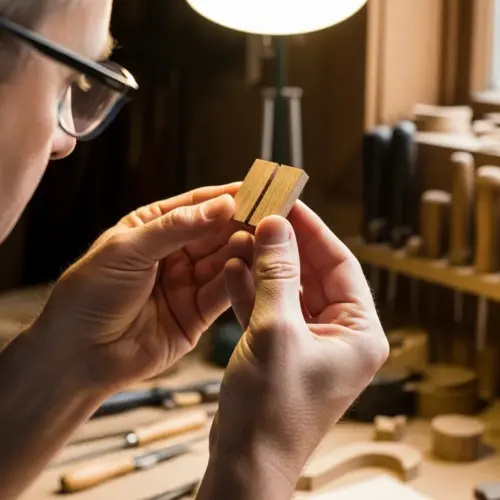


Movingui is a beautiful and relatively unknown African tonewood that’s gaining popularity among luthiers. Its unique properties make it a great choice for various musical instruments.
This article will explore the properties of movingui, covering everything from its appearance to its tonal characteristics. We’ll also discuss how to work with this timber and how to best use it in lutherie projects, including the movingui tonewood properties that make it so desirable.
Whether you’re an experienced luthier or just starting, understanding the nuances of different tonewoods is key to creating instruments with exceptional sound and beauty. So, let’s get into the details of this intriguing wood and discover why it might be the perfect choice for your next build.
What is Movingui and Where Does It Come From?
Movingui, scientifically known as Distemonanthus benthamianus, is a hardwood species native to West and Central Africa. It’s found in countries like Ghana, Nigeria, Cameroon, and the Democratic Republic of Congo.
This tree typically grows to heights of 100 to 150 feet with a trunk diameter of 3 to 5 feet, making it a substantial source of timber. Movingui is valued not only for its use in musical instruments but also for furniture, veneer, and construction.
The tree thrives in tropical rainforests, where the climate provides the consistent moisture and warmth it needs. Sustainable harvesting practices are increasingly important to ensure the continued availability of this valuable resource.
These practices help preserve the biodiversity of the forests where movingui grows. Understanding its origin and growth conditions is crucial for appreciating its unique qualities as a tonewood.
The specific regions where it flourishes are characterized by high rainfall and humidity. This contributes to the wood’s density and stability, making it suitable for musical instruments.
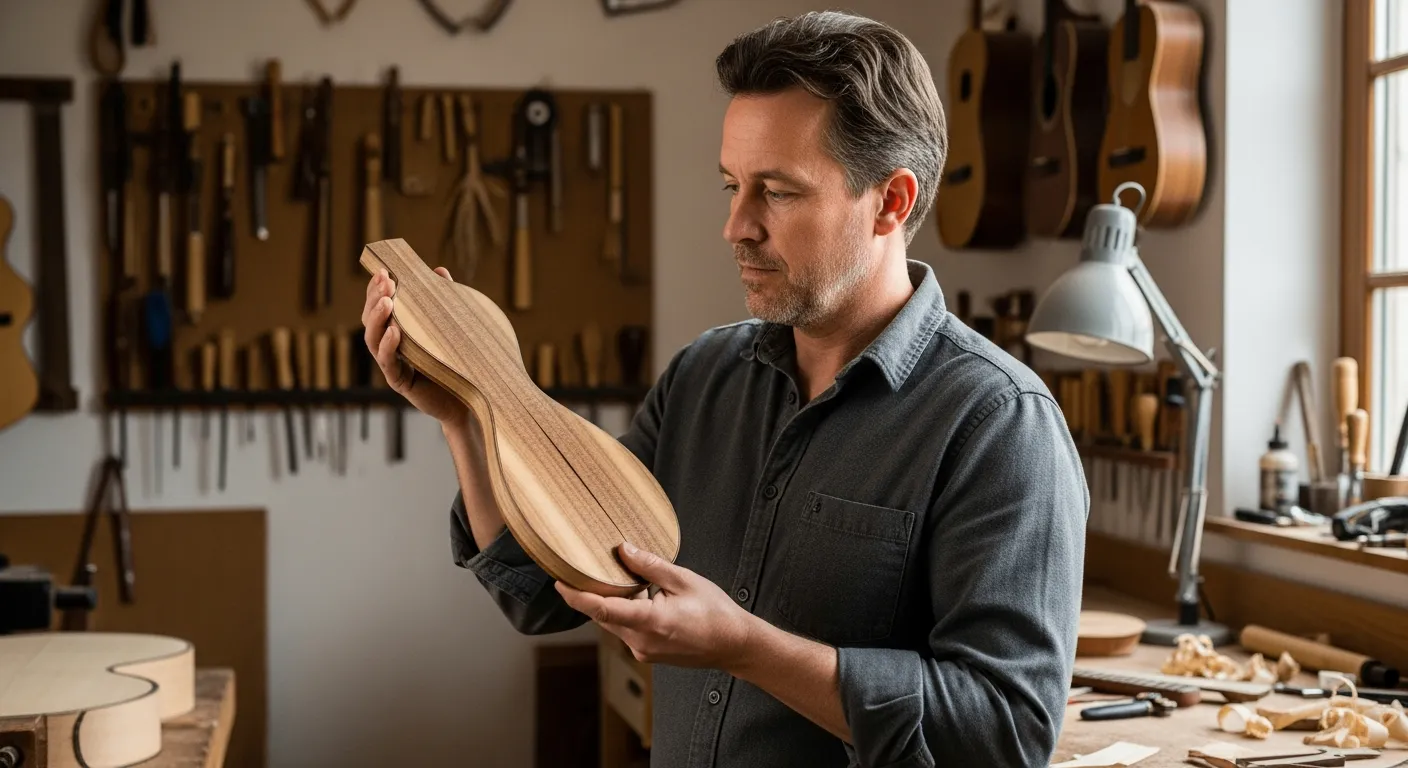
The tree’s size also allows for the production of large pieces of timber, which is beneficial for creating instrument bodies. The fact that it’s used in furniture and construction highlights its strength and durability.
Knowing the source of your materials is becoming increasingly important in the lutherie world. This allows builders to make informed decisions about the sustainability and ethical implications of their work.
Supporting responsible forestry practices ensures that future generations can enjoy the benefits of this remarkable tonewood. It’s a small step that can have a significant impact on the preservation of our planet’s resources.
The Appearance and Physical Characteristics of Movingui
Movingui is known for its attractive appearance, which contributes to its popularity in both furniture making and lutherie. The heartwood ranges from a pale yellow to a golden-brown color, often with a subtle luster.
This coloration can deepen with age and exposure to light, enhancing its visual appeal. The grain is typically straight to slightly interlocked, providing a smooth surface that’s easy to work with.
In terms of physical characteristics, movingui has a medium density, typically around 44 lbs/cubic foot when dried. This density contributes to its excellent sound properties, making it a suitable choice for musical instruments.
It also has good stability, meaning it’s less prone to warping or cracking compared to some other tonewoods. The movingui properties extend to its workability, as it machines well and accepts finishes beautifully.
The luster of the wood gives instruments a beautiful sheen, even before a finish is applied. Its consistent grain pattern makes it predictable to work with, reducing the risk of unexpected issues during the build process.
The medium density is ideal for creating a balanced tone, offering both warmth and clarity. This also contributes to the instrument’s overall weight, which can affect its playability and comfort.
The stability of movingui is especially important for instruments that will be exposed to varying humidity levels. This helps to ensure that the instrument maintains its shape and sound quality over time.
The fact that it accepts finishes well means that luthiers have a wide range of options for customizing the look of their instruments. This allows for greater creativity and personalization in the design process.
Overall, the appearance and physical characteristics of movingui make it a highly desirable tonewood for a variety of applications. Its combination of beauty, workability, and stability makes it a favorite among luthiers and woodworkers alike.
Tonal Qualities of Movingui in Musical Instruments
The tonal qualities of movingui are a significant reason why luthiers choose it for instrument making. It’s often compared to maple or mahogany, but with its own distinct sonic character.
Movingui provides a bright, clear tone with good sustain and a balanced frequency response. It tends to emphasize the fundamental tones, making it ideal for instruments where clarity and articulation are desired.
| Property | Description | Benefit for Instruments |
|---|---|---|
| Density | Medium (44 lbs/cubic foot) | Good balance of tone and weight |
| Grain | Straight to slightly interlocked | Even sound transmission |
| Stiffness | Moderate | Contributes to sustain |
| Damping | Low | Bright, clear tone |
These qualities make it a versatile option for various instrument types. Its responsiveness also makes it well-suited for fingerstyle playing, where nuances in touch are important.
The brightness of the tone makes it particularly well-suited for instruments that need to cut through a mix. The good sustain allows notes to ring out clearly, adding to the overall richness of the sound.
The balanced frequency response ensures that all frequencies are represented evenly, preventing the instrument from sounding muddy or thin. The emphasis on fundamental tones provides a solid foundation for the instrument’s sound.
This makes it easier to hear individual notes and chords, which is especially important for complex musical passages. Its responsiveness means that the instrument reacts quickly and accurately to the player’s input.
This allows for greater control over the dynamics and expression of the music. In summary, the tonal qualities of movingui make it a valuable and versatile tonewood for luthiers seeking a bright, clear, and balanced sound.
It provides a unique sonic palette that can enhance the performance of a wide range of musical instruments. Exploring these qualities further can lead to exciting new sounds and possibilities in instrument design.
Working with Movingui: Tips and Techniques
Movingui is generally considered a pleasure to work with, which is another reason for its growing popularity among luthiers. It machines cleanly with minimal tear-out, even when working against the grain.
Sharp tools are essential to achieve the best results, especially when carving or shaping intricate details. The wood glues well, creating strong and reliable joints in instrument construction.
Sanding movingui is straightforward, producing a smooth surface that’s ready for finishing. Because the wood can be slightly oily, it’s recommended to wipe it down with a solvent before applying a finish.
This ensures proper adhesion and prevents any potential issues with the finish curing properly. When bending movingui, steaming or soaking the wood beforehand can help prevent cracking and allow for smoother curves.
Using a backing board when machining thin pieces of movingui can further minimize the risk of tear-out. When gluing, clamping pressure should be firm but not excessive to avoid crushing the wood fibers.
A good quality wood glue, such as Titebond, will provide a strong and lasting bond. When sanding, start with a coarser grit sandpaper and gradually move to finer grits to achieve a smooth finish.
Pay close attention to the grain direction when sanding to avoid scratching the surface. A tack cloth can be used to remove any remaining dust before applying the finish.
Experimenting with different bending techniques will help you find the method that works best for you and the specific project. Always wear appropriate safety gear, such as eye protection and a dust mask, when working with wood.
By following these tips and techniques, you can successfully work with movingui and create beautiful and functional musical instruments. Its workability makes it a rewarding choice for both novice and experienced luthiers.
Finishing Movingui to Enhance its Natural Beauty
Finishing movingui is a great way to enhance its natural beauty and protect it from the elements. The wood responds well to a variety of finishes, including lacquer, varnish, and oil-based products.
A clear finish is often preferred to showcase the wood’s natural color and grain pattern. Applying a sanding sealer before the final finish can help fill the pores and create an even smoother surface.
- Use a sharp blade
- Sand with the grain
- Apply thin coats of finish
- Allow proper drying time
- Buff to a high gloss
For those wanting to add a touch of color, stains can be used to deepen or alter the wood’s tone. However, it’s best to test the stain on a small, inconspicuous area first to ensure the desired effect.
When applying a finish, work in a well-ventilated area and wear appropriate safety gear. Multiple thin coats of finish are generally better than one thick coat, as they are less likely to run or drip.
Allow each coat of finish to dry completely before applying the next. Lightly sanding between coats can help to create a smoother surface and improve adhesion.
Buffing the final coat of finish will give the instrument a high-gloss shine. Different types of finishes will produce different results, so it’s important to experiment to find the one that you prefer.
Oil-based finishes tend to enhance the natural warmth and depth of the wood, while lacquer finishes provide a more durable and protective coating. Consider the type of instrument and its intended use when choosing a finish.
Properly finishing movingui will not only enhance its beauty but also protect it from moisture, scratches, and other damage. A well-finished instrument will last for many years and provide a lifetime of enjoyment.
Common Uses of Movingui in Luthierie
Movingui’s tonal and physical properties make it suitable for a wide range of musical instruments. It’s commonly used for guitar backs and sides, providing a balanced and articulate sound.
Some luthiers also use it for guitar tops, particularly in instruments where a brighter tone is desired. In the realm of ukulele construction, movingui can contribute to a clear and projecting sound.
It’s also used in mandolins and other stringed instruments, offering a unique tonal palette compared to more traditional tonewoods. Movingui can be an excellent choice for necks due to its stability and workability.
Its use isn’t limited to stringed instruments; some woodwind instrument makers have also experimented with movingui. Ultimately, the versatility of this tonewood allows luthiers to explore new sonic possibilities.
For guitar backs and sides, it offers a good balance between warmth and clarity, making it suitable for a variety of playing styles. Its stability is particularly beneficial for necks, as it helps to prevent warping and twisting.
In ukuleles, it can provide a brighter and more projecting sound than some other traditional tonewoods. This makes it a good choice for players who want their instrument to be heard clearly.
Its use in mandolins and other stringed instruments allows luthiers to create instruments with a unique sonic character. The fact that some woodwind instrument makers have experimented with it highlights its versatility.
As more luthiers discover the benefits of movingui, its use in instrument making is likely to continue to grow. Its unique combination of tonal and physical properties makes it a valuable addition to the luthier’s palette.
Experimenting with movingui in different instrument designs can lead to exciting new sonic possibilities and innovations. Exploring these possibilities further can help to expand the boundaries of musical instrument making.
Comparing Movingui to Other Tonewoods
When considering tonewoods for lutherie, it’s helpful to compare movingui to other popular choices like mahogany, maple, and rosewood. Mahogany is known for its warm, mellow tone and is often used for guitar backs and sides.
Movingui shares some similarities with mahogany in terms of workability but offers a brighter, more articulate sound. Maple is prized for its clarity and projection, making it a favorite for archtop guitars and violin family instruments.
Compared to maple, movingui has a slightly warmer tone with a bit more emphasis on the fundamental frequencies. Rosewood, especially Brazilian rosewood, is highly sought after for its rich overtones and complex sound.
While movingui may not have the same level of complexity as rosewood, it provides a balanced and clear tone that can be a great alternative. Each of these tonewoods brings its own unique character to an instrument, and the choice depends on the desired sound and aesthetic.
Mahogany tends to produce a more focused and direct sound, while movingui offers a slightly wider frequency response. Maple is often preferred for its crispness and definition, making it ideal for instruments that need to project clearly.
Rosewood’s complexity and overtones add a richness and depth to the sound that is highly prized by many players. However, rosewood can also be more challenging to work with due to its density and oily nature.
Movingui offers a good compromise between workability and tonal complexity, making it a versatile choice for a variety of instruments. Ultimately, the best tonewood for a particular instrument depends on the individual luthier’s preferences and the desired sound.
Experimenting with different tonewoods is a key part of the lutherie process, allowing builders to discover new and exciting sonic possibilities. Understanding the characteristics of each tonewood is essential for creating instruments with exceptional sound and beauty.
Consider the specific tonal goals for the instrument when making your choice. The overall construction and design of the instrument will also influence the final sound, so it’s important to consider all of these factors together.
The Sustainability of Movingui Harvesting
As with any natural resource, the sustainability of movingui harvesting is an important consideration for environmentally conscious luthiers. Responsible forestry practices are essential to ensure the long-term availability of this tonewood.
Certification programs like the Forest Stewardship Council (FSC) help promote sustainable harvesting by setting standards for forest management. Look for movingui that’s certified as sustainably harvested to support responsible forestry.
Some suppliers also work directly with local communities to ensure that harvesting provides economic benefits while protecting the forest. By choosing sustainably sourced movingui, luthiers can contribute to the preservation of these valuable ecosystems.
This not only protects the environment but also supports the communities that depend on the forest for their livelihoods. It’s a way to ensure that future generations can continue to enjoy the beauty and sound of instruments made with movingui.
Supporting sustainable harvesting practices also helps to maintain the biodiversity of the forests where movingui grows. This is important for the overall health of the ecosystem and the long-term survival of many plant and animal species.
Choosing sustainably sourced wood can also have a positive impact on the local economy, providing jobs and income for communities that depend on the forest. By supporting responsible forestry, luthiers can help to create a more sustainable and equitable future.
Consumers are becoming increasingly aware of the importance of sustainability, and they are more likely to support businesses that are committed to responsible practices. Using sustainably sourced materials can be a valuable marketing tool, helping to attract customers who are concerned about the environment.
It’s important to ask your suppliers about their sourcing practices and to look for certification labels that verify the sustainability of the wood. By making informed choices, luthiers can play a significant role in promoting responsible forestry and protecting our planet’s resources.
Consider the long-term impact of your choices and make a commitment to using sustainably sourced materials whenever possible. This will not only benefit the environment but also enhance the reputation of your business and contribute to a more sustainable future for all.
Conclusion
Movingui is a versatile and attractive tonewood that offers a unique combination of tonal and physical properties. Its bright, clear tone, combined with its workability and stability, makes it a great choice for a variety of musical instruments.
Whether you’re building guitars, ukuleles, or other stringed instruments, movingui provides a distinct sonic character that can enhance the sound and beauty of your creations. By understanding its properties and working with it responsibly, you can unlock the full potential of this intriguing African tonewood.
Its growing popularity among luthiers is a testament to its unique qualities and versatility. As more builders experiment with movingui, we are likely to see even more innovative and exciting applications of this tonewood.
By choosing sustainably sourced movingui, you can also contribute to the preservation of valuable ecosystems and support responsible forestry practices. This is a way to ensure that future generations can continue to enjoy the benefits of this remarkable tonewood.
Take the time to explore the possibilities of movingui and discover how it can enhance your instrument making. Its unique sonic character and workability make it a valuable addition to any luthier’s palette.