
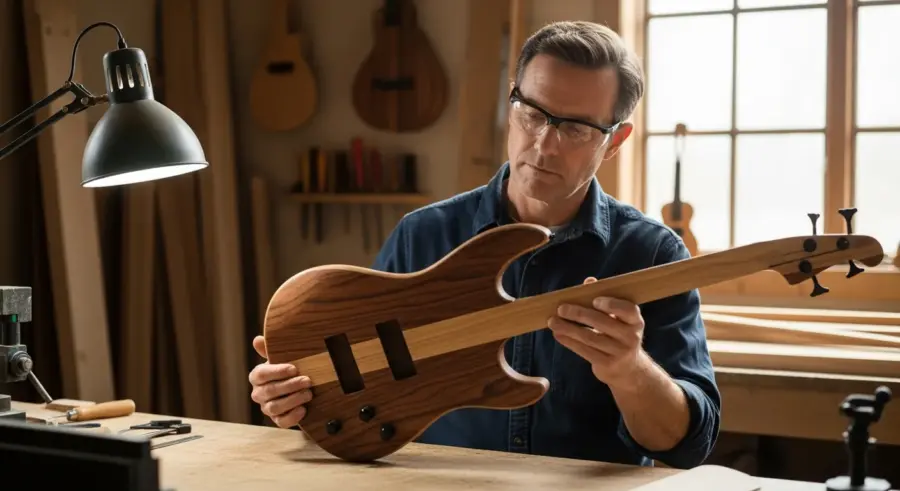
When it comes to crafting the perfect bass guitar, the choice of tonewood is paramount. A bubinga bass guitar body offers a unique blend of sonic characteristics, aesthetic appeal, and structural integrity. Let’s examine why bubinga might be the ideal choice for your next instrument.
This dense and visually striking wood has found favor among luthiers and bassists alike. Its robust nature translates into a powerful and articulate sound, making it a standout option for players seeking a distinctive voice.
In this article, we’ll explore the origins, physical characteristics, tonal properties, and workability of bubinga. We’ll also compare it to other popular tonewoods, providing you with a comprehensive understanding of its potential for your bubinga bass guitar body project.
Bubinga’s Origins and Physical Characteristics
Bubinga, scientifically known as Guibourtia spp., is a hardwood native to equatorial Africa. It grows primarily in Cameroon, Gabon, and other West African countries.
The trees can reach impressive heights of up to 130-150 feet, with trunk diameters exceeding 6 feet. This substantial size allows for the harvesting of large, clear cuts of lumber, ideal for creating bubinga bass guitar body blanks.
Bubinga is known for its exceptional density, typically ranging from 50 to 56 pounds per cubic foot when dry. This high bubinga density contributes to its strength, stability, and unique tonal properties.
The heartwood of bubinga exhibits a reddish-brown hue, often with striking figure and grain patterns. Sapwood is a paler yellowish color and is often removed during processing.
The specific species within the Guibourtia genus can influence the exact color and figure of the wood. Variations in soil composition and growing conditions also contribute to the unique characteristics of each bubinga tree.
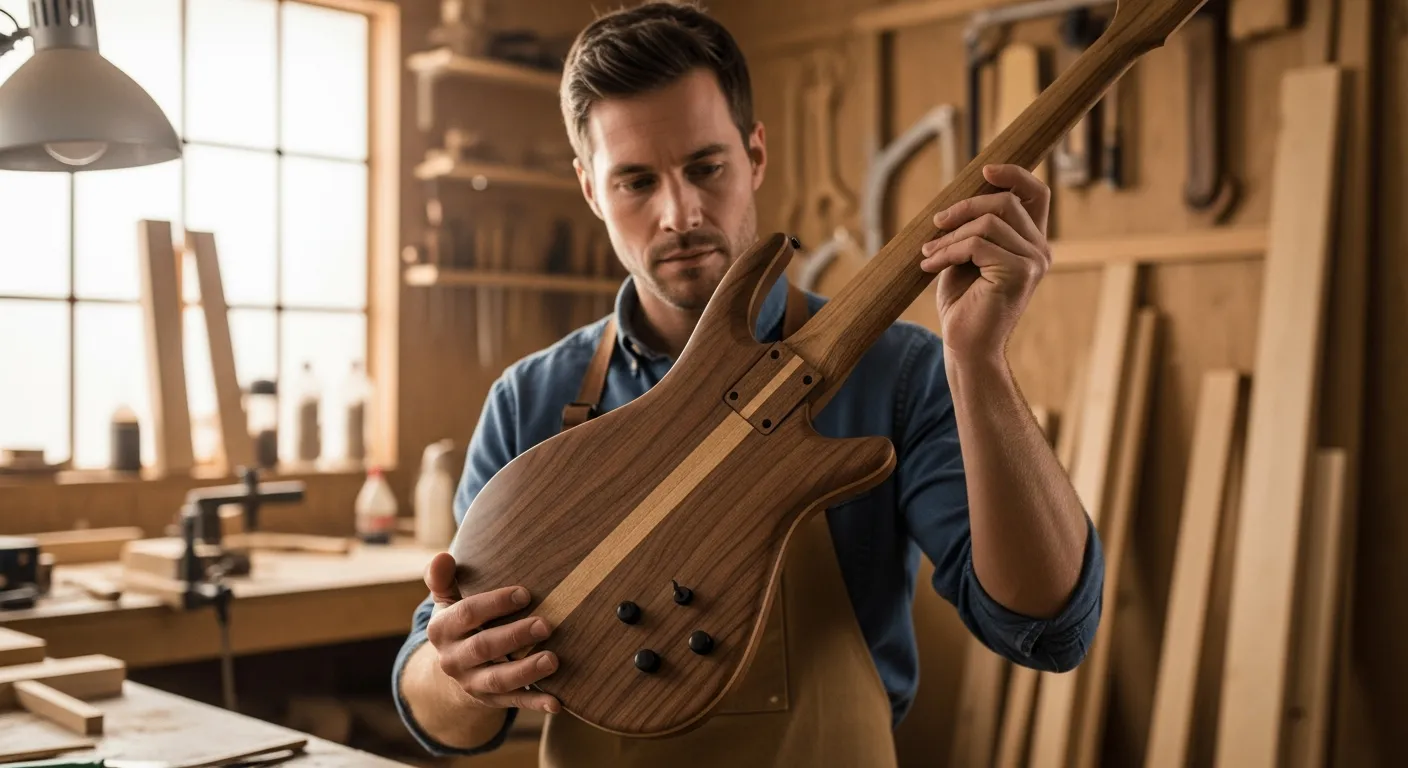
Bubinga’s density makes it resistant to dents and scratches, making it a durable choice for instrument bodies. This resilience ensures that your bubinga bass guitar body will maintain its appearance for years to come.
The wood’s tight grain also contributes to its resistance to moisture absorption. This is crucial for maintaining the stability of the instrument, especially in fluctuating climates.
The reddish-brown color of bubinga deepens with age, adding to its aesthetic appeal. A well-maintained bubinga bass guitar body will develop a rich, warm patina over time.
The Tonal Impact of Bubinga on Bass Guitar Sound
The inherent density of bubinga significantly influences the tone of a bass guitar. Its hard nature promotes bright, clear tones with plenty of sustain.
A bubinga bass guitar body tends to produce a focused and articulate sound, with a strong fundamental and well-defined harmonics. This makes it a good choice for bassists who value clarity and precision in their playing.
Bubinga’s tonal characteristics can be described as sitting between the warmth of mahogany and the brightness of maple. It offers a balanced sonic palette that works well in a variety of musical styles.
The wood’s ability to project low frequencies with clarity is also a major asset. Bass guitars with bubinga bodies often exhibit a punchy and responsive low end, making them suitable for genres like funk, rock, and metal.
The sustain provided by a bubinga body allows notes to ring out clearly and evenly. This is particularly beneficial for bassists who use techniques like tapping or harmonics.
Compared to softer woods, bubinga offers a tighter and more focused bass response. This contributes to a well-defined and articulate sound, even in the lower registers.
The clarity of bubinga also makes it a good choice for extended-range bass guitars. The wood’s ability to maintain clarity across a wide frequency range ensures that each note is distinct and well-defined.
Bubinga’s tonal properties can be further enhanced by pairing it with different neck and fretboard materials. A maple neck can add brightness and snap, while a rosewood fretboard can add warmth and sustain.
Bubinga’s Strength and Stability for Instrument Building
Beyond its tonal qualities, bubinga is valued for its exceptional strength and stability. These characteristics are essential for creating instruments that can withstand the stresses of string tension and environmental changes.
The high bubinga density translates into a robust structure that resists warping and twisting over time. This is particularly important for bass guitars, which are subjected to considerable string tension.
| Property | Bubinga | Maple | Mahogany |
|---|---|---|---|
| Density (lbs/ft3) | 50-56 | 35-45 | 30-35 |
| Janka Hardness (lbs) | 1980 | 1450 | 800-900 |
| Dimensional Stability | Excellent | Good | Fair |
| Typical Use | Bass bodies, tops | Necks, tops | Bodies, necks |
Bubinga’s stability also makes it a reliable choice for neck construction, although its weight can be a consideration. When used in a neck, it contributes to enhanced sustain and a solid feel.
The dimensional stability of bubinga ensures that the instrument will maintain its setup and intonation over time. This reduces the need for frequent adjustments and maintenance.
The wood’s resistance to warping also makes it a good choice for instruments that are frequently transported or exposed to varying temperatures and humidity levels. Bubinga can withstand these conditions better than many other tonewoods.
The strength of bubinga also allows for thinner neck profiles without sacrificing stability. This can result in a more comfortable and playable instrument.
Bubinga’s stability contributes to its longevity as an instrument-building material. A well-crafted bubinga bass guitar body will last for generations with proper care.
Working with Bubinga: Tips for Cutting, Shaping, and Finishing
Working with bubinga presents some challenges due to its hardness and density. However, with the right tools and techniques, luthiers can achieve excellent results.
When cutting bubinga, sharp, high-quality saw blades are essential to prevent tear-out and ensure clean edges. Carbide-tipped blades are recommended for their durability and cutting efficiency.
Shaping bubinga requires patience and a steady hand, as it can be resistant to carving and sanding. Power tools such as routers and spindle sanders can be helpful, but it’s important to use them carefully to avoid over-sanding or creating uneven surfaces.
Due to its tight grain, bubinga typically finishes well, accepting stains and clear coats evenly. A thorough sanding is crucial to achieve a smooth surface before applying any finish.
When drilling holes in bubinga, use sharp drill bits and apply consistent pressure to prevent splintering. Pre-drilling pilot holes is recommended for screw installations.
Sanding bubinga requires progressively finer grits of sandpaper to achieve a smooth and even surface. Avoid using excessive pressure, as this can lead to uneven sanding.
When applying a finish to bubinga, thin coats are preferable to thick coats. This allows the finish to penetrate the wood evenly and prevents runs or drips.
Allow sufficient drying time between coats of finish to ensure proper curing and adhesion. This will result in a durable and long-lasting finish.
Bubinga’s Visual Appeal: Grain Patterns and Color Variations
Beyond its sonic and structural properties, bubinga is highly prized for its striking appearance. The wood exhibits a range of grain patterns and color variations that make it a visually appealing choice for instrument building.
The heartwood of bubinga typically displays a reddish-brown hue, which can range from a light pinkish-brown to a deep, rich red. This color is often complemented by darker streaks and figuring, adding depth and character to the wood.
- Flat sawn grain
- Quartersawn grain
- Figured grain
- Pommele bubinga
- Waterfall bubinga
The grain patterns in bubinga can vary from straight and uniform to highly figured, depending on the cut and the specific tree. Figured bubinga, such as pommele or waterfall varieties, is particularly sought after for its exotic and eye-catching appearance.
Flat-sawn bubinga exhibits a cathedral-like grain pattern, which is created by the annual growth rings of the tree. This grain pattern is often used for its visual interest and unique character.
Quartersawn bubinga has a straight and uniform grain pattern, which is more stable and less prone to warping than flat-sawn wood. This grain pattern is often preferred for neck construction.
Pommele bubinga features a distinctive quilted or blistered appearance, which is caused by irregular grain growth. This grain pattern is highly prized for its three-dimensional effect and exotic look.
Waterfall bubinga exhibits a flowing, cascading grain pattern, which resembles a waterfall. This grain pattern is also highly sought after for its unique and eye-catching appearance.
Bubinga vs. Other Tonewoods for Bass Guitars
When selecting a tonewood for a bass guitar body, it’s essential to consider how different species compare in terms of tone, weight, and workability. Bubinga offers a unique set of characteristics that set it apart from other popular options.
Compared to mahogany, bubinga is denser and brighter, with a more focused and articulate sound. Mahogany tends to be warmer and more mellow, with a softer attack.
Maple, another common tonewood, is known for its brightness and clarity. Bubinga offers a similar level of clarity but with a warmer and more balanced tonal spectrum.
Ash is often used for bass guitar bodies due to its balanced tone and light weight. Bubinga is heavier than ash and has a more pronounced midrange response, making it suitable for players seeking a more aggressive sound.
Swamp ash, a lighter variety of ash, is known for its resonant and airy tone. Bubinga offers a more focused and punchy sound compared to swamp ash.
Alder is another popular tonewood for bass guitar bodies, known for its balanced tone and comfortable weight. Bubinga is heavier than alder and has a more pronounced midrange response.
Walnut offers a warm and balanced tone with good sustain. Bubinga is brighter and more articulate than walnut, with a more pronounced high-end response.
Each tonewood offers a unique set of tonal characteristics, and the best choice depends on the player’s individual preferences and the desired sound.
Bubinga’s Role in Neck Construction and Fretboard Choices
While bubinga is most commonly associated with bass guitar bodies, its use extends to other parts of the instrument as well. It can be employed in neck construction, offering a stiff and stable platform for the fretboard.
A bubinga neck contributes to enhanced sustain and a solid feel, providing a responsive playing experience. However, the added weight of a bubinga neck should be carefully considered, as it can affect the overall balance of the instrument.
When pairing a bubinga body with a bubinga neck, it’s important to choose a fretboard material that complements the wood’s tonal characteristics. Maple fretboards can enhance the brightness and clarity, while rosewood fretboards can add warmth and sustain.
Ebony fretboards offer a smooth and articulate playing surface, which works well with the focused sound of bubinga. Ultimately, the choice of fretboard material depends on the player’s personal preferences and the desired tonal outcome.
Pau Ferro, also known as Bolivian Rosewood, is a dense and hard tonewood that offers a bright and articulate tone. It can be a good alternative to rosewood for fretboards, providing a similar warmth and sustain.
Wenge is a dark and dense African hardwood that offers a bright and punchy tone. It can be used for fretboards to add clarity and definition to the overall sound of the instrument.
The combination of a bubinga neck and body can create a very stiff and stable instrument, which can be beneficial for players who prefer a very responsive and articulate playing experience.
However, it’s important to consider the overall weight of the instrument when using bubinga for both the neck and body. The added weight can make the instrument less comfortable to play for extended periods.
Hardware and Electronics Considerations for Bubinga Bass Guitars
The choice of hardware and electronics can significantly impact the overall sound and performance of a bubinga bass guitar. Selecting components that complement the wood’s tonal characteristics is essential for achieving the desired outcome.
High-mass bridges can enhance sustain and improve the transfer of energy from the strings to the body. These bridges can be particularly effective on bubinga bass guitars, which already possess excellent sustain properties.
Pickups with a clear and articulate response can help to accentuate bubinga’s natural clarity. Single-coil pickups, such as those found in Fender Jazz basses, can provide a bright and punchy tone that complements the wood’s inherent characteristics.
Humbucking pickups, on the other hand, can offer a thicker and more aggressive sound, which can be useful for heavier musical styles. Active electronics can provide additional tonal shaping options, allowing players to fine-tune their sound to suit their specific needs.
The type of strings used on a bubinga bass guitar can also affect the overall tone. Stainless steel strings tend to be brighter and more articulate, while nickel strings offer a warmer and more mellow sound.
The gauge of the strings can also impact the playability and tone of the instrument. Lighter gauge strings are easier to play but may produce a thinner sound, while heavier gauge strings offer more sustain and a fuller tone.
The choice of tuning machines can also affect the stability and tuning accuracy of the instrument. High-quality tuning machines will hold their tuning better and provide a smoother and more precise tuning experience.
The overall setup of the instrument, including the string height, intonation, and neck relief, can also significantly impact the playability and tone. A properly set up instrument will be easier to play and will produce a more consistent and balanced sound.
Finishing Techniques to Enhance Bubinga’s Natural Beauty
The finishing process plays a crucial role in enhancing the visual appeal of a bubinga bass guitar. Different finishing techniques can bring out the wood’s natural color and grain patterns, creating a stunning and unique instrument.
Clear coats, such as lacquer or polyurethane, are often used to protect the wood and provide a glossy finish. These finishes allow the natural color and grain of the bubinga to shine through, showcasing its inherent beauty.
Staining can be used to alter the color of the bubinga, adding depth and richness to the wood. Warm-toned stains, such as amber or brown, can enhance the reddish-brown hues of the bubinga, creating a vintage-inspired look.
For figured bubinga, a burst finish can be particularly effective in highlighting the wood’s grain patterns. A burst finish involves applying a darker color around the edges of the body, gradually fading to a lighter color in the center.
Oil finishes, such as tung oil or linseed oil, can provide a more natural and tactile feel to the wood. These finishes penetrate the wood and enhance its natural color and grain patterns.
Wax finishes can be applied over oil finishes to provide additional protection and a smoother feel. Wax finishes also add a subtle sheen to the wood.
A satin finish can be used to reduce the glossiness of the wood and provide a more subtle and understated look. Satin finishes are often preferred by players who prefer a less reflective surface.
The choice of finish depends on the player’s personal preferences and the desired aesthetic outcome. Experimenting with different finishes can help to bring out the unique beauty of bubinga.
Bubinga in Different Bass Guitar Styles: From Slap to Metal
The versatility of bubinga as a tonewood makes it suitable for a wide range of bass guitar styles and playing techniques. Its balanced tonal characteristics and articulate response allow it to excel in various musical genres.
For slap bass, bubinga’s bright and punchy sound can be particularly effective. The wood’s clear and articulate response allows the percussive elements of slap bass to cut through the mix, creating a dynamic and engaging sound.
In rock and metal, bubinga’s aggressive midrange and focused low end can provide a powerful and driving tone. The wood’s ability to project low frequencies with clarity makes it well-suited for creating a solid and impactful bass line.
For more mellow styles, such as jazz and blues, bubinga’s warm and balanced tonal spectrum can provide a smooth and nuanced sound. By adjusting the tone controls and pickup selection, players can dial in a warm and woody tone that complements the genre.
In funk music, bubinga’s articulate response and punchy tone can be used to create a driving and syncopated bass line. The wood’s clarity allows each note to be heard distinctly, even in complex rhythmic patterns.
In reggae music, bubinga’s warm and balanced tone can provide a solid and grounding foundation for the music. The wood’s sustain allows notes to ring out clearly and evenly, creating a smooth and flowing sound.
In country music, bubinga’s articulate response and balanced tone can be used to create a clean and precise bass line. The wood’s clarity allows each note to be heard distinctly, even in complex chord progressions.
Ultimately, the versatility of bubinga makes it a good choice for any bassist who is looking for a tonewood that can handle a wide range of musical styles and playing techniques.
Conclusion
A bubinga bass guitar body offers a compelling combination of sonic characteristics, structural integrity, and visual appeal. Its density contributes to a bright, clear tone with plenty of sustain, making it a standout choice for bassists who value clarity and precision.
While working with bubinga can present some challenges due to its hardness, the results are well worth the effort. The wood’s striking grain patterns and color variations make it a visually stunning choice for instrument building.
Whether you’re a seasoned luthier or a bassist looking to upgrade your instrument, consider the possibilities of a bubinga bass guitar body. Its unique blend of qualities can help you achieve your desired sound and create an instrument that stands out from the crowd.
The long-term durability and stability of bubinga make it a worthwhile investment for any serious bassist. A well-maintained bubinga bass guitar body will provide years of reliable performance and enjoyment.
The unique tonal characteristics of bubinga can inspire new creative ideas and playing techniques. Exploring the possibilities of this tonewood can help you to develop your own signature sound.
The visual beauty of bubinga can make your bass guitar a true work of art. A well-crafted bubinga bass guitar body is sure to turn heads and impress audiences.
Consider all the factors discussed in this article when deciding if bubinga is the right choice for your next bass guitar project. With careful planning and execution, you can create an instrument that meets your specific needs and exceeds your expectations.