
Conclusion
African Blackwood is a truly exceptional timber that has earned its place as the premier choice for crafting high-end woodwind instruments. Its unique combination of density, stability, and acoustic properties makes it ideal for achieving exceptional sound quality and playability.
However, the rarity and slow growth rate of African Blackwood demand responsible sourcing practices to ensure its long-term availability. By supporting sustainable initiatives and exploring alternative materials, we can help protect this precious resource and preserve its legacy in the world of music.
African Blackwood, scientifically known as Dalbergia melanoxylon, stands as one of the most prized and valuable timbers in the world. Its exceptional density, stability, and tonal qualities make it the top choice for crafting high-end woodwind instruments, particularly the african blackwood clarinet.
This article explores the unique properties of African Blackwood, its significance in luthierie, and the importance of sustainable sourcing. We will also cover the challenges of working with this material, finishing techniques, and suitable alternatives for those seeking similar characteristics.
Whether you’re a seasoned instrument maker or simply curious about the materials behind your favorite clarinet, this guide provides valuable insights into the world of African Blackwood. Prepare to discover why this timber is so highly regarded and what makes it essential for achieving exceptional sound quality in musical instruments.
African Blackwood: Rarity, Density, and Acoustic Properties
African Blackwood is a slow-growing tree native to the dry savanna regions of eastern and southern Africa. Its limited distribution and slow growth rate contribute to its rarity and high cost.
The tree typically reaches a height of only 15-25 feet, with a relatively small diameter, which further limits the availability of large, clear pieces of timber. This scarcity makes responsible african blackwood sourcing even more critical.
One of the defining african blackwood properties is its exceptional density, typically ranging from 79 lbs/cubic foot when dry. This high density contributes to its superior hardness, stability, and resistance to cracking, making it ideal for crafting instruments that require precise dimensions and consistent performance.
The acoustic properties of African Blackwood are equally remarkable. Its density and stiffness enable it to produce a clear, focused, and resonant tone, making it highly sought after by instrument makers.
The slow growth of the tree contributes to the tight grain structure, further enhancing its density and stability. This also impacts the tonal qualities, making the wood resonate in a unique and desirable way.
The rarity of African Blackwood also stems from the specific environmental conditions it requires to thrive. These conditions are only found in a few regions, further limiting its availability and increasing its value.
The combination of density and acoustic properties makes it perfect for musical instruments. These qualities allow for the creation of instruments that produce a rich, full sound with excellent projection.
The high density also contributes to the instrument’s ability to withstand the rigors of frequent use and varying environmental conditions. This is essential for professional musicians who rely on their instruments for their livelihood.
Why African Blackwood is Ideal for Clarinets and Oboes
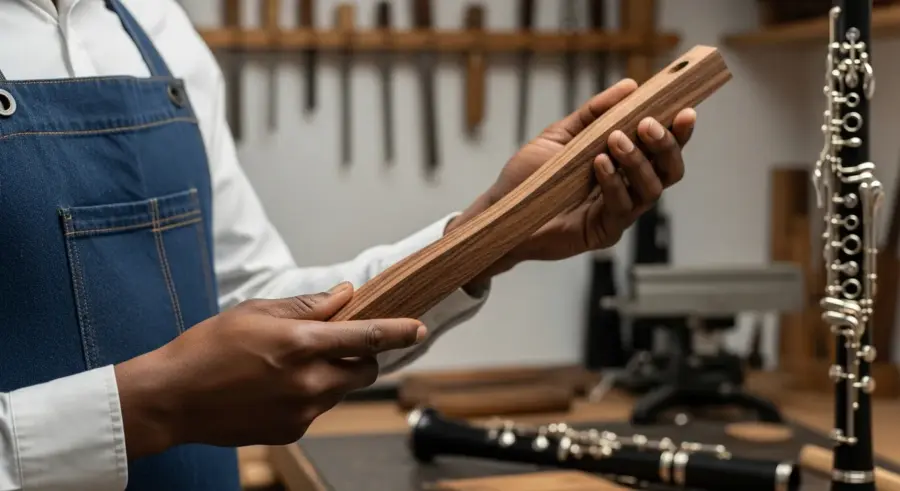
The unique combination of density, stability, and acoustic properties makes African Blackwood the premier choice for clarinets, oboes, and other high-end woodwind instruments. Its density allows for precise machining and the creation of intricate keywork mechanisms.
The stability of the wood ensures that the instrument maintains its shape and dimensions over time, even under varying temperature and humidity conditions. This is crucial for maintaining accurate intonation and consistent playability.
The tonal qualities of African Blackwood are particularly prized by clarinet and oboe players. The wood’s density and stiffness contribute to a focused, clear, and resonant sound with excellent projection, allowing musicians to achieve a wide range of dynamics and tonal colors.
The african blackwood clarinet is known for its rich, warm tone and its ability to produce both delicate pianissimo passages and powerful fortissimo outbursts. This versatility makes it a favorite among professional musicians and serious students alike.
The precise machining possible with African Blackwood allows for the creation of incredibly accurate tone holes. This accuracy is essential for achieving precise intonation across the entire range of the instrument.
The stability of the wood also contributes to the longevity of the instrument. With proper care, a clarinet or oboe made from African Blackwood can last for generations.
The focused sound produced by African Blackwood allows musicians to easily control their tone and articulation. This control is essential for expressive playing and allows musicians to convey a wide range of emotions.
The resonance of the wood enhances the overall sound quality, adding depth and richness to the tone. This resonance is particularly important for solo performances, where the instrument needs to project clearly and fill the room.
The Importance of Sourcing African Blackwood Sustainably
Given the rarity and slow growth rate of African Blackwood, sustainable sourcing practices are essential to ensure its long-term availability. Irresponsible harvesting can lead to deforestation, habitat loss, and the depletion of this valuable resource.
Many organizations and initiatives are working to promote sustainable african blackwood sourcing through responsible forest management, certification programs, and community-based conservation efforts. By supporting these initiatives, instrument makers and musicians can help protect this precious resource for future generations.
| Certification | Focus | Benefits |
|---|---|---|
| FSC (Forest Stewardship Council) | Ensures responsible forest management | Promotes biodiversity, protects worker rights, ensures traceability |
| CITES (Convention on International Trade in Endangered Species) | Regulates international trade of endangered species | Helps prevent overexploitation and illegal trade |
| Fair Trade | Focuses on fair labor practices and community development | Supports sustainable livelihoods for local communities |
| Rainforest Alliance | Promotes sustainable agriculture and forestry | Protects ecosystems, conserves water, reduces pollution |
When purchasing African Blackwood, look for suppliers who are committed to sustainable practices and can provide documentation to verify the origin and legality of their timber. This helps ensure that the wood you are using has been harvested responsibly and does not contribute to deforestation or illegal logging.
Sustainable sourcing also involves supporting local communities that depend on African Blackwood forests for their livelihoods. By providing fair wages and promoting sustainable economic development, we can help ensure that these communities have a vested interest in protecting the forests.
Reforestation efforts are also crucial for ensuring the long-term availability of African Blackwood. Planting new trees can help to replace those that have been harvested and restore degraded forest areas.
Consumers also play a vital role in promoting sustainable sourcing. By choosing instruments made from sustainably sourced African Blackwood, musicians can send a message to manufacturers that they value responsible environmental practices.
Ultimately, the future of African Blackwood depends on a collective effort from governments, organizations, businesses, and individuals. By working together, we can ensure that this precious resource remains available for generations to come.
Working with African Blackwood: Challenges and Techniques
Working with African Blackwood presents several challenges due to its extreme density and hardness. The wood can be difficult to cut, shape, and drill, requiring specialized tools and techniques.
Proper preparation is crucial when working with this material. This includes using sharp, high-quality cutting tools, such as carbide-tipped saw blades and drill bits, to minimize tear-out and prevent damage to the wood.
When drilling, it’s important to use slow speeds and apply consistent pressure to avoid overheating the drill bit and burning the wood. Pre-drilling pilot holes for screws and other fasteners is also recommended to prevent splitting and ensure a secure hold.
Sanding African Blackwood can be time-consuming due to its hardness. Start with a coarse grit sandpaper to remove any imperfections and gradually work your way up to finer grits to achieve a smooth, polished surface.
Due to its density, African Blackwood can also be challenging to bend. If bending is required, steaming the wood can help to soften it and make it more pliable.
The wood’s high oil content can also interfere with the adhesion of some glues and finishes. It’s important to thoroughly clean the surface of the wood with a solvent before applying any adhesives or coatings.
Dust extraction is essential when working with African Blackwood, as the dust can be irritating to the skin and respiratory system. Wearing a dust mask and using a dust collection system is highly recommended.
Despite these challenges, the beauty and tonal qualities of African Blackwood make it a worthwhile material to work with. With the right tools and techniques, instrument makers can create stunning and exceptional-sounding instruments.
The Art of Seasoning African Blackwood for Optimal Performance
Proper seasoning is paramount when working with African Blackwood to ensure its stability and prevent cracking or warping. Seasoning involves carefully drying the wood to reduce its moisture content to an acceptable level for instrument making.
This process can take several years, depending on the thickness of the wood and the drying method used. Kiln drying is a common method, but it must be done slowly and carefully to avoid damaging the wood.
Air drying is another option, but it can take much longer and requires careful monitoring to prevent mold and insect infestations. Regardless of the method used, it’s essential to monitor the moisture content of the wood regularly to ensure that it is drying evenly and at the proper rate.
Once the wood has reached the desired moisture content, it should be stored in a stable environment with consistent temperature and humidity to prevent it from reabsorbing moisture or drying out too much. This careful seasoning process contributes significantly to the longevity and performance of instruments made from African Blackwood.
The ideal moisture content for African Blackwood used in musical instruments is typically between 6% and 8%. This range ensures that the wood is stable and less likely to crack or warp in response to changes in humidity.
During the seasoning process, it’s important to stack the wood properly to allow for adequate air circulation. This helps to ensure that the wood dries evenly and prevents the development of mold or mildew.
Regularly weighing the wood can help to monitor its moisture content. As the wood dries, it will gradually lose weight, providing an indication of the drying progress.
Rushing the seasoning process can lead to irreversible damage to the wood. Patience and careful monitoring are essential for achieving optimal results.
Finishing African Blackwood to Protect and Enhance Its Beauty
Finishing African Blackwood is essential to protect it from moisture, UV damage, and other environmental factors. A well-applied finish can also enhance the wood’s natural beauty and bring out its rich color and grain.
Several types of finishes can be used on African Blackwood, including oils, varnishes, and lacquers. Oil finishes, such as linseed oil or tung oil, penetrate the wood and provide a natural, matte appearance.
- Apply thin coats
- Allow ample drying time between coats
- Buff to a smooth sheen
- Consider a sealant before the finish
- Use UV-resistant products for added protection
Varnishes and lacquers create a hard, durable surface that provides excellent protection against scratches and moisture. When applying any finish, it’s important to follow the manufacturer’s instructions carefully and use appropriate safety precautions.
Before applying any finish, it’s essential to thoroughly sand the wood to a smooth, even surface. This will ensure that the finish adheres properly and provides a consistent appearance.
Applying a sealant before the finish can help to prevent the wood from absorbing too much of the finish, resulting in a more even and durable coating. Sealants also help to highlight the natural grain patterns of the wood.
When applying multiple coats of finish, it’s important to lightly sand between coats to remove any imperfections and ensure proper adhesion. This will result in a smoother, more professional-looking finish.
The choice of finish can also affect the tonal qualities of the instrument. Some finishes can dampen the wood’s vibrations, while others can enhance them. It’s important to consider these factors when selecting a finish for a musical instrument.
Exploring the Unique Grain Patterns of African Blackwood
Beyond its acoustic and physical properties, the grain patterns of African Blackwood contribute significantly to its aesthetic appeal. Each piece of timber exhibits unique variations in color and figure, making every instrument crafted from it a one-of-a-kind work of art.
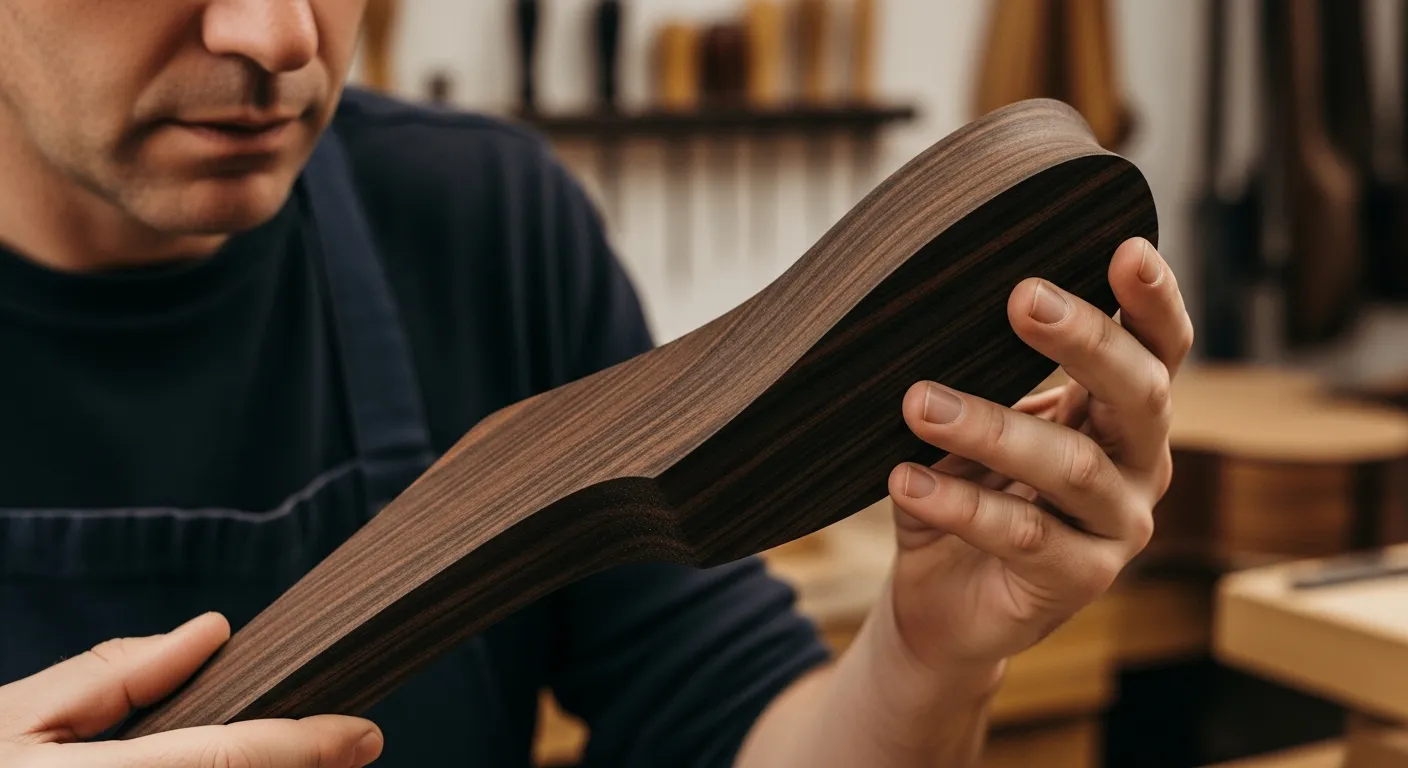
The heartwood of African Blackwood is typically a deep, dark brown or black, often with subtle streaks of lighter brown or purple. The sapwood, which is the outer layer of the tree, is a pale yellow or white and is usually removed during processing.
The grain can be straight, interlocked, or irregular, depending on the growth patterns of the tree. Interlocked grain creates a shimmering effect when the wood is viewed from different angles, adding depth and visual interest.
Some pieces of African Blackwood may also exhibit figure, such as curl or fiddleback, which are caused by variations in the wood’s density and grain direction. These unique grain patterns enhance the beauty and character of the wood, making it a prized material for crafting visually stunning musical instruments.
The density of the wood also plays a role in the visibility of the grain patterns. Denser wood tends to have finer grain patterns, while less dense wood may have more pronounced grain patterns.
The way the wood is cut can also affect the appearance of the grain. Quarter-sawn wood, which is cut perpendicular to the growth rings, typically exhibits a more uniform grain pattern than flat-sawn wood.
The presence of knots and other imperfections can also add character to the wood. While these imperfections may be undesirable in some applications, they can add a unique touch to musical instruments.
Ultimately, the grain patterns of African Blackwood are a testament to the natural beauty and complexity of this remarkable material. Each piece of wood tells a story of its growth and environment, making every instrument crafted from it a unique and cherished work of art.
Alternatives to African Blackwood for Woodwind Instruments
While African Blackwood remains the top choice for many woodwind instruments, several alternatives offer similar properties and tonal characteristics. These alternatives can be more readily available or more sustainable, making them attractive options for some instrument makers.
One popular alternative is Mopane (Colophospermum mopane), another African hardwood with similar density and stability. Mopane produces a warm, resonant tone and is often used in clarinets and oboes as a substitute for African Blackwood.
Another option is Cocobolo (Dalbergia retusa), a Central American hardwood known for its vibrant colors and striking grain patterns. Cocobolo is dense and stable, but it can be more prone to cracking than African Blackwood, so careful seasoning and handling are essential.
For instrument makers seeking a more sustainable alternative, some composite materials offer similar acoustic properties to African Blackwood. These materials can be made from recycled wood fibers or other renewable resources, reducing the environmental impact of instrument making.
Another alternative is Grenadilla (also a Dalbergia species), which shares many of the same properties as African Blackwood. It can be a viable option when sourcing African Blackwood proves difficult.
Some manufacturers are also experimenting with stabilized woods, which are woods that have been treated with resins to improve their stability and durability. These stabilized woods can offer similar performance characteristics to African Blackwood, but they may not have the same tonal qualities.
The choice of alternative material will depend on the specific requirements of the instrument and the preferences of the instrument maker. Factors to consider include the desired tonal qualities, the availability of the material, and the cost.
Ultimately, the goal is to find a material that provides the best possible combination of performance, sustainability, and affordability. This ensures that high-quality woodwind instruments remain accessible to musicians of all levels.
The Impact of Climate on African Blackwood Quality and Availability
Climate change poses a significant threat to the long-term availability and quality of African Blackwood. Changes in temperature and rainfall patterns can affect the growth and health of the trees, leading to reduced timber yields and increased mortality rates.
Droughts, in particular, can have a devastating impact on African Blackwood populations, as the trees are already adapted to dry savanna environments. Increased temperatures can also make the trees more susceptible to pests and diseases, further threatening their survival.
These climate-related challenges underscore the importance of sustainable forest management practices and conservation efforts to protect African Blackwood populations. By promoting responsible harvesting and reforestation, we can help ensure that this valuable resource remains available for future generations of instrument makers and musicians.
Additionally, research into climate-resilient varieties of African Blackwood could help to mitigate the impact of climate change on the species. This proactive approach will be essential to preserving the legacy of African Blackwood in the world of musical instruments.
Changes in rainfall patterns can also affect the density and grain structure of the wood. This can impact the tonal qualities of instruments made from African Blackwood, potentially leading to a decline in quality.
Increased frequency of wildfires, exacerbated by climate change, can also destroy African Blackwood forests. This further reduces the availability of the timber and threatens the livelihoods of communities that depend on it.
Addressing climate change is therefore essential for ensuring the long-term sustainability of African Blackwood. This requires global efforts to reduce greenhouse gas emissions and promote climate-resilient development.
Supporting organizations that are working to mitigate climate change and protect African Blackwood forests is a crucial step that individuals and businesses can take. This will help to ensure that this valuable resource remains available for future generations.
Conclusion
African Blackwood is a truly exceptional timber that has earned its place as the premier choice for crafting high-end woodwind instruments. Its unique combination of density, stability, and acoustic properties makes it ideal for achieving exceptional sound quality and playability.
However, the rarity and slow growth rate of African Blackwood demand responsible sourcing practices to ensure its long-term availability. By supporting sustainable initiatives and exploring alternative materials, we can help protect this precious resource and preserve its legacy in the world of music.