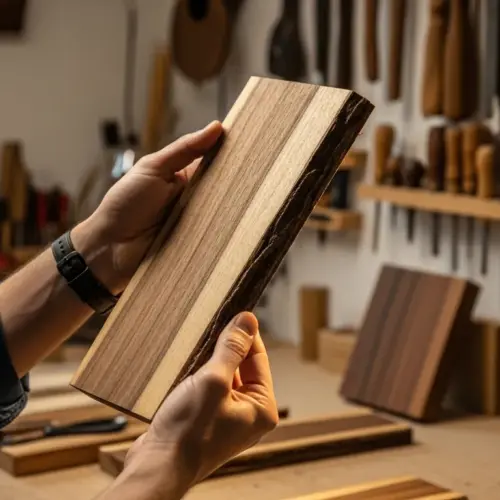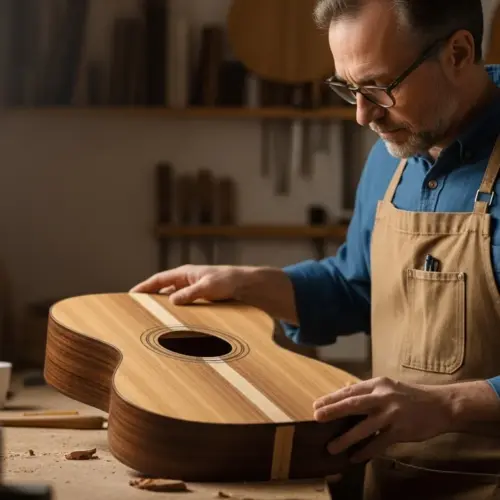

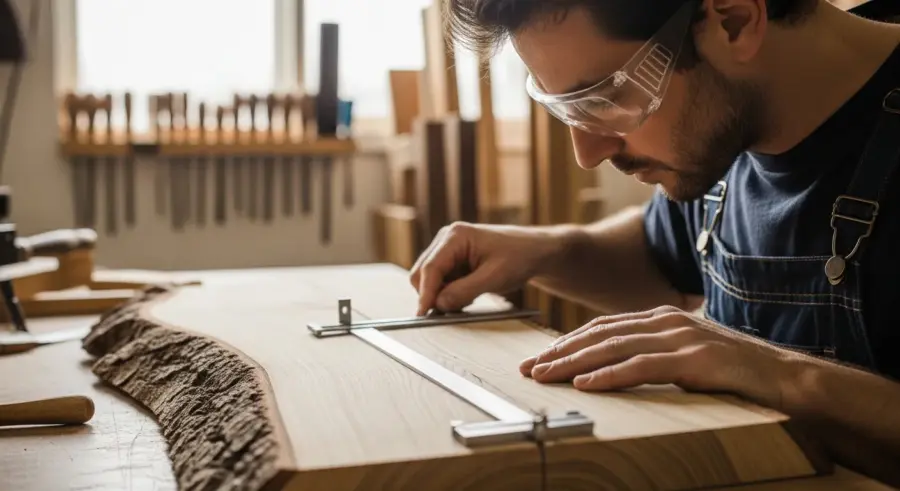
The world of guitar building, or luthierie, is a fascinating blend of art and science. Selecting the right wood, or tonewood, is one of the most critical decisions a luthier makes. This choice profoundly affects the instrument’s sound, playability, and overall character.
While traditional tonewoods like spruce, mahogany, and rosewood are well-known, there’s a growing interest in exploring alternative species. One such wood gaining attention is hickory, a hardwood known for its strength and unique sonic properties. Let’s investigate the potential of hickory tonewood guitar construction.
This article will explore the characteristics of hickory tonewood, its suitability for guitars, and how it compares to more conventional choices. We’ll also discuss its workability, finishing, and the types of guitars where hickory might shine. Ultimately, we’ll consider whether hickory deserves a place in the luthier’s palette.
What Makes Hickory a Suitable Tonewood?
Hickory is renowned for its exceptional strength, density, and hardness, properties that make it a durable material for various applications. These physical attributes also contribute to its potential as a tonewood. But it’s not just about brute strength; it’s about how those properties translate into sound.
The density of hickory affects how sound waves travel through the wood, influencing sustain and projection. Its hardness impacts the instrument’s responsiveness and the clarity of the notes produced. So, let’s examine these hickory wood properties in detail.
First, hickory’s high density means it can efficiently transfer vibrations, potentially leading to a guitar with excellent sustain. The wood’s stiffness also contributes to a focused and articulate sound, reducing muddiness. This can be especially desirable in certain musical styles.
Furthermore, hickory’s hardness provides resistance to wear and tear, ensuring the instrument’s longevity. This is an important consideration for guitarists who play frequently or in demanding environments. A durable instrument is an investment that can last for years.
Hickory’s closed-grain structure also plays a role in its suitability as a tonewood. This characteristic makes it less prone to absorbing moisture, which can affect the instrument’s stability and tone over time. A stable wood is crucial for maintaining consistent sound quality.
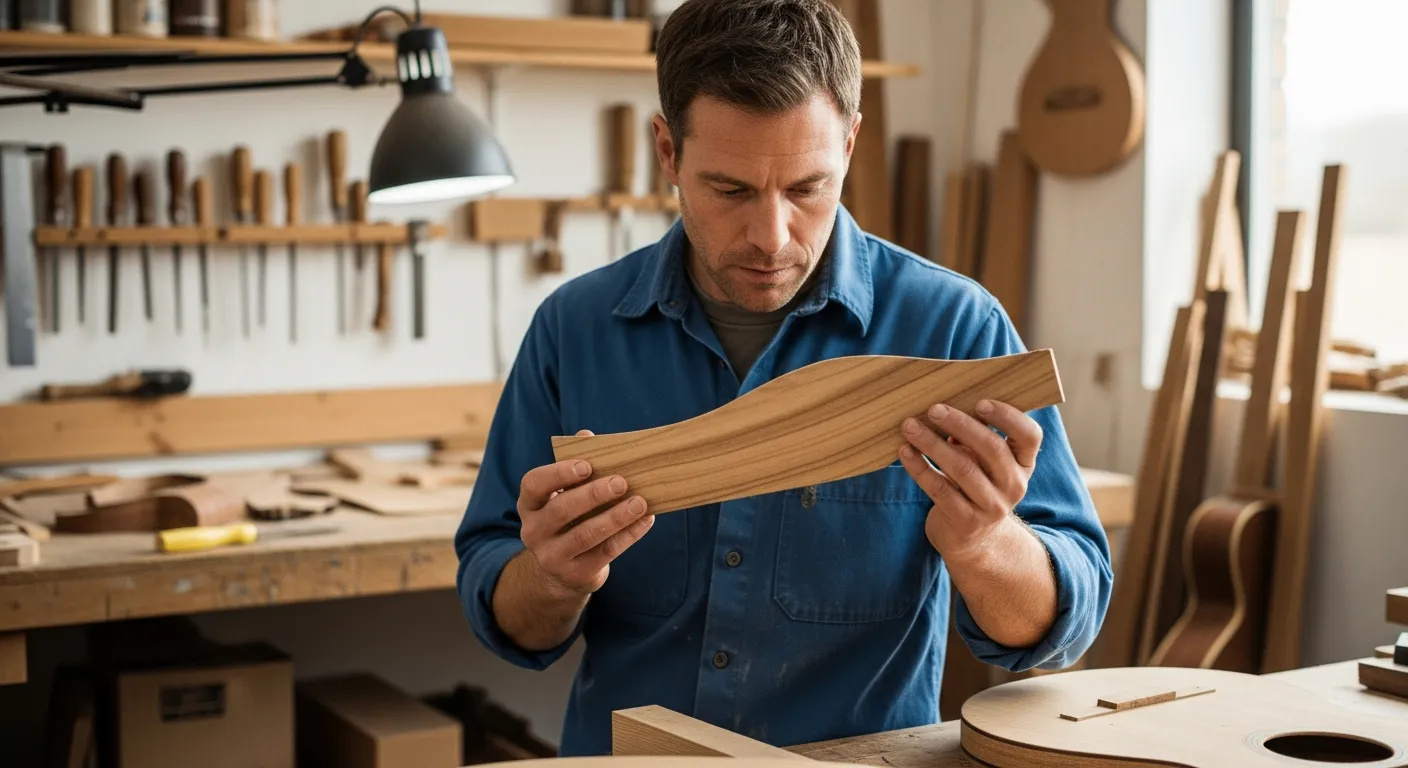
Beyond its physical properties, the aesthetic appeal of hickory can also be a factor. Its grain patterns and color variations can add visual interest to a guitar. This can be particularly appealing to players who value both sound and appearance.
The workability of hickory, while challenging, can also be seen as an advantage. The effort required to shape and mold the wood can result in a more precise and carefully crafted instrument. This can lead to a higher level of quality and attention to detail.
Finally, the availability and sustainability of hickory make it a responsible choice for luthiers. Its widespread presence in North America ensures a consistent supply of wood. This reduces the reliance on exotic or endangered species.
The Sound Profile of Hickory in Guitars
The sonic characteristics of a tonewood are paramount when selecting materials for guitar construction. While the specific sound of a guitar depends on numerous factors, including body shape, bracing, and construction techniques, the wood itself plays a significant role. So what is the hickory guitar sound?
Hickory generally produces a bright, clear tone with a strong fundamental. It’s often described as having a “punchy” character, meaning it delivers a focused and immediate sound. This contrasts with some other tonewoods that offer a more mellow or complex tonal palette.
Guitars made with hickory tend to have a pronounced midrange, which can be beneficial for cutting through a mix. This characteristic makes them suitable for genres where clarity and articulation are essential. Think blues, country, or even some rock styles.
However, it’s worth noting that hickory might not be the best choice for players seeking a warm, lush, or overly resonant sound. Its inherent brightness can sometimes be perceived as lacking in depth or complexity. But that’s a matter of taste and application.
The strong fundamental of hickory can also contribute to a well-defined and articulate bass response. This is particularly noticeable in acoustic guitars, where the bass notes are clear and distinct. This can be advantageous for players who use a lot of bass lines in their music.
The “punchy” character of hickory can also translate into a more percussive sound. This can be appealing to players who enjoy using their guitar for rhythmic accompaniment. The notes tend to have a quick attack and decay, creating a lively and energetic feel.
The clarity of hickory’s tone can also be beneficial for recording. The notes are less likely to get muddy or indistinct in a mix. This can save time and effort in the post-production process.
It’s important to remember that the sound of a hickory guitar will also be influenced by other factors, such as the type of strings used and the player’s technique. Experimentation is key to finding the right combination of elements to achieve the desired sound. Each guitar is unique.
Workability and Finishing of Hickory Tonewood
Beyond its sonic properties, a tonewood’s workability is a crucial consideration for luthiers. The ease with which a wood can be shaped, bent, and joined significantly impacts the building process. Hickory presents both challenges and opportunities in this regard.
Due to its hardness and density, hickory can be more difficult to work with than softer woods like mahogany or cedar. It requires sharp tools and careful techniques to avoid tear-out or splintering. A skilled luthier, however, can overcome these challenges.
| Property | Hickory | Mahogany | Spruce |
|---|---|---|---|
| Hardness | High | Medium | Low |
| Density | High | Medium | Medium |
| Workability | Moderate to Difficult | Easy | Easy to Moderate |
| Typical Sound | Bright, Punchy | Warm, Balanced | Clear, Resonant |
When it comes to finishing, hickory generally accepts stains and finishes well. Its tight grain pattern can create a smooth and attractive surface. This allows for a variety of aesthetic options, from natural finishes that showcase the wood’s grain to more opaque coatings.
The hardness of hickory can make bending it into the desired shapes for guitar sides a challenging task. Luthiers may need to use specialized bending irons or techniques to achieve the necessary curves without cracking or splitting the wood. Patience and experience are essential.
When joining pieces of hickory together, careful attention must be paid to the glue-up process. The density of the wood can make it more difficult for glue to penetrate and bond properly. Proper clamping and drying times are crucial for ensuring a strong and durable joint.
Despite the challenges, the workability of hickory can also be seen as an opportunity for skilled luthiers to showcase their craftsmanship. The effort required to work with this wood can result in a more refined and carefully crafted instrument. The result is worth the effort.
The tight grain pattern of hickory can also make it easier to achieve a smooth and even finish. This is particularly important for instruments with a high-gloss finish. The smooth surface reflects light evenly, creating a visually stunning appearance.
Comparing Hickory to Other Tonewoods
To better understand hickory’s place in the tonewood spectrum, it’s helpful to compare it to more commonly used species. Mahogany, spruce, and rosewood are among the most popular choices for guitar construction. Each offers a distinct set of properties and sonic characteristics.
Mahogany, for example, is known for its warm, balanced tone and relatively easy workability. It’s a popular choice for backs and sides, providing a solid foundation for the guitar’s sound. But it lacks the brightness and punch of hickory.
Spruce, on the other hand, is prized for its clarity, resonance, and projection, making it a common choice for soundboards. It offers a wide dynamic range and responds well to various playing styles. But it’s not as hard or durable as hickory.
Rosewood is often used for backs and sides, contributing a complex overtone structure and enhanced sustain. It’s known for its rich, dark sound and striking appearance. However, it can be more expensive and less sustainable than hickory.
Compared to maple, another dense hardwood, hickory tends to have a warmer and more resonant tone. Maple is often used for electric guitar necks and bodies, providing a bright and articulate sound. Hickory offers a slightly different flavor, with a stronger midrange and a more pronounced fundamental.
Compared to cedar, a softer wood often used for acoustic guitar tops, hickory is significantly brighter and more focused. Cedar provides a warm and mellow tone with a quick response. Hickory offers a more powerful and articulate sound with greater projection.
When compared to koa, a Hawaiian hardwood known for its balanced tone and beautiful grain patterns, hickory offers a similar level of clarity and articulation. However, koa tends to have a slightly warmer and more complex sound. Hickory is often more readily available and less expensive than koa.
Ultimately, the best tonewood for a particular guitar depends on the desired sound and playing style. Each species offers a unique set of properties that can be tailored to meet the needs of the player. Experimentation is key to finding the perfect match.
Hickory Tonewood: Potential Applications in Guitar Making
Given its unique properties, hickory can be used in various parts of a guitar, each influencing the instrument’s tone in different ways. While it might not be a direct substitute for traditional tonewoods in every application, it offers interesting possibilities. Where might hickory tonewood guitar construction shine?
One potential use for hickory is in the back and sides of acoustic guitars. Its stiffness and density can contribute to a focused and articulate sound, complementing a spruce top. This combination could be well-suited for fingerstyle players or those who prefer a bright, clear tone.
Another application is in electric guitar bodies. Hickory’s hardness and density can provide excellent sustain and a punchy attack, making it suitable for rock, blues, and other genres where clarity and power are desired. It could be an interesting alternative to maple or ash.
Hickory might also be used for necks, offering stability and resistance to warping. Its stiffness can contribute to a precise and responsive feel. However, its hardness might require more effort in shaping and fretwork.
In acoustic guitars, hickory could be used for the bridge plate, the small piece of wood glued to the underside of the soundboard that supports the bridge. Its hardness and density can help to transfer vibrations from the strings to the soundboard, enhancing projection and sustain. This is a critical component.
For electric guitars, hickory could be used as a cap on a mahogany body. This combination could provide a blend of warmth and clarity, with the mahogany adding depth and the hickory adding brightness and punch. This offers a versatile tonal palette.
Hickory could also be used for fretboards, although its hardness might make it more challenging to install frets. However, the resulting fretboard would be extremely durable and resistant to wear. This could be a good option for players who are hard on their instruments.
Experimentation is key to discovering the full potential of hickory in guitar making. Luthiers are constantly exploring new ways to use different woods to achieve unique and inspiring sounds. The possibilities are endless.
Common Uses of Hickory in Guitar Construction
While not as prevalent as other tonewoods, hickory has found its way into specific areas of guitar construction. Luthiers are constantly experimenting with different materials to achieve unique tonal qualities. Here are some common uses of hickory in guitar construction.
Hickory is sometimes used for acoustic guitar bracing. Its stiffness can help shape the soundboard’s response and enhance projection. It’s also occasionally used for necks, providing a rigid and stable platform for the fretboard.
- Acoustic guitar bracing
- Electric guitar bodies
- Neck construction
- Laminate tops
- Decorative accents
Beyond structural components, hickory can be used for decorative elements like headstock veneers or binding. Its unique grain patterns can add visual interest to the instrument. This allows for a blend of aesthetics and functionality.
Some luthiers have experimented with using hickory for laminate tops on acoustic guitars. This can provide a durable and visually appealing alternative to solid wood tops. Laminate tops are often more resistant to cracking and warping than solid wood tops.
Hickory can also be used for internal components like kerfing, the strips of wood that are glued to the inside of the guitar sides to provide a larger gluing surface for the top and back. Its stiffness can help to strengthen the guitar’s structure. This enhances overall durability.
In electric guitars, hickory can be used for the control cavity cover. Its hardness and durability can protect the electronics from damage. It also provides a secure and reliable closure for the cavity.
Hickory’s unique grain patterns and color variations can also be used to create visually striking inlays and purfling. These decorative elements can add a touch of elegance and sophistication to the instrument. The possibilities for customization are vast.
Sourcing and Grading Hickory Tonewood
Like any tonewood, the quality of hickory significantly impacts its suitability for guitar construction. Selecting the right piece of wood is crucial for achieving the desired sonic and structural properties. So let’s look at sourcing and grading hickory tonewood.
Hickory is a relatively abundant species in North America, making it a more sustainable and affordable option compared to some exotic tonewoods. It’s important to source hickory from reputable suppliers who practice responsible forestry. This ensures the long-term health of the forests and the availability of quality tonewood.
When grading hickory for tonewood, luthiers look for specific characteristics. These include straight grain, consistent density, and freedom from knots or defects. Quarter-sawn wood is generally preferred, as it offers greater stability and resistance to warping.
The moisture content of the wood is also critical. Tonewood should be properly seasoned or kiln-dried to ensure stability and prevent cracking. This is a crucial step in preparing hickory for use in guitar construction.
When sourcing hickory, it’s important to consider the specific species of hickory. There are several different species, each with slightly different properties. Some species are denser and harder than others. The choice depends on the desired tonal characteristics.
Luthiers also look for wood that has been properly dried and stored. This helps to prevent warping and cracking. Improperly dried wood can be unusable for guitar construction. Careful attention to detail is essential.
The presence of mineral streaks or other imperfections can also affect the value and suitability of hickory tonewood. While some imperfections may be purely cosmetic, others can weaken the wood and affect its tonal properties. A skilled luthier can assess these factors.
Ultimately, sourcing and grading hickory tonewood is a complex process that requires knowledge and experience. Working with reputable suppliers and carefully inspecting each piece of wood is essential for ensuring the quality and suitability of the material. The effort pays off in the final product.
The Future of Hickory in Luthierie
As luthiers continue to explore alternative tonewoods, hickory has the potential to gain wider acceptance. Its unique combination of strength, density, and sonic properties offers a distinct voice for guitars. Experimentation and innovation will drive its future in luthierie.
Sustainability concerns are also playing a role in the search for new tonewoods. Hickory’s relative abundance and sustainable sourcing make it an attractive option for environmentally conscious builders. This aligns with a growing trend in the industry.
Ultimately, the success of hickory as a tonewood will depend on its ability to deliver exceptional sound and playability. As more luthiers and players experiment with hickory guitars, its potential will become clearer. The future may hold surprising developments.
Whether hickory becomes a mainstream tonewood or remains a niche choice, it undoubtedly offers a unique and valuable option for guitar builders. Its distinctive sound and sustainable sourcing make it a worthy contender in the world of luthierie. The exploration continues.
The increasing demand for sustainable and ethically sourced materials is likely to drive further interest in hickory. As traditional tonewoods become scarcer and more expensive, luthiers will be forced to look for alternatives. Hickory is well-positioned to benefit from this trend.
Advances in guitar building techniques and technology may also help to overcome some of the challenges associated with working with hickory. New tools and methods could make it easier to shape, bend, and join this dense hardwood. This could expand its applications in guitar construction.
The growing popularity of boutique guitars and custom instruments is also creating opportunities for luthiers to experiment with unconventional tonewoods. Players are increasingly seeking out unique and distinctive instruments that reflect their individual style and preferences. Hickory can help to meet this demand.
Ultimately, the future of hickory in luthierie will depend on the creativity and innovation of guitar builders. By exploring its unique properties and developing new ways to use it, luthiers can unlock its full potential and create instruments that are both beautiful and sonically inspiring. The journey is just beginning.
Conclusion
Hickory tonewood guitar construction presents an intriguing alternative to traditional materials. Its strength, density, and bright tonal characteristics offer a unique sonic palette for guitar builders. While it may not be suitable for every style of music or player, hickory has the potential to shine in specific applications.
Its workability can be challenging, requiring skilled luthiers to coax the best out of the wood. However, the resulting instrument can be both durable and sonically rewarding. As the search for sustainable and alternative tonewoods continues, hickory deserves consideration.
Ultimately, the choice of tonewood is a personal one, depending on the desired sound, playability, and aesthetic. Hickory offers a distinctive voice that may resonate with certain players and inspire luthiers to create unique and compelling instruments. Its story is still unfolding.
So, the next time you’re exploring guitar options, consider giving a hickory instrument a try. You might just discover a new favorite tonewood that speaks to your musical soul. The possibilities are endless.
The exploration of alternative tonewoods like hickory is a testament to the ingenuity and creativity of luthiers. Their willingness to experiment and challenge conventional wisdom is what drives innovation in the world of guitar building. The future is bright.
As guitar players, we can support this exploration by seeking out instruments made from sustainable and alternative materials. By embracing new tonewoods like hickory, we can help to ensure the long-term health of our forests and the continued evolution of the guitar. Our choices matter.
The sound of a guitar is a complex and multifaceted thing, influenced by a multitude of factors. The tonewood is just one piece of the puzzle, but it’s a crucial one. By understanding the properties of different tonewoods, we can make more informed choices about the instruments we play. Knowledge is power.
So, let’s continue to explore the world of tonewoods and celebrate the diversity of sounds that they offer. The journey of discovery is never-ending. The music awaits.